



Arts
Television


Henry Louis Gates Jr. Explores ‘Black and Jewish America’
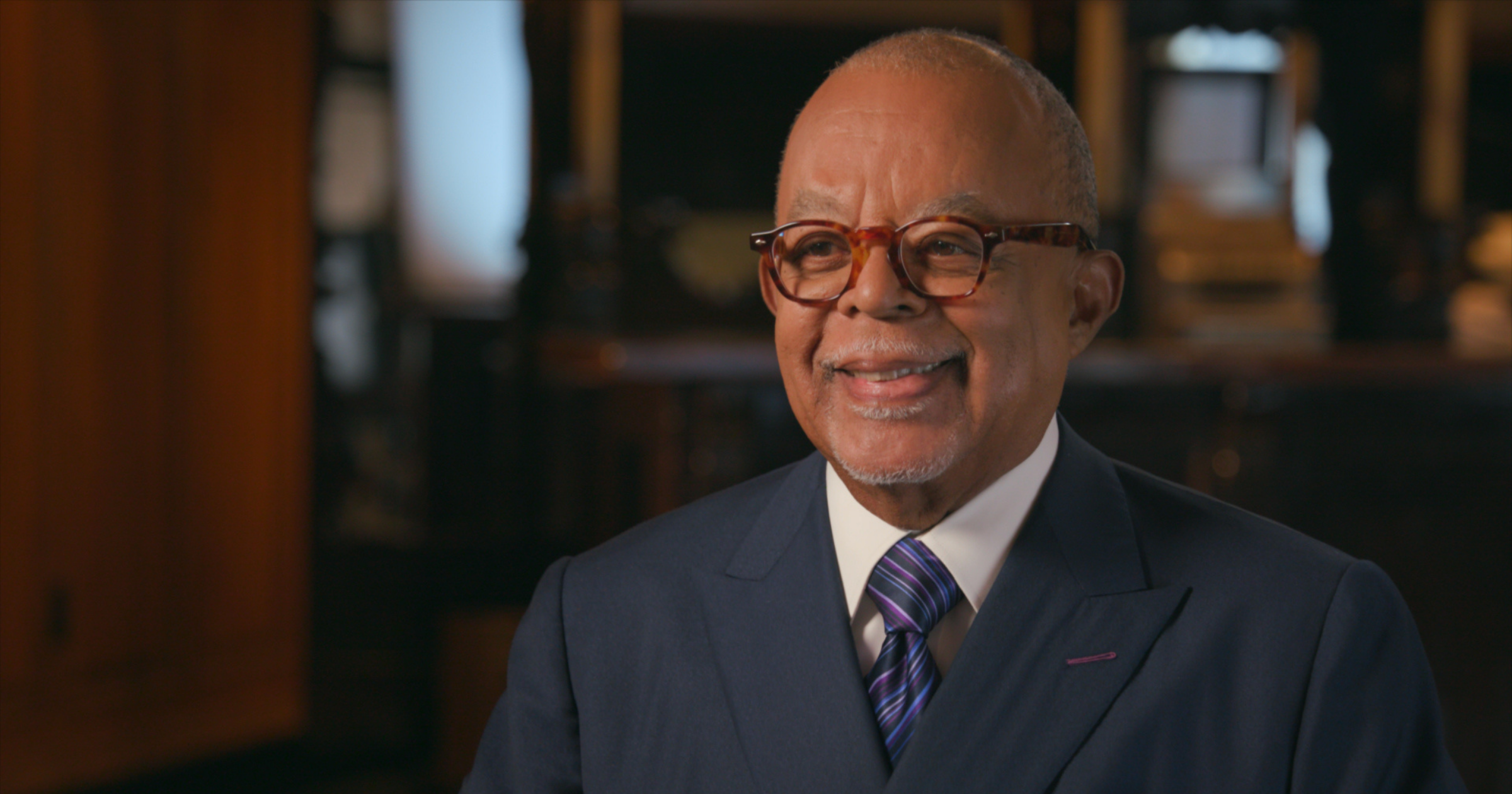
Henry Louis Gates Jr. is one of America’s most prominent public intellectuals. The Harvard professor is perhaps best known as the creator and host of Finding Your Roots on PBS, but his latest series, Black and Jewish America: An Interwoven History, focuses on the connections and relations of the two historic allies.
In the four-part series, which premieres on PBS in February, Gates, 75, speaks with dozens of scholars, activists, religious leaders, writers and more about the kinship between the two groups.
“This series is not only about the past,” said Gates, who talked to Hadassah Magazine from his home in Cambridge, Mass. “It is about us—and how, together, we can prevail over the forces of hatred that seek to divide us.” This interview has been edited for brevity and clarity.
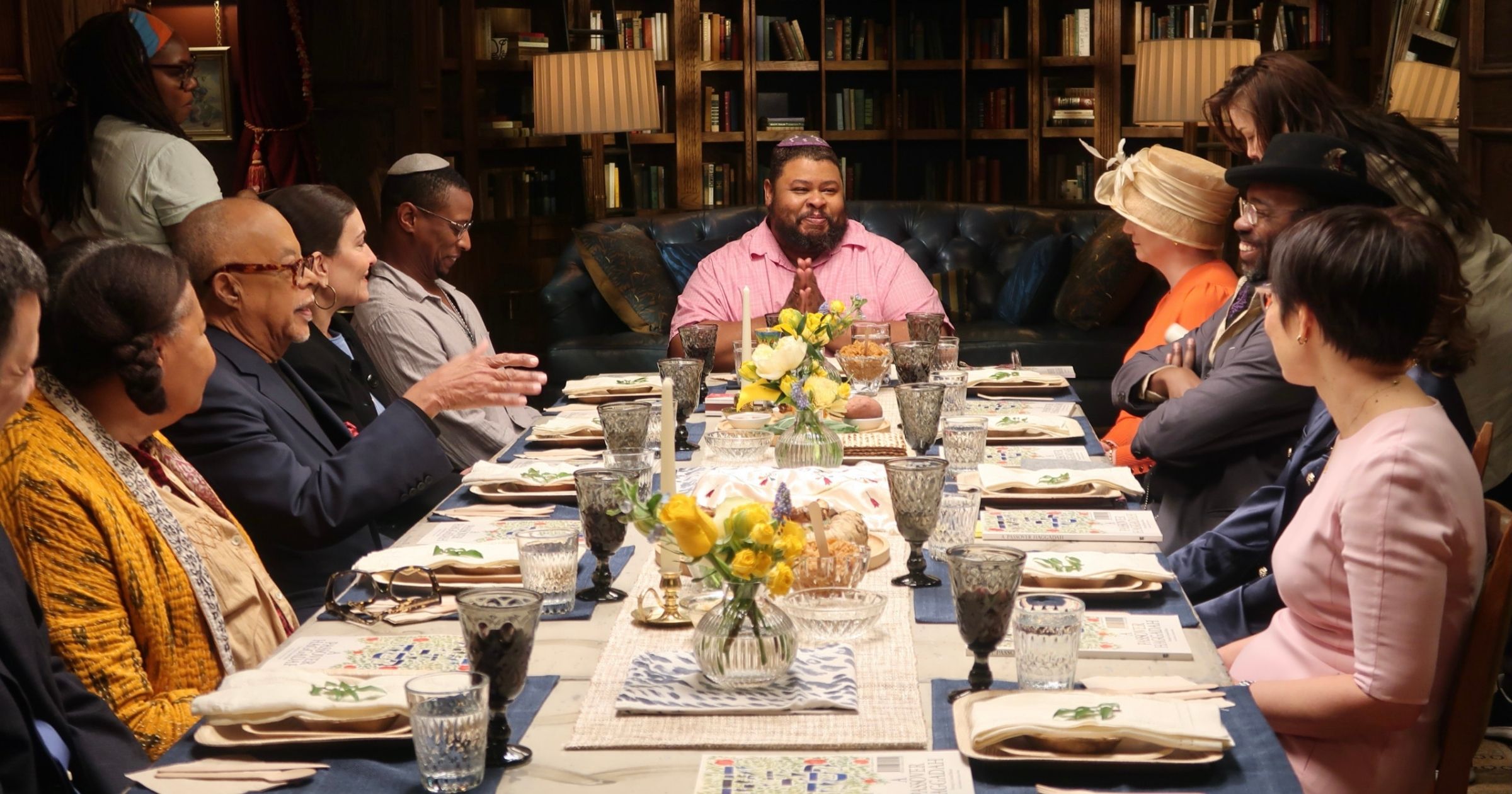
Many guests on Finding Your Roots have been Jewish. What have you learned about Jews in the process, and what parallels are there with the Black experience?
Someone told me that about 30 percent of our guests are Jewish. I’ve never counted, but that’s probably right. With European Jews, for every member of the family who came to the United States, there was always somebody who didn’t. And that somebody, overwhelmingly, was killed by the Nazis. On the show, we are able to put a face and a name on my Jewish guests’ relatives who perished and about whom they knew nothing. We
are the best in the business doing Ashkenazi Jewish genealogy. Ditto for African Americans. When you’re doing African American genealogy, unless a person’s family was freed early, it’s very difficult to get back to the 18th century due to the lack of records.
Why did you decide to do a series on Blacks and Jews now?
The story starts in 1960, when I was 10, living in our overwhelmingly white tri-towns of Piedmont, W.V., and Westernport and Luke, Md. There were 300 Black people and one Jewish family, the Mamolens. Mrs. Mamolen invited Mrs. Gates to brunch at her house, which was the only time my mother was ever invited into a white person’s house. I remember her talking about how good this person was, and that the reason she wasn’t racist was because she was a Jew, and that Jewish people had been good to our people. I’ll never forget that. Her son, Mark, was my first Jewish friend.
But the tipping point for me was Charlottesville in 2017. Because right there, you could see it—they hated Blacks, they hated Jews—and that Blacks and Jews were under attack. We need each other to fight our common enemy: white supremacy, white nationalism.
Do you have a favorite story about the role of Jewish women in Black-Jewish relations?
Esther Brown is my hero, and my favorite anecdote in this whole series. She was a middle-class housewife in Kansas, the daughter of Jewish immigrants. One day in 1948, her Black maid told her the school district was building a new school for white kids, while the segregated Black school was in shambles.
Esther became enraged. She met with Black families and organized them to bring a lawsuit, And they won their case. It was called Webb v. School District 90 in the Kansas Supreme Court, in 1949, and as a result, all the schools in their town were integrated.
At the same time, she and the Black parents organized a chapter of the NAACP. They wrote to Thurgood Marshall—the future Supreme Court justice was then the leading civil rights lawyer for the NAACP—over and over until he sent a lawyer to take up their case on the limitations of segregation, recruiting plaintiffs, including Oliver Brown, after whom the famous Supreme Court decision, Brown v. the Board of Education, was named.
And that was the end of separate but equal—all because of Esther Brown in partnership with Black people. One of the takeaways of the series is that many of the best moments in the history of our two peoples have been under the radar, with regular people who believe something is wrong and do something about it.
Avi Dresner, who lives in the Berkshires with his family, is a journalist, documentarian and screenwriter. He was interviewed for the series Black and Jewish America; his father, Rabbi Israel Dresner, was one of the key Jewish figures in the Civil Rights movement.
 Facebook
 Instagram
 Twitter
Joanne Baum says
Perhaps there can be some joint viewings between the NAACP and Jewish and African Black congregations set up. I’m going to contact my local naacp.
Bruce Edwards says
Will be a series that I watch. I’m sure for PBS this works well because donations to their corporation evolves from viewers. Smart marketing move and at this time of black Jewish discord something that might help a bit. Hopefully in addition to senior Jewish viewers there will be some young people tune in.
Lou Siegel says
Looking forward to the show.
Thought this might be of interest.
https://www.facebook.com/share/p/1HMKWNAdk9/
vICTORIA rASHBAUM says
THANK YOU THANK YOU. FOR WRITING THIS AND PUBLISHING THIS…SO TRUE. MAKES SENSE TO ME…
VICTORIA rASHBAUM says
THIS ALWAYS RANG TRUE FOR ME…LEARNED FROM MY PARENTS TO REACH OUT AND HELP OTHERS. IT WAS MY HONOR TO MEET DR KING AND JAMES FORMAN IN ALABAMA WHEN MANY OF US MARCHED, SLEPT ON CHURCH FLOORS AND HELPED ONE ANOTHER IN 1965. AND WORKED ON VOTER REGISTRATION IN SCARY TIMES.
Rachel Wahba says
Its upside down however in progressive POC orgs and communities rife with antisemirism — for me a total heartbreak to witness the callous antiIsrael post Oct 7 response— the antisemitism is heavy in the Black and POC feminist community who mistakenly think Arabs are the Blacks of the Jim Crow South — We JEWS were DHIMMIS in Arab lands and 800,000 of us were cruelly ethnically cleansed from our ancient Jewish communities in the 1950s- most of us came as pauperized refugees to Israel.
Pat Loeb says
Lots of interesting stuff, but so focused on Ashkenazi heritage and ignoring Sephardim and, as well, the huge difference between the stereotypical version of NY Jews versus those of us who were raised everywhere else.
And another classic example of white folks saying Jews are not white, but everyone not white saying we are. Can’t have it both ways. I have never considered myself white, reinforced by life experience — and being told that — for the past 70 years.