



Israeli Scene


Fearing a Forever War in Israel
At what point do you determine that what you thought was a temporary deviation from normal life is actually the new normal?
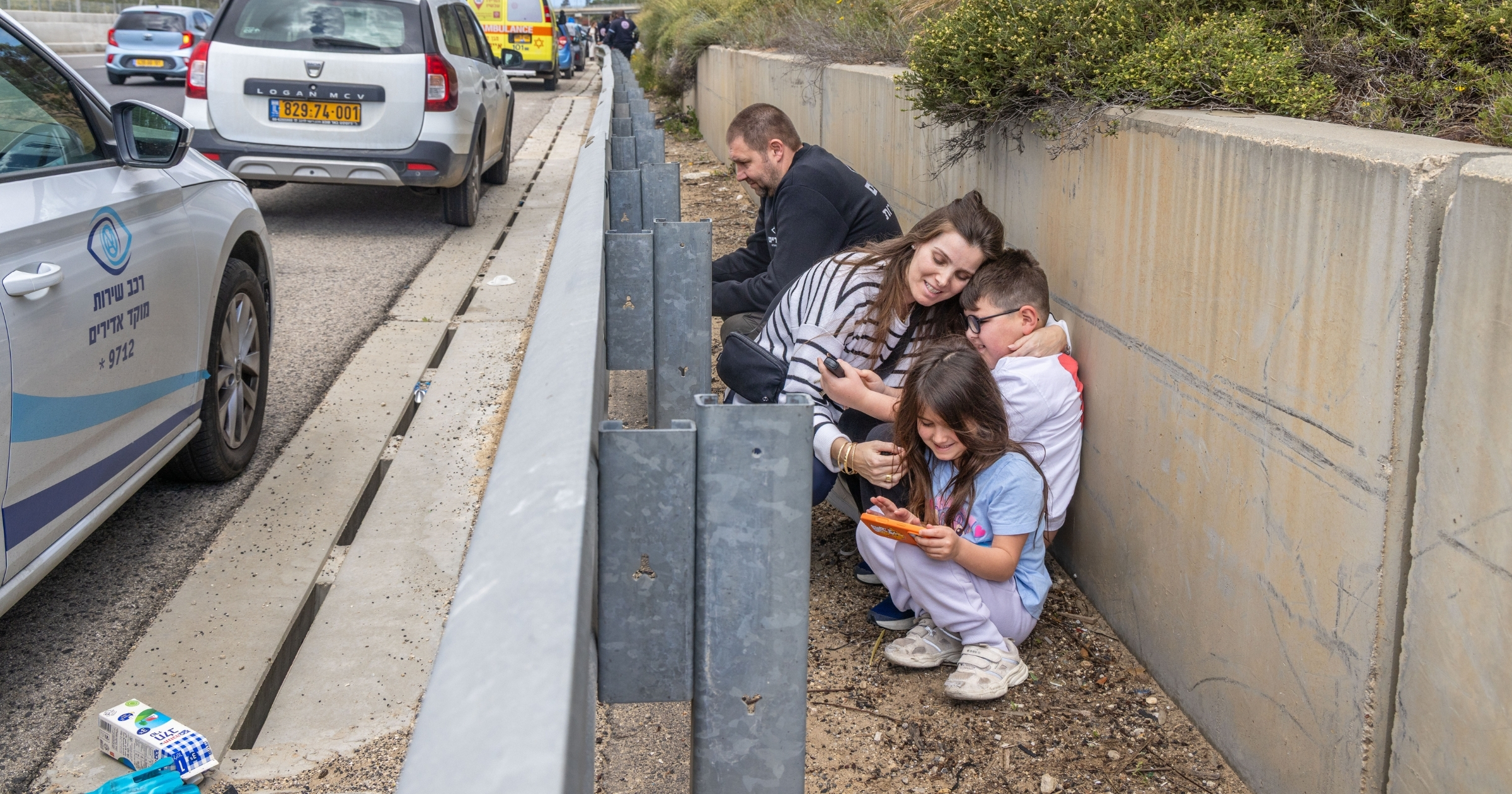
This was the question I gradually realized I was grappling with over the course of the latest war with Iran, during which my family spent a combined total of over 34 hours in bomb shelters (according to siren trackers available online).
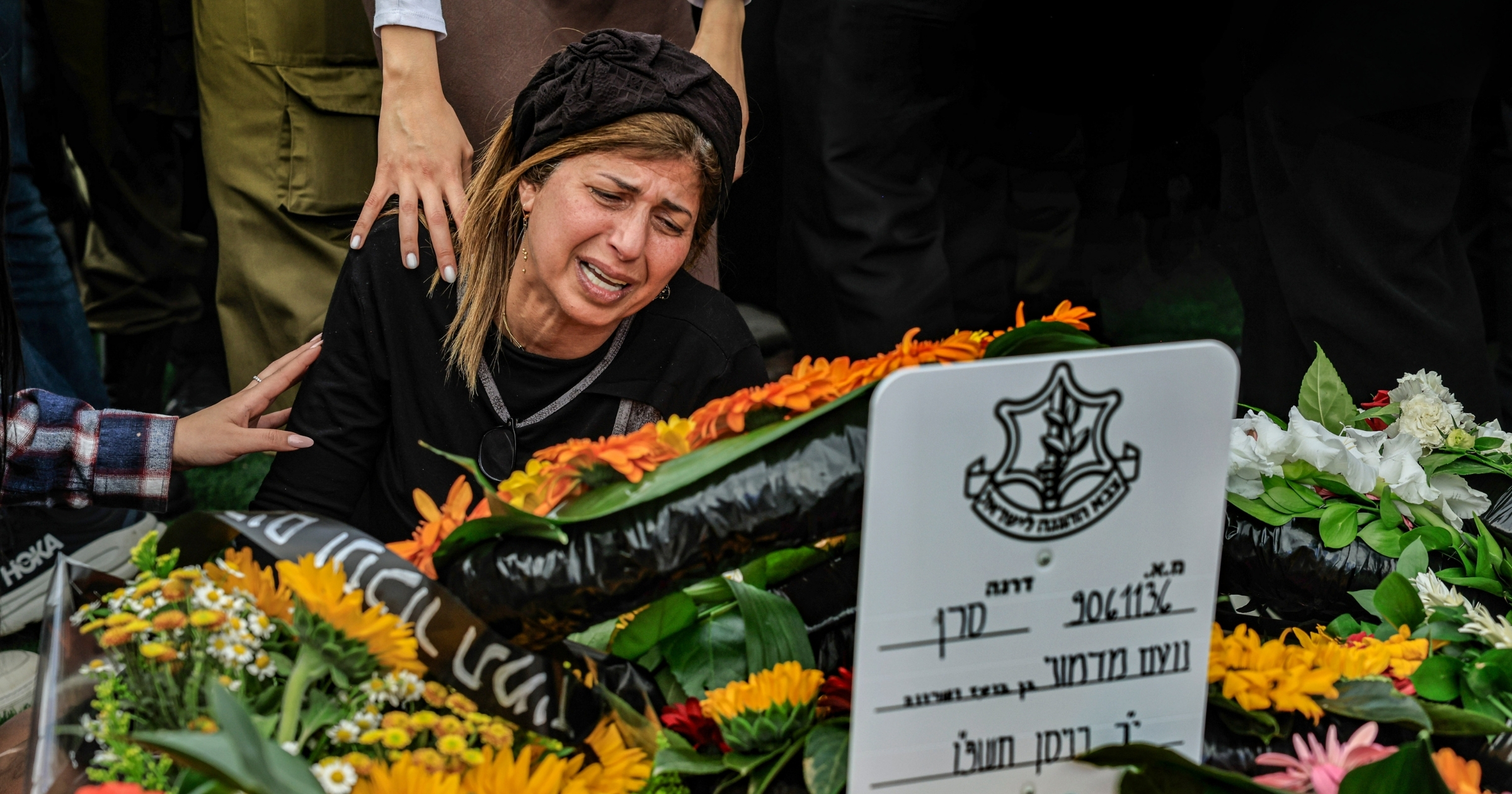
It has been a disruptive two and a half years in Israel since October 7, 2023: wars on multiple fronts, funerals, displacement, reservists called away from their families for months on end. Even families without anyone in uniform still had to contend with the psychological traumas of war, school interruptions for children and the feeling of being trapped with nowhere to go.
During the latest bout with Iran, it wasn’t just difficult traveling in and out of Israel. It was hard to go for a walk, visit a friend or shop for groceries because of the frequency and unpredictability of missile attacks.
The overwhelming majority of Israelis supported Israel’s war with Iran, and after a ceasefire was announced on the last day of Passover, the Israeli government said it had logged significant gains in Iran.
Despite Israelis’ remarkable resilience, the Israeli home front took a beating. Enemy missiles that found their way through Israel’s air defenses destroyed entire blocks, injured civilians and killed at least 22. Another seven people reportedly died en route to bomb shelters or from medical conditions related to the war. The difficulty of defending against Iran’s cluster munitions left Israelis with a sense that they were vulnerable anywhere outside a bomb shelter.
Meanwhile, the Iranian regime doesn’t appear to be near collapse or surrender, and Hezbollah showed it still could inflict significant damage. Its fire from Lebanon once again turned northern Israel into a no-go zone, and at least a dozen Israeli soldiers have been killed fighting Hezbollah in a conflict that may yet turn into a full-scale war.
My working assumption until recently had been that living in a state of near-constant war was a temporary digression from normal life. Soon, I figured, the fighting would halt, and we’d no longer hear the constant rumble of fighter jets in the sky, feel our windows shake from the booms of Israel’s anti-missile systems or be jarred awake at 3 a.m. by screaming alerts on our phones that a missile attack was incoming.
But what if the two decades of relative quiet most of Israel had experienced before October 7 was the exception rather than the deviation? What if intermittent, all-consuming wars with ever-shorter interludes of quiet is the future of life in Israel?
It’s not far-fetched to imagine a scenario in which Israel finds itself in an additional round of fighting with Iran in another year or two. When Israel ended its 12-day war against Iran in June 2025, Israeli Prime Minister Benjamin Netanyahu hailed it as a “victory for generations.” The quiet didn’t even last nine months.
If the regime in Tehran survives, the Islamic Republic surely will work on reconstituting its offensive capabilities, and then Israel likely will have to undertake another round of bombing to keep the Iranian threat at bay. This is what Israelis call “mowing the grass.”
The Israel Defense Forces did it in Gaza every couple of years for the decade and a half before October 7—when Israelis awoke to discover that this approach hadn’t been effective enough. Now Israel is mowing the grass in a more aggressive form, including in Lebanon, where Hezbollah persists as a potent fighting force.
Perhaps this is Israel’s destiny for the foreseeable future: We will live inside a forever war marked mostly by relative quiet in much of the country, but a steady trickle of body bags will come home from the hostile territories where Israeli troops are stationed, like Lebanon and Gaza. The threat of attack along Israel’s northern border will deter all but the most hard core from living there. When, every so often, the fighting flares up nationwide, as during the Iran wars, Israelis across the country will have to shelter in place and the country will go into lockdown.
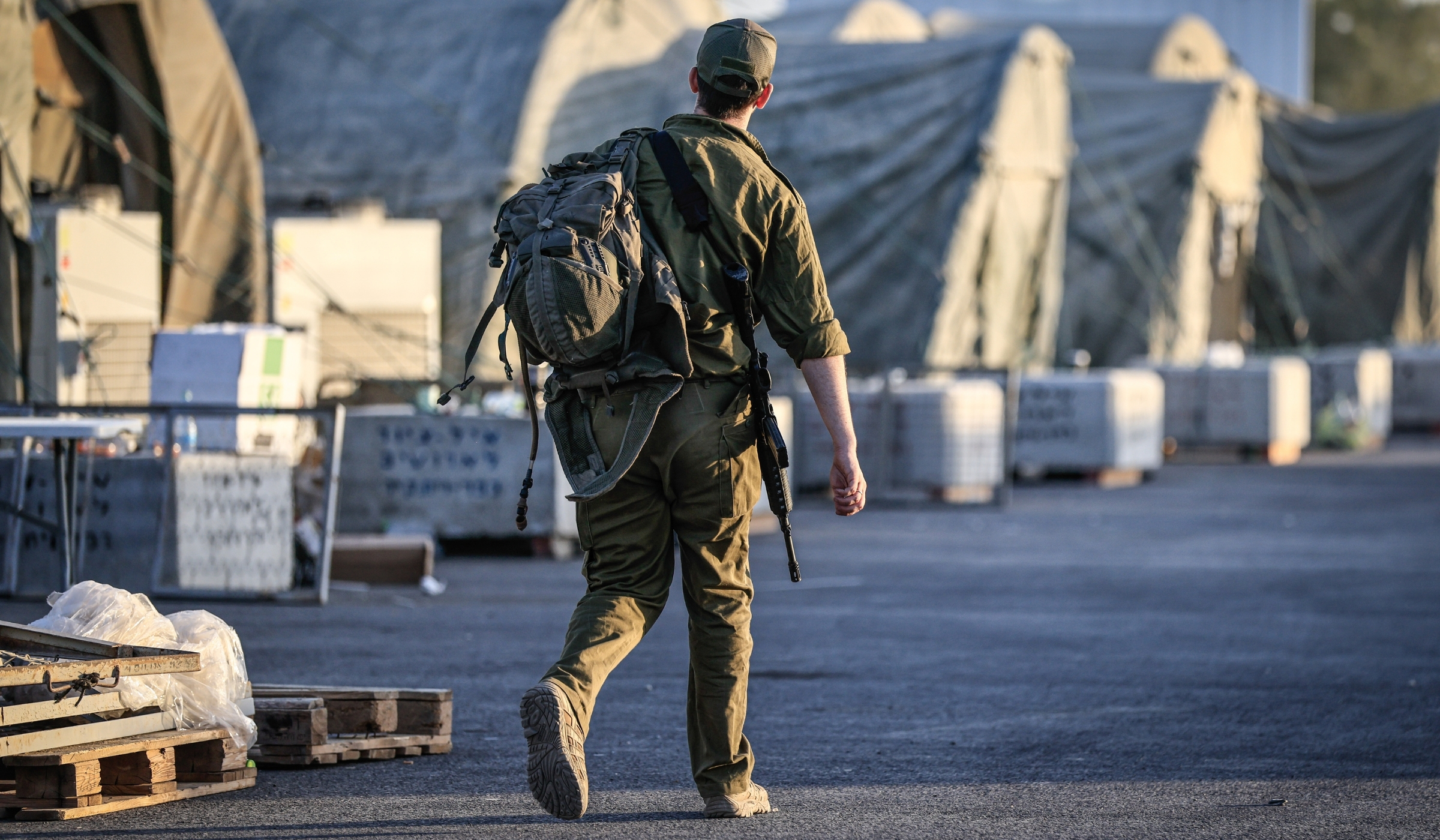
In this forever war scenario, the military will supersede everything, even more than it does today. It will summon 40-year-olds to ever-longer stints of reserve duty, as it has done recently; put 19-year-olds in harm’s way; eat away at budgets for education, health and social welfare; and take an even bigger bite out of Israelis’ paychecks. If the politics of the moment are any indication, Israel’s ultra-Orthodox will continue to escape the burden of service, increasing the onus on everyone else.
Israelis doubtless will prove resilient, again. But as the traumas pile up, the country’s mental health crisis will grow more severe.
One day a few months into the post-October 7 war with Hamas, after Israelis had adopted the ritual for soldiers’ funeral processions of lining the streets bearing flags to pay their respects, I found myself standing next to an older woman on a drizzly morning as we awaited the procession for a young soldier from the city of Modiin who had been killed the day before.
During each of the many Israeli wars she’d lived through, she told me, a certain fog of gloom set in that made it very difficult to be hopeful or sanguine. But then the fighting would end, and the joy and promise that had seemed impossible just a short while earlier would reappear and Israelis would pick themselves up again.
In this, Israel’s longest-ever stretch of near-continuous war, I often think about that and hope it’s true. I seek reasons for optimism.
Israel has shown itself to be a major military power, fighting together with the vaunted American military as an equal partner against Iran. On the home front, the success of Israel’s multilayered missile defense system presents a stark contrast with the defenseless state in which Israel’s enemies left their own civilian populations.
War-weary Lebanese, fed up with Hezbollah dragging the country into destructive wars with Israel, are putting unprecedented pressure on the Shiite group. Syria has kept out of the fighting, and there’s a real chance that Damascus and Jerusalem could reach some kind of historic peace in the coming years.
Iran’s attacks on its neighbors in the Persian Gulf have driven those countries to closer alignment with Israel, raising hopes that one day soon Saudi Arabia and Israel might establish diplomatic ties.
Despite two and a half years of fighting, Israel’s economy remains strong and its people are unbowed. Now the question is where Israel goes from here. This is an election year, giving voters their say in determining the future course of the country.
Will the election deepen our hope or despair? After two and a half years of war, I’m ready for some good news.
Uriel Heilman is a journalist living in Israel.
 Facebook
 Instagram
 Twitter

Leave a Reply