



Health + Medicine


Stories From Hadassah’s Underground Hospitals
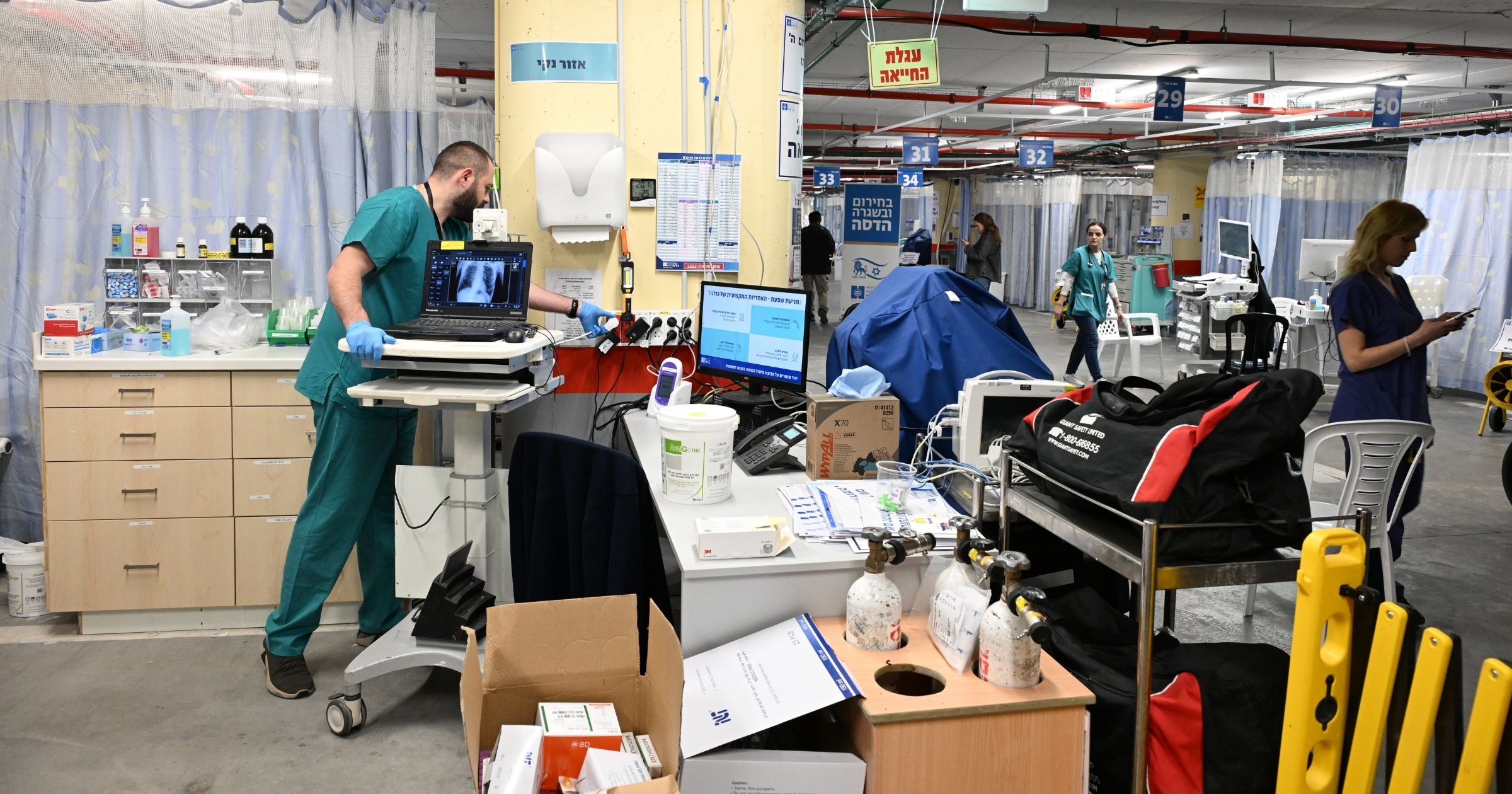
Among the 40 patients who were staying in the newest underground hospital location at Hadassah Hospital Ein Kerem was a man with long hair and a dark, unkempt beard. His severe respiratory infection had been treated, but he could not be discharged. Like many of the patients in this temporary internal medicine department, created five days after the war with Iran began in late February, the patient had no safe room or shelter. In fact, he had no home at all. This middle-aged homeless man usually made up a bed on a street corner in downtown Jerusalem.
Social worker Sophia Ben Kisus said they had worked with his family to find a safe place for him, noting that no one left the hospital until the staff knew they were protected from Iranian missiles.
Ben Kisus herself has two small children at home in her Jerusalem apartment and, like many staff at Hadassah, faced additional challenges getting to work. With schools and day care centers closed during the war, she and her husband took turns staying home to care for their children.
From the start of the Israel-United States joint operation against Iran, the Hadassah Medical Organization has provided a safe space, room or shelter for every patient and staff member while contending with a surge in emergency and urgent care. HMO utilized not only the fortified underground hospitals and secured facilities, some of them first used during the 12-day war with Iran last June, it also prepared additional temporary safe spaces and hospital wards throughout both the Ein Kerem and Mount Scopus campuses. This precaution proved far-sighted as this new war lasted longer than the previous conflict, and Jerusalem was a more frequent target.
The mammoth task of rearranging hospital departments at both campuses was carried out even as staff numbers shrank, with many called up for reserve military service. At the same time, both routine care and long-term research projects largely continued. Cancer patients received chemotherapy; children were treated for measles; and nonagenarians were cared for after being injured while running to shelters.
And while all this was happening, missiles were falling on Jerusalem.
“We do the best for our patients despite the difficulties and draw strength from our families and our commitment to our team and the hospital,” said Dr. Smadar Even Tov-Friedman, head of the Neonatal Intensive Care Department (NICU), who supervised the transfer of the tiniest patients, some weighing just one pound, to temporary safe wards.
The temporary internal medicine department, set up on one level of the underground parking garage of the Minrav biotechnology building on the Ein Kerem campus, was among 11 new emergency spaces opened for patients unable to walk alone to reinforced safe rooms.
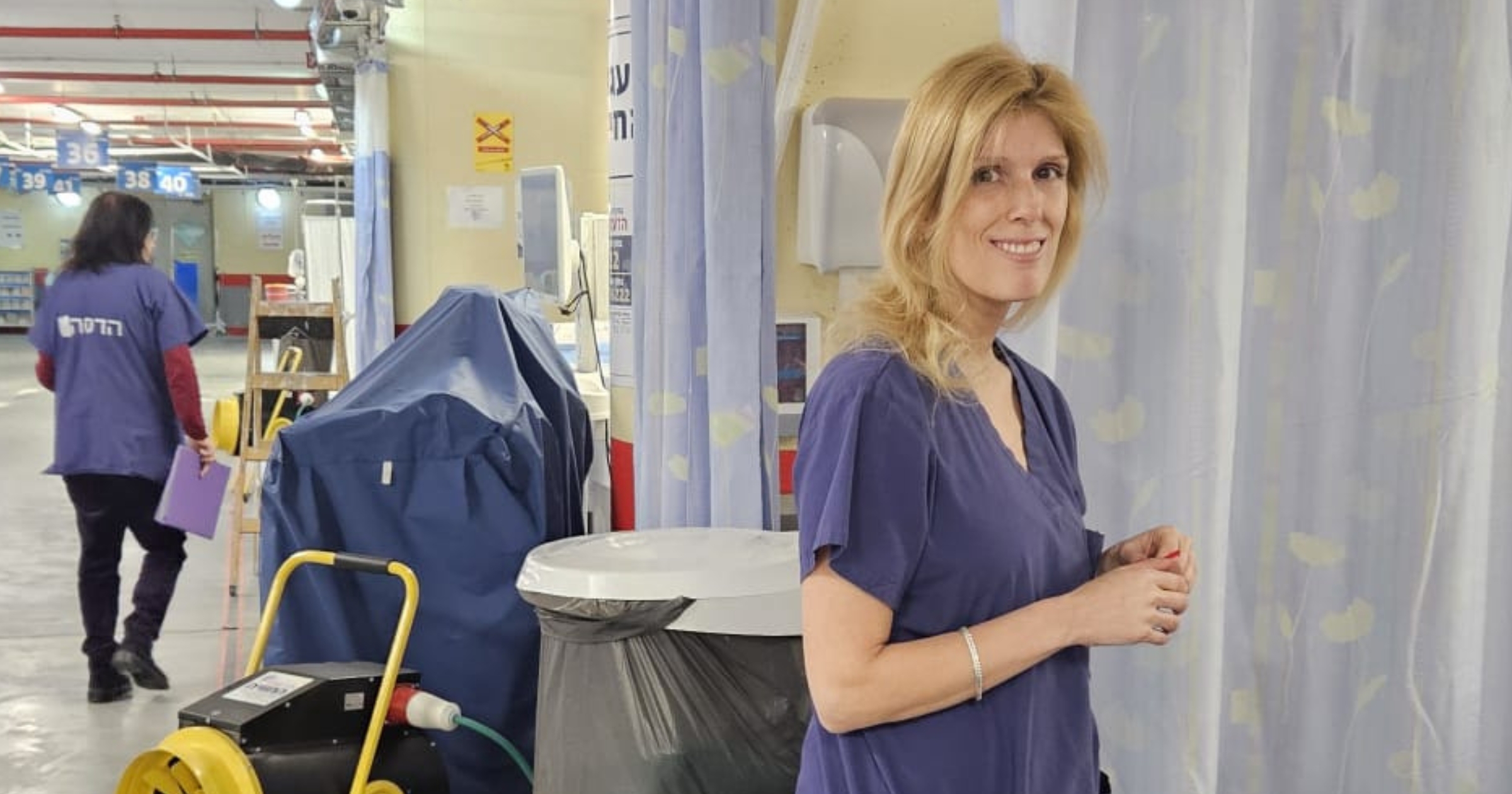
The department is headed by nurse Sheron Steinitz, whose usual job is head nurse in the vascular department. “It’s a challenge working in a parking garage, but our team is up for the challenge,” she said.
Planning had begun about a month and a half before the war with Iran started, said Dr. Yaniv Sherer, the director of Hadassah Ein Kerem who oversaw preparations there, including identifying and readying protected spaces around the campus. “We didn’t know if or when a war would start,” he recalled, “but we had to think ahead about how to keep our patients and staff safe. We looked at all our assets that could be utilized, whether a room in the nursing school, the lowest floor in the Sharett Institute of Oncology or a parking garage.”
Some of that infrastructure was already in place at Hadassah Ein Kerem. This included the fully reinforced, rocket-resistant walls of the almost completed Judy and Sydney Swartz Center for Emergency Medicine; the four floors of the underground surgical complex at the Sarah Wetsman Davidson Hospital Tower; and the safe rooms in the newly renovated Round Building as well as in other newer buildings. The first step once the war started, explained Dr. Sherer, was to discharge patients who could safely continue supervised healing at home.
Antisemitism in Health Care: Analyzing the Symptoms and Possible Treatments
A special joint podcast from Hadassah on Call and Hadassah Magazine Presents will address one of the most alarming upticks in antisemitism today—the rise of Jew hatred in the world of medicine. From doctors and nurses to students and mental health professionals, antisemitism is affecting all corners of health care. How do Jewish medical professionals navigate these difficult times and how can we as patients protect ourselves?
Join Hadassah Magazine Executive Editor Lisa Hostein in a live conversation with a panel on the front lines of these issues. We’ll hear from Michelle Stravitz, former CEO of the American Jewish Medical Association, founded in 2023 as a result of increased antisemitism in the aftermath of the Hamas attacks of October 7, 2023; and Dr. Michelle Elisburg, a Louisville pediatrician and co-chair of Hadassah’s Physicians’ Council who has written about her firsthand experiences of anti-Israel bias on the job; and a doctor from the Hadassah Medical Organization. The in-person event will take place on Tuesday, June 9, in Bloomfield Hills, Mich.; for those in the area, register here to attend. For everyone else, a podcast recording of the discussion after the event will be available from Hadassah Magazine Presents and Hadassah on Call on Apple, Spotify or wherever you listen to podcasts.
The remaining patients were then shifted from older parts of the campus to those with safe rooms. Additional protected areas were especially needed for bedridden patients unable to reach a designated shelter when rocket sirens sounded.
“It’s a logistics challenge,” Dr. Sherer said, “but on Saturday, February 28, when the Home Front Command sent messages to every cellphone in the country that the joint attack on Iran by Israel and the United States had begun, our staff quickly made the needed transitions.”
When they were built, the operating theaters in the Davidson Tower were placed 50 feet below ground to protect them. Thirteen advanced operating rooms opened in 2012 to celebrate the centennial of Hadassah, The Women’s Zionist Organization of America. Two new underground pediatric operating rooms are nearing completion, and there are plans for four more.
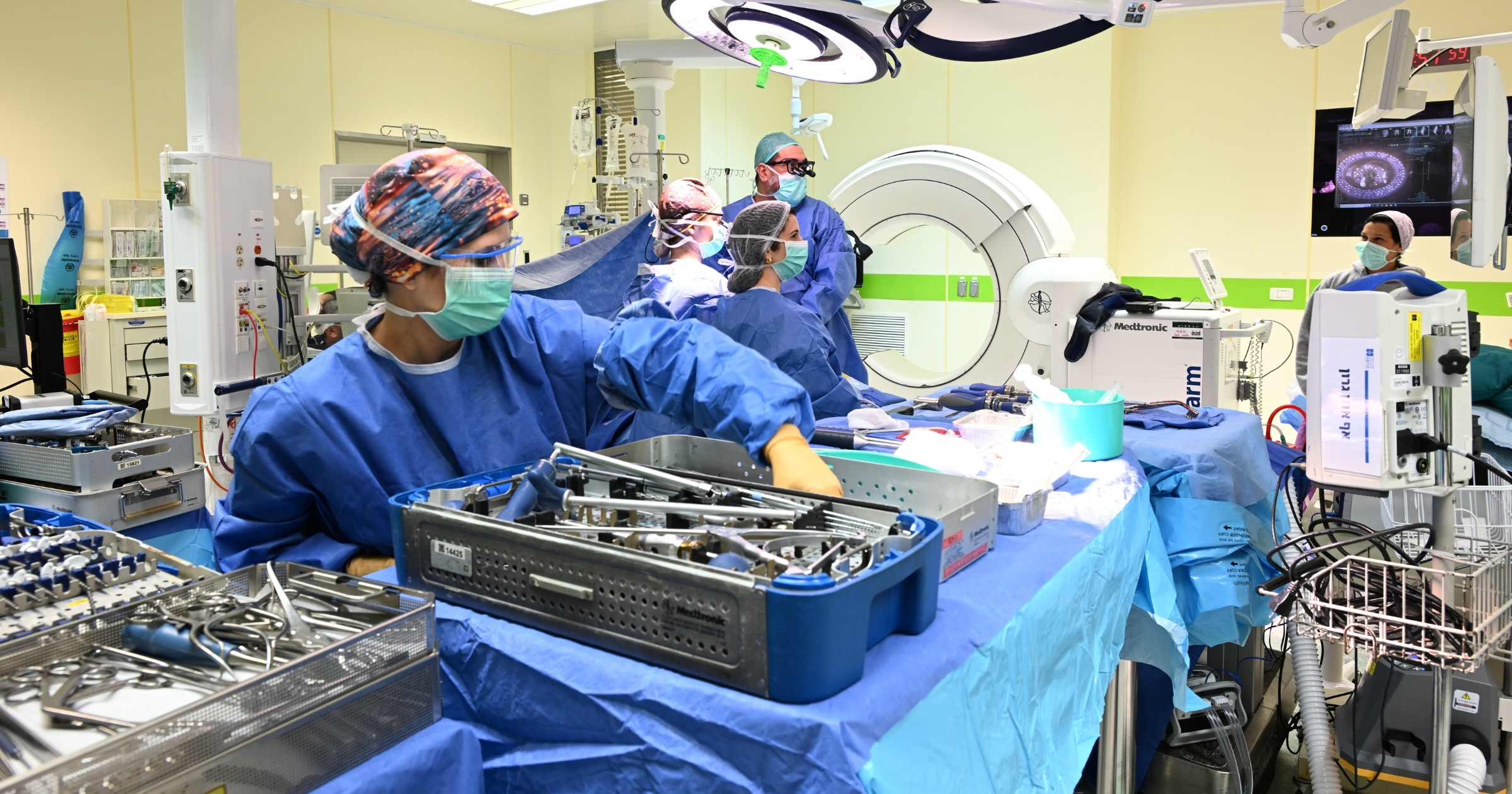
“The foresight to create safe space so that we can do our lifesaving work was brilliant,” said Dr. Joshua E. Schroeder, head of the spine unit. He has been meeting with patients and their families in the protected rooms on the third floor underground of the Davidson Tower, instead of the fourth floor underground—that area was being used by premature babies in incubators and the staff who care for them in the Neonatal Intensive Care Unit.
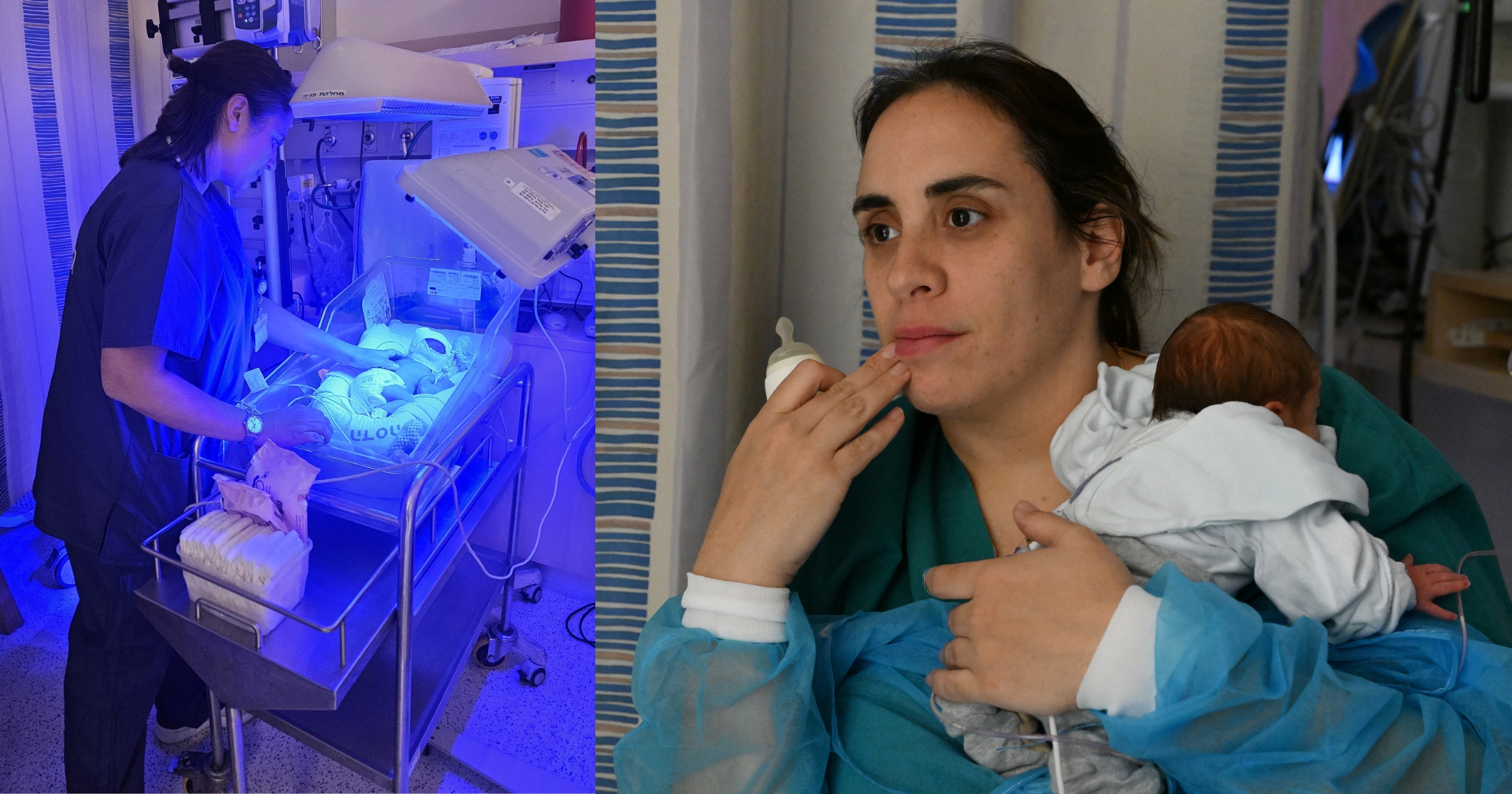
In their temporary space, a first-time mom stood near an incubator and sang softly to her tiny infant. She had been discharged, but she travels to Ein Kerem each day to be next to her newborn.
“My baby was born on February 28 at 27 weeks, which is scary enough,” she said. “Then, there’s a war on top of it. I was worried about being in temporary quarters in minus four of the Davidson Tower instead of the regular unit. Now I realize what a blessing it is to be safe from the rocket attacks above.”
Across the city at Hadassah Hospital Mount Scopus, music therapist and Jerusalem tour guide Hadassah Anikster also gave birth to her first child on February 28, when the war began. She, too, had a daughter. One reason she chose the Rady Mother and Child Center at Mount Scopus was that “it has a warm and friendly feeling.” She went into labor as the first rockets were falling and gave birth while air raid sirens sounded outside.
“I was so happy knowing I was in a reinforced room,” she said. “It was a great birth experience. Don’t forget my name is Hadassah. I felt right where I should be.”
Indeed, the reinforced safe delivery rooms in the Rady Center as well as the underground delivery rooms and new safe induction rooms at Hadassah Ein Kerem attracted so many pregnant women that a record 2,100 babies were born in the month of March. Said Mount Scopus head midwife Elisheva Levin, “I loved hearing the glorious cries of the babies born in safety as the air raid sirens sounded outside.”
Also on the Mount Scopus campus, the Gandel Rehabilitation Center features a lower parking level that contains a fully equipped underground hospital. It opened just two weeks after the terror attacks of October 7, 2023, but remained unused until the 12-day war, when Iran launched ballistic missiles at Israel. The first transferred patients came not from the North, as expected, but from the South, after Beersheva’s Soroka Hospital was struck by a missile.
Since March, hundreds of patients, from infants to nonagenarians, have been moved into the underground hospital, including those needing intensive care and dialysis.
“Because this was the second time the facility was prepared for use, it was easier to move everyone in,” said Dr. Moshe Simons, director of the Gandel Center’s underground hospital.
On the second day of the war, a ballistic missile blasted through a synagogue and the shelter beneath it in the city of Beit Shemesh, about 20 miles from Jerusalem. Nine people were killed, including four teenagers, and 38 wounded survivors were rushed to Hadassah’s two hospitals.
Among them was Pnina Cohen, whose husband, Yossi, and mother-in-law, Bruria Gloria Cohen, were killed. Pnina underwent surgery in the Davidson Tower underground operating rooms and required assistance from a Hadassah nurse to attend the funerals of her husband and mother-in-law.
Her son, Noam, who turned 13 on the day of his father’s funeral, had been scheduled to celebrate his bar mitzvah the following Shabbat. The ceremony in the family’s Beit Shemesh synagogue was canceled. But on that Shabbat morning, balloons decorated the entrance to the Moshe Saba Masri Synagogue in the Davidson Tower atrium. Pnina was wheeled into the women’s section. The benches overlooking the Jerusalem Hills were filled with friends and family.
Tears mingled sadness and joy as Noam was called to the Torah and read the Hebrew words of the Torah portion he had practiced and discussed so often with his father: “Command the children of Israel, that they bring unto thee pure oil of beaten olives for the light, to cause a lamp to burn continually” (Vayikrah 24:2).
That verse describes the responsibility of the priests—the biblical Cohanim, Noam’s ancient ancestors—to keep the light of the menorah in the Tabernacle burning. Just as, in the hospital that surrounded him, Hadassah’s task is to maintain the light of healing today.
Barbara Sofer, an award-winning journalist and author, is Israel director of public relations for Hadassah, The Women’s Zionist Organization of America.
 Facebook
 Instagram
 Twitter
Leave a Reply