



Books


REVIEW: ‘The World Between’
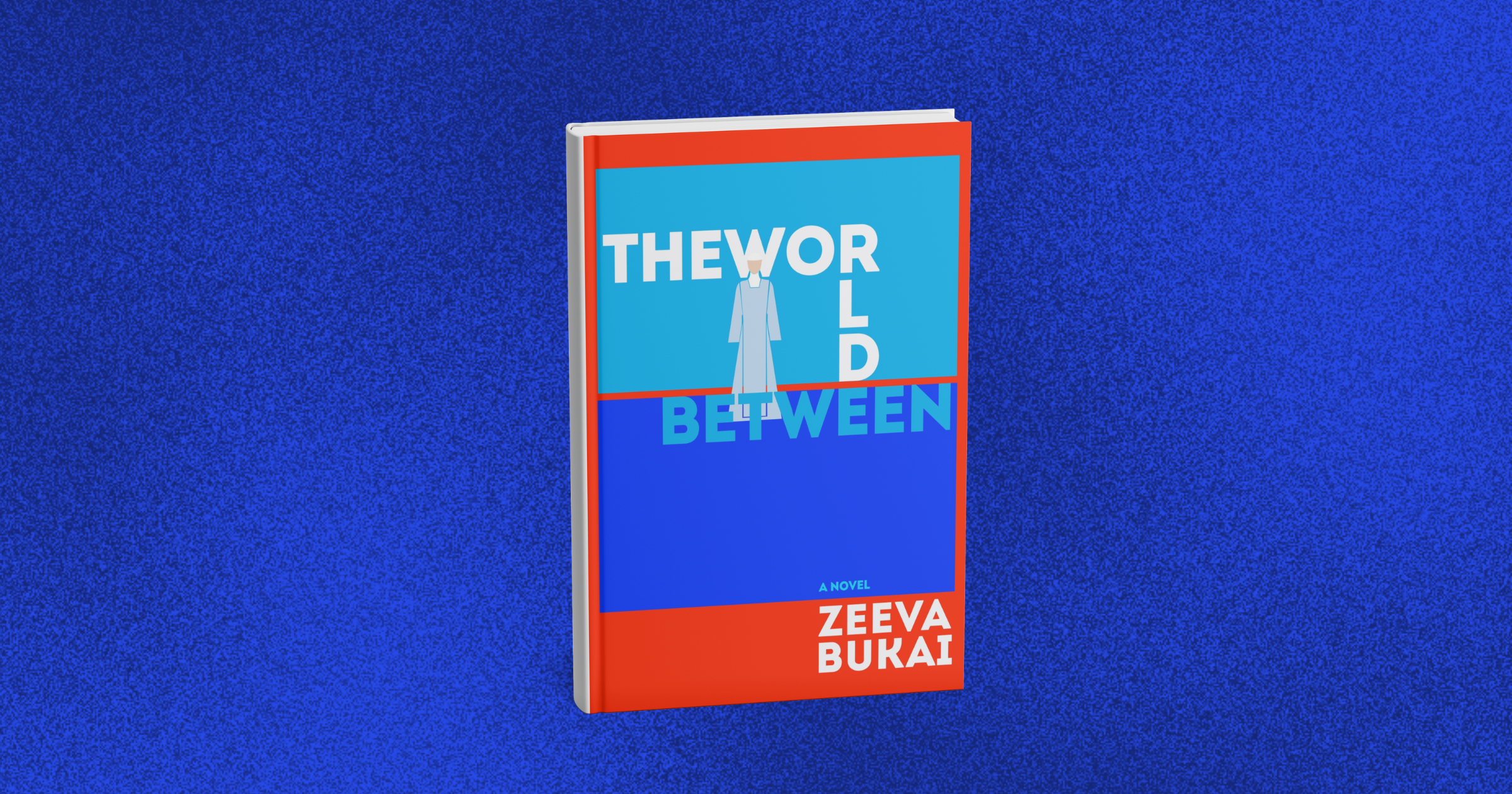
The World Between
By Zeeva Bukai (Delphinium Books)
In her debut novel, The Anatomy of Exile, Zeeva Bukai portrays a marriage torn between Israel and the United States, between past and present. Bukai’s lyrical prose shines again in her newest work, The World Between, an entirely different story that nevertheless evokes similar tensions between spouses, homelands and shifting times.
The unnamed narrator of The World Between is a once famous Yiddish theater star who has left her Yiddish playwright husband, Max, in New York City to return to the Tel Aviv apartment they shared in their youth. Narrating the story from a sanatorium in Jaffa, she addresses Max as she rambles through a description of her life and marriage. The third main player in this book—and in the marriage—is Rothman, the narrator’s dearest and only surviving friend from her Polish childhood and war years spent in a Soviet gulag.
The narrator loves Max, who collaborated with her throughout her career. She also loves Rothman, who stood by her through the tortures of war, exile and the loss of friends and family. Rothman has always been a macher, a wheeler-dealer able to scrounge up food in the gulag and money in the hardscrabble infancy of the State of Israel, where he lived in that same Tel Aviv apartment with the narrator before introducing her to Max. She might not have survived the worst years without Rothman, but would he have survived without her?
This is one of many questions around the narrator’s life that Bukai dangles before the reader, some answered and some not. What sent her fleeing from Max and their life in New York City? Why are children, especially babies, such a red flag for her? What crisis landed her in the sanatorium, and is Rothman the cause of her pain or her savior?
Bukai wends the twisty paths of a tormented, confused mind successfully, even as the narrator herself is unclear about her own history. She has been married to Max for 40 years, or 45. She is in her 60s, or 70s. The present year is 1998, or not. Even names feel unreliable: Rothman is never called by a first name; Max’s given name (Melech, Hebrew for king) was abandoned during the war; and the narrator remains nameless throughout. At one point, she suggests that she relates her story through letters never mailed to Max, though as readers, we are not sure that we can believe her.
What we can believe is her enduring post-World War II pain—she calls Max and herself “people whose religion is guilt”—and her divided love. Looking at Rothman, she says, “My gaze was like a homing pigeon, unable to stop itself from returning to its cote.” About Max, she says, “…my tongue had found a home in your mouth. My heart in your heart.”
Bukai, born in Israel and raised in New York City, reserves some of her most poetic language for the country of her birth, describing a tractor that “crouches like a spider in a field,” prickly pear trees with “thorny leaves the size of placemats” and “the sky a blue bowl over our heads.”
The book’s ending may not resolve the narrator’s future (nor reveal all the truths of her past), but we know that, in Israel, she has returned to a place that offers a chance for healing.
Elizabeth Edelglass is a fiction writer, poet and book reviewer living in Connecticut.
 Facebook
 Instagram
 Twitter

briann shear says
I was lucky to receive an advance copy. As a reader and National Chair of Hadassah Book Clubs, I heartily endorse this review. This book was mezmerizing, a great follow-up to her first novel The Anatomy of Exile. I highly recommend both and would be happy to help facilitate a meeting with your Hadassah Book Club on Zoom. Happy reading