




Health + Medicine


Hadassah Treats Israel’s Post–October 7 Mental Health Crisis
A young Nova music festival survivor was among the first patients Hadassah psychologist Shiri Ben-David treated after the October 7, 2023, Hamas attacks. He escaped without physical injury but witnessed others at the festival being murdered, injured and abducted. Hecame to the emergency room at Hadassah Hospital Ein Kerem, she recalled, because he was obsessing over what he might have done differently to save friends who were murdered. Getting out of bed had become so difficult that he couldn’t work.
More than two years later, Ben-David says she is seeing that same paralysis of guilt and grief in other patients at the Hadassah Medical Organization in Jerusalem.
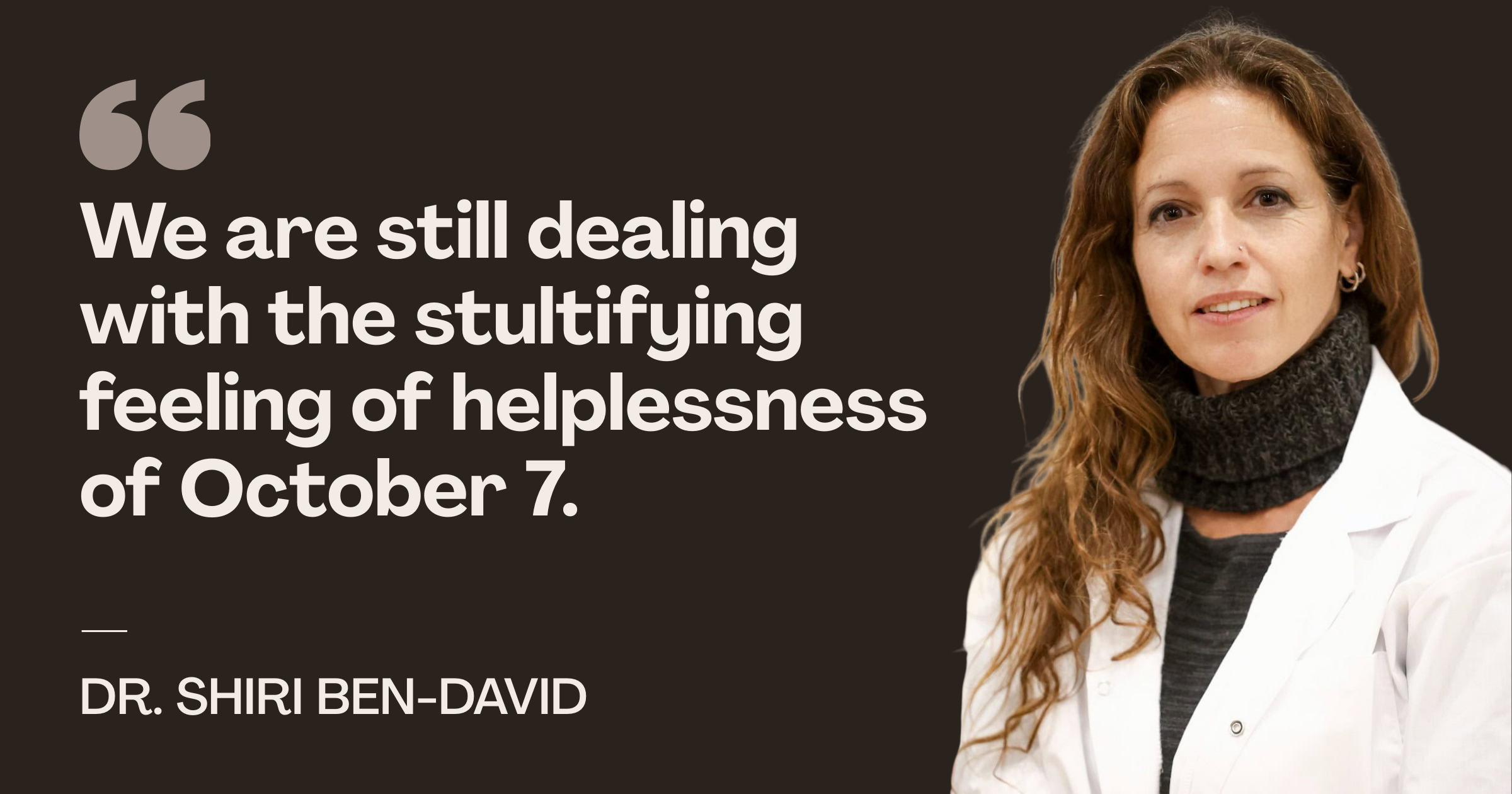
Despite the return of all the living and deceased hostages and the stepping back from active war, “a cloud of survivor’s guilt has settled over Israel,” said Ben-David, who heads HMO’s staff of 140 psychologists, a nearly 20 percent increase over the past two years. “We are still dealing with the stultifying feeling of helplessness of October 7.”
Ben-David and her team at Hadassah are responsible for treating the psychological wounds of much of Jerusalem. In addition, they are frequently being called on to advise Diaspora communities suffering from the widespread psychological challenges of dealing with terror attacks and growing antisemitism.
HMO’s response to the unprecedented nationwide mental health crisis is multipronged. In addition to expanding its mental health care staff, HMO has refined tools to address the surge in sleep problems, anxiety and depression.
Other initiatives include retraining therapists from other fields in techniques to manage the emotional responses to trauma as well as providing personalized psychological care for wounded soldiers and their family members and offering group therapy for soldiers.
“No one in Israel has escaped stress,” Ben-David said. “Whether they ‘just’ heard sirens when driving a car and sought shelter or huddled in their safe rooms with frightened children, the whole country was under threat.”
Traditionally, trauma treatment begins after the traumatic event has passed, when psychologists can emphasize that the source of the trauma is over. But Israel’s longest war coupled with the slow return of the hostages and the continued call-up of reserve soldiers on the Lebanese, Syrian and Gaza borders have stretched the tension far beyond the ceasefire that began in October 2025.
“This is a war without a clear ending and without images of victory or parades,” Ben-David said.
Estimates of how many Israelis may need therapy are alarming. A report by the Israeli daily Yedioth Ahronoth in November 2025 found that at least two million Israelis were experiencing mental health problems serious enough to warrant professional care. A December 2025 study by Maccabi, Israel’s second-largest health fund, went further, determining that one in three Israelis—more than three million people—required psychological support.
Despite the reports, the exact scope of the need is difficult to estimate, Ben-David said. “Thankfully, most will recover on their own and not develop chronic PTSD.”
She is not minimizing the trauma. Rather, Ben-David explained, the brain’s natural alarm system tends to quiet as danger subsides and life regains stability. With time, social support and a return to routine, symptoms can fade without formal treatment.
Still, many who could benefit from therapy have not yet sought it, she said. “People feel there’s a hierarchy of trauma: being a hostage, having a loved one killed or injured, battlefield experience, your home being hit are ‘understandable traumatic events,’ but so is being evacuated from your home,” Ben-David said. “And then there are also many who don’t want to be classified as ‘traumatized’ because they might not want to lose their combat positions in reserves or be disqualified for a stressful civilian job because they seem unstable.”
Nonetheless, Ben-David said, stigma around mental health care has eased in Israel as greater public awareness of PTSD has encouraged both soldiers and civilians to seek help.
At the Gandel Rehabilitation Center at Hadassah Hospital Mount Scopus, wounded soldiers are paired with a dedicated psychologist, rather than rotating staff, so patients do not have to repeatedly retell their stories. Family members are also offered support as their loved ones recover.
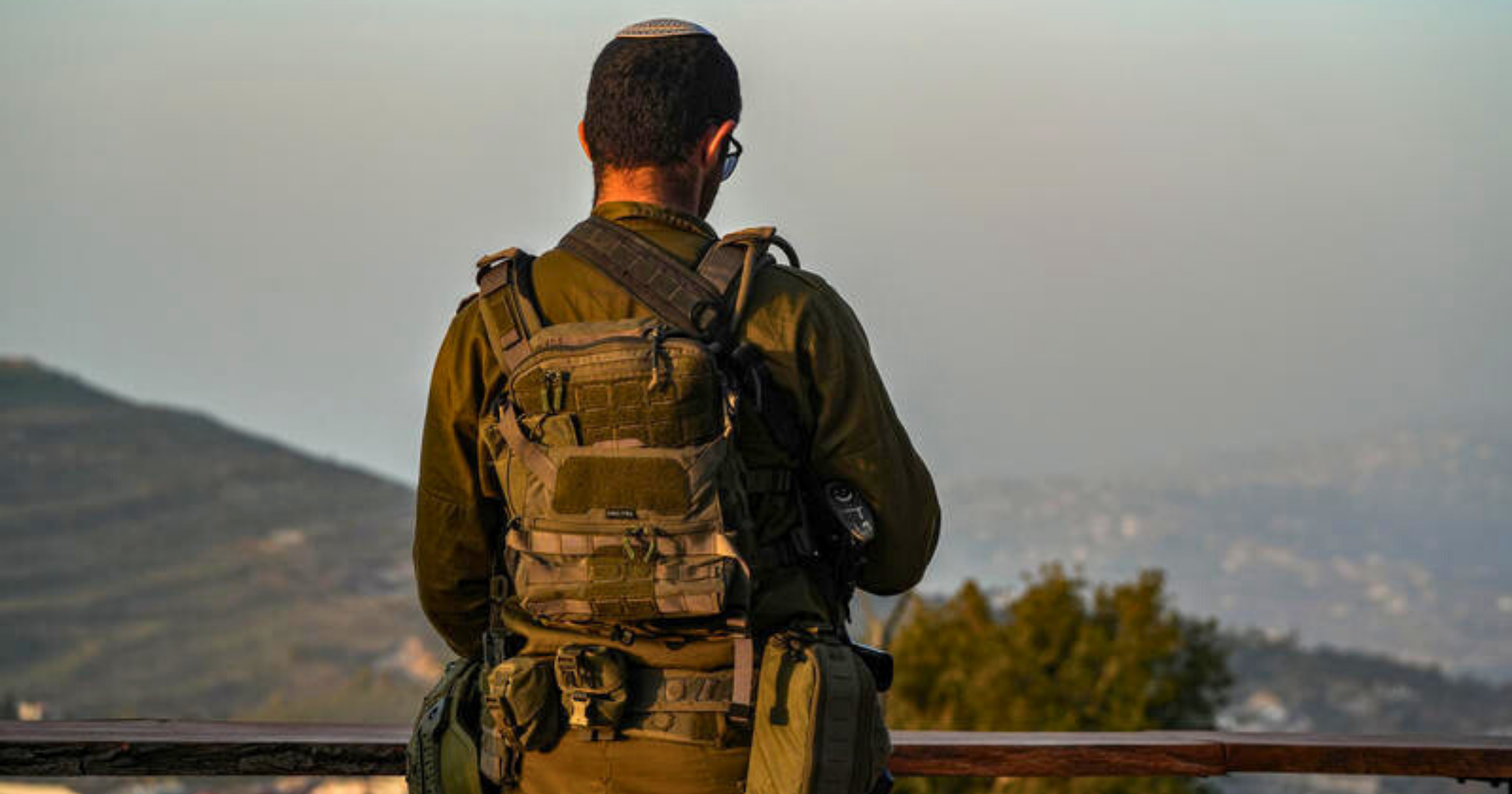
Idan, a severely wounded paratrooper reservist who fought in Gaza and in Lebanon, had initially resisted psychological therapy. He had been shot in the hip while rescuing a wounded paratrooper in a village on the Lebanese border. Evacuated by helicopter to Hadassah Hospital Ein Kerem, he underwent multiple surgeries, including a hip replacement.
“At first I waved it away,” he admitted. “But after one session, I realized that psychological care had to go hand-in-hand with my physical recovery. It made all the difference in dealing with flashbacks, pain and the frustration of a long rehabilitation.”
In January, a new group therapy program for wounded soldiers who have completed initial rehabilitation, along with their spouses and significant others, was opened at the Gandel Center. Each session begins with relaxation techniques, including breathing exercises and yoga, before experts shift to psychological and vocational support.
“Participants feel stuck, unable to move forward at work and home. Many have PTSD,” said social worker Pnina Haron, who leads the group.
“I’m back at my job,” one participant said, “but only in this group do I feel people around me understand what I’m going through.”
Another shared that he is attending the meetings because he wanted to date but feared his PTSD-related outbursts might sabotage any relationship. A third group member, an infantry reservist and father of four, attends to discuss financial strain. He said he initially told himself that money did not matter since he was serving his country. The government paid reservists’ base salaries, but it did not make up for lost overtime and bonuses at his regular job.
Hadassah On Call, one of Hadassah’s premier podcasts, helps decode today’s top developments in medicine, from new treatments to tips for staying healthy. In each episode, journalist Maayan Hoffman, a third-generation Hadassah member, interviews one of the Hadassah Medical Organization’s top doctors, nurses or medical innovators. Upcoming episodes include a conversation with senior dermatologist Dr. Vered Molho-Pessach about a range of skin conditions. And explore previous episodes, including a discussion on polypharmacy—the concurrent use of multiple medications, common among older patients—with Dr. Yosef Caraco, director of the clinical pharmacology unit at Hadassah Hospital Ein Kerem. Subscribe and share your comments here or wherever you listen to podcasts.
Couples, and often entire families, are struggling as long separations have reshaped family dynamics.
“A soldier returns from months of reserve duty. The soldier’s spouse has been home dealing alone with the house and children,” Ben-David said. “One person has lived with danger and death while the other has been fighting a different battle at home. Authority structures shift. Expectations clash. A wife asks her husband to do the dishes or tidy the yard, but he doesn’t see any meaning in household tasks after the months on the battlefield.”
Child and family treatments have likewise been adjusted since October 7, to help cope with widespread but immediate needs. “When Hadassah Medical Organization undertook the outreach to the evacuees in the hotels in and around Jerusalem, we effectively refined tools of community outreach. We reached out to school-aged children by working with teachers on how to answer questions and to identify children in need,” explained clinical psychologist Osnat Goori Mussel of HMO’s Center for Pediatric Traumatic Stress. “In our clinic, there is a greater emphasis on family-wide intervention in cases in which, for example, a soldier has died. Siblings, parents and grandparents have all experienced a private loss and grief.”
Related reading: Kudos to Hadassah’s Hospitals
Goori Mussel added that she and her colleagues have come to appreciate the value of even brief therapy: “Sometimes a few sessions—even one—can make a real difference.”
Goori Mussel has also expanded her practice to include 3- and 4-year-olds, whose needs are often overlooked. Pediatric care tailors the therapy to children’s ages and experiences. With small children, therapists use play therapy, allowing children to re-enact their experiences with miniature figures.
“My youngest daughter benefited from just a few sessions of play therapy,” said one mother whose family in Jerusalem received treatment at the pediatric center. “But my older son needed longer-term help because his anxiety spilled over into school.”
Among the most common complaints, according to clinicians at HMO, are high levels of persistent anxiety, hypervigilance, nightmares, emotional numbness and sleep disturbances. To address the surge in needs, HMO has quickly retrained staff. Psychologists who had specialized in oncology care, for example, expanded into trauma care.
“Hadassah psychologists and social workers have a good basis of education and experience that, with additional training, can be directed to effective treatment,” Ben-David said.
Therapists have been retrained in specific methods proven effective for dealing with PTSD, anxiety and depression, including cognitive behavioral therapy and hypnosis. A grant from the Jewish United Fund of Metropolitan Chicago early in the war helped fund courses in EMDR, which stands for eye movement desensitization and reprocessing. EDMR helps patients reprocess traumatic events by subjecting them to distracting and rhythmic visual, auditory or tactile stimulation. (Other grants included one from the Jewish Federation of Greater Houston that helped support training for grief therapy for both young and older patients.)
“EMDR, with someone waving a finger in front of my eyes, looked weird at first,” said a nurse who was treated at Hadassah after being shot on an army base while attending a wounded female soldier. Even as she was helping that soldier, another soldier next to her died. “I always started crying when I spoke about the young soldier who was killed right beside me.” After EMDR, she said, it was still painful to recall, “but I could stay composed.”
After more than a year of intense therapy, the young Nova survivor wracked by grief and guilt who first sought help at Hadassah in October 2023 has returned to work. “You never tell a patient that their guilt is wrong,” Ben-David said. “Instead, you help them reconsider their actions under impossible circumstances. Over time, many come to accept that they did the best they could.”
The concept of survivor’s guilt is rooted in a Holocaust history that Ben-David, like many Israelis, had felt distant from, even though she has grandparents who are Holocaust survivors.
“I thought of myself as a typical Israeli. But since the war I have thought more about my grandparents and how they rebuilt their lives after unimaginable trauma,” she said. “Their resilience may be the source of my deepest belief that we, too, can heal.”
Given the mental health needs, HMO will need to continue to expand both personnel and facilities in the coming years, she acknowledged. “With the support of our partners abroad,” Ben-David said, “I am optimistic. We have the tools to strengthen resilience—and from this pain, we can even learn and grow.”
Barbara Sofer, an award-winning journalist and author, is Israel director of public relations for Hadassah, The Women’s Zionist Organization of America.
 Facebook
 Instagram
 Twitter
Leave a Reply