




The Jewish Traveler


What’s Jewish About Vietnam and Cambodia?
As a child of the 1960s and 1970s, Vietnam evoked just one thing for me: a devastating, brutal and polarizing war. Today, 50 years after the war ended, Vietnam has risen from the ashes to become one of the world’s top tourist destinations.
It’s no wonder. The S-shaped country kisses a 2,000-mile coastline along the East Sea (South China Sea) and hugs fertile river deltas and dramatic mountain ranges. Its major cities—Hanoi in the North, Da Nang in the center and Ho Chi Minh City (formerly Saigon) in the South—provide a lively counterpoint to its more serene settings.
I arrived in Vietnam last summer on the first excursion of my new tour initiative, Explore Jewish Adventures, a Shabbat-observant, vegetarian experience. For the past 10 years, I have been leading Jewish tours exclusively to India, where I was born. Vietnam was a completely different journey, yet it shared one familiar aspect. All my life, people have asked me, “There are Jews in India?” Now, the question was, “What’s Jewish about Vietnam?”
About 300 Jewish expats from Israel, America and France live in Vietnam today—my own nephew, an English teacher, among them. According to Chabad of Vietnam in Ho Chi Minh City, between 10,000 and 15,000 Jewish tourists visit each year. Chabad runs one center in Cambodia (Phnom Penh) and three in Vietnam: Hanoi, Ho Chi Minh City and Hoi An, near Da Nang. Israeli families and backpackers are everywhere.
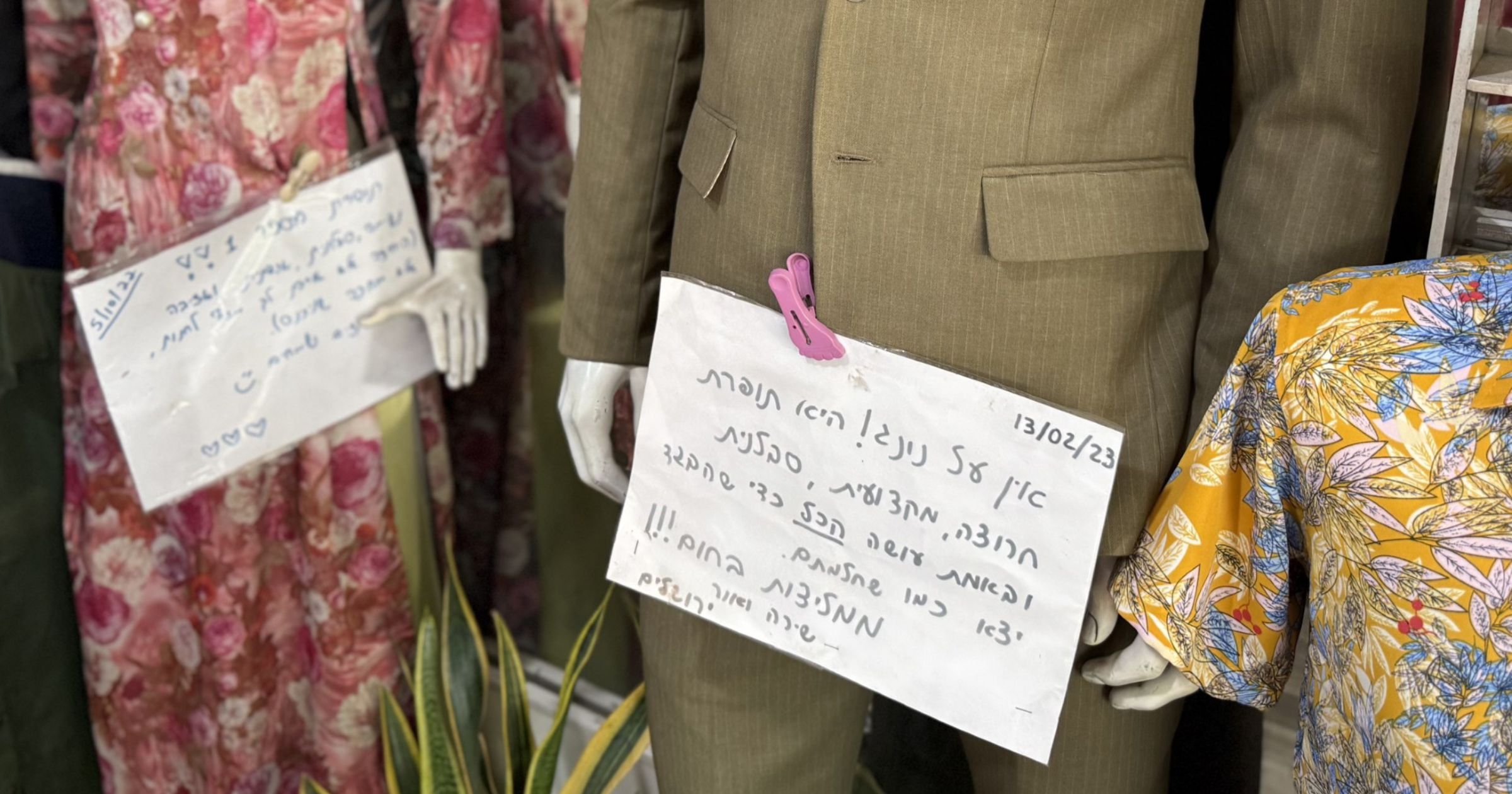
At a shop in Hoi An, I was delighted to find handwritten letters of recommendation in Hebrew that the Vietnamese owner, a seamstress, had pinned proudly to displays of dresses and suits. After we spoke about her interactions with Israeli tourists, she gaily called out “todah,” thank you in Hebrew, as I left with a package of three silk dresses.
Because Vietnam’s weather and rainy seasons change by region, there’s no bad time to visit. In August, despite the heat in Hanoi and periods of rain in the South, the country was a riot of pageantry as it readied itself for Independence Day celebrations on September 2. The holiday commemorates President Ho Chi Minh’s 1945 declaration of independence from almost a century of French colonial rule, despite the eight-year war with the French that ensued (1946-1954). Vietnam’s civil war (1955-1975), which the United States entered, soon followed.
The War Remnants Museum in Ho Chi Minh City is a lesson in perspective; what we call the Vietnam War is known here as the American War, with many events interpreted in a different light. However, as our guide told us, “The war is past. It’s part of the history of the country but people are forgiving. We have moved on. We teach people not to hate.”
The French influence remains, especially in architecture, culture and language. In fact, French colonization is what drew Jewish merchants, soldiers, administrators and educators to Indochina, the French colonial territory that comprised Vietnam, Cambodia and Laos, in the 1850s. The transient community met informally and did not establish synagogues or Jewish organizations.
The Jewish population of Indochina grew to about 1,000 before the antisemitic laws of Vichy France were implemented in 1940. The statutes limited Jews to certain professions and restricted public education for Jewish children. The laws were repealed in 1945, and the Jewish population rose to about 1,500, but most left with the French after Vietnam declared independence.
During the Vietnam War, a massive but temporary Jewish community emerged. The National Museum of American Jewish Military History estimates that approximately 30,000 Jewish American military personnel served in Vietnam. Among them, Brooklyn-born Colonel Jack Jacobs was awarded the Medal of Honor for heroism; his memoir, If Not Now, When?, co-authored with journalist Douglas Century, reflects his strong Jewish upbringing. Hungarian-born Jewish photojournalist Robert Capa is recalled in a special exhibit at the War Remnants Museum. He was killed when he stepped on a land mine while covering the First Indochina War in 1954.
After the fall of Saigon in 1975, when millions of Vietnamese fled by boat, Jewish aid organizations led by HIAS, founded as the Hebrew Immigrant Aid Society, helped resettle many of them in the United States. In 1977, an Israeli ship famously rescued a boat crammed with 66 Vietnamese refugees in the South China Sea. Then-Prime Minister Menachem Begin offered them asylum. Today, a small Vietnamese community remains in Israel.
In planning our itinerary, my tour partner, Joshua Shapurkar, had suggested we spend Shabbat in a centrally located hotel in Hanoi so we could enjoy walking tours of the city’s rivers, lakes and markets.
I had packed 4-ounce bottles of Kedem grape juice in my suitcase. On Amazon, I found a 19-inch Torah scroll clad in navy velvet, complete with breastplate, pointer, cardboard ark and reader’s stand. Since it was not a truly kosher scroll, we adapted the Torah blessings.
Our group gathered for Kabbalat Shabbat in a private dining room, afterwards savoring a 10-course vegetarian banquet. We shared a feeling of community, knowing that we could celebrate being Jewish no matter where we were.
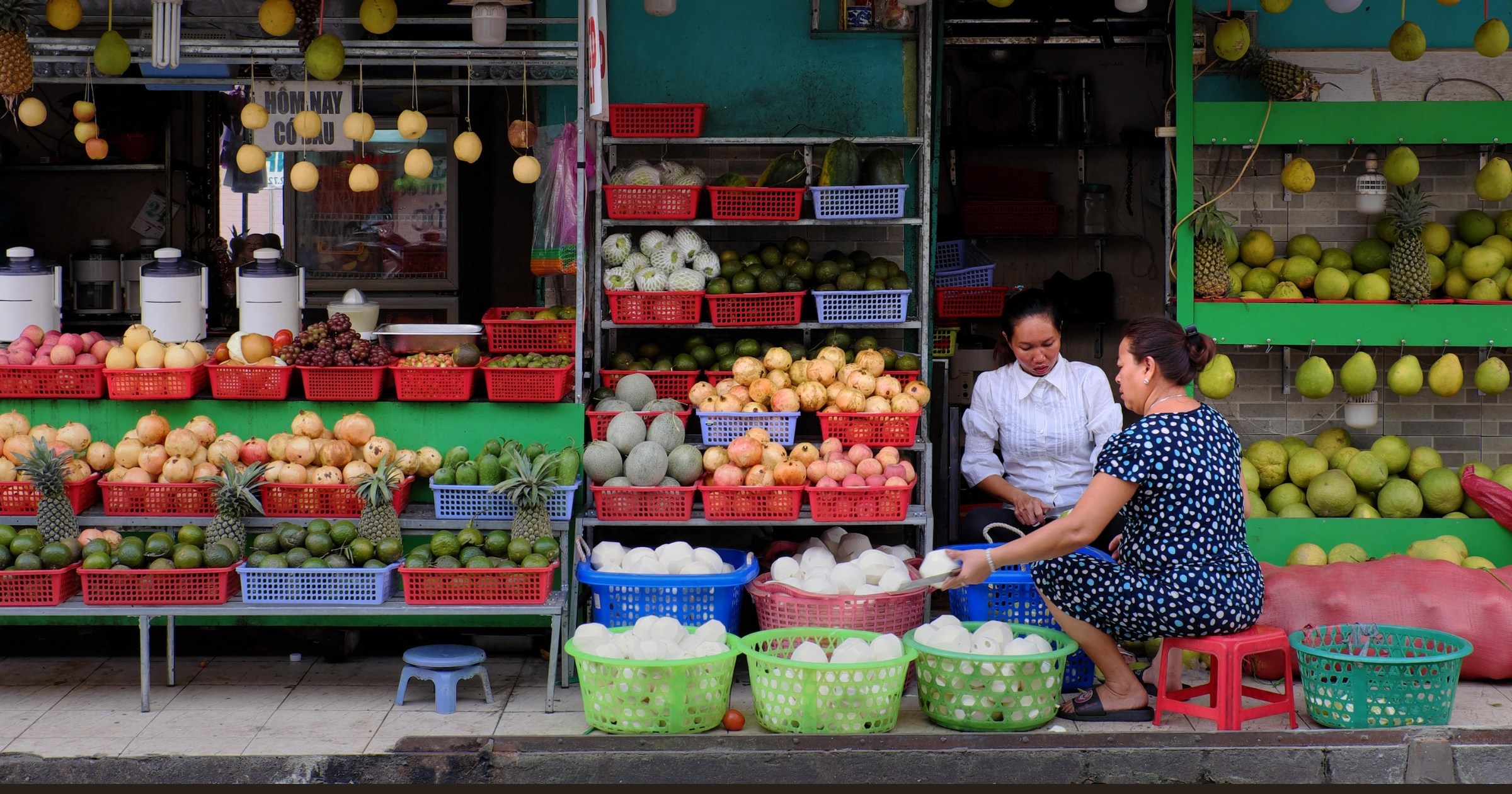
As a longtime vegetarian, the similarity of the Vietnamese word chay (vegetarian) to the Hebrew word chai (life) delighted me. The Vietnamese follow the lunar calendar, and at the new moon and full moon, much of the population eats vegetarian. Buddhism, Vietnam’s primary religion, encourages vegetarianism, so vegetarian and vegan restaurants are plentiful. And the markets we visited brimmed with tropical fruit like sapota, mango, Rose apple, durian, papaya, passion fruit and long avocados that look more like zucchini.
We savored our gastronomic adventure: rice-paper spring rolls; zesty salads of green papaya, mango shreds, lotus root and pomelo; and tofu stir-fried with lemongrass and transformed into countless delectable dishes. Just when we thought we couldn’t eat any more, out came the pho (pronounced fuh), a hotpot of broth layered with rice noodles, fried tofu, bok choy, broccoli, radish, carrots, mushrooms and topped with fried bean-curd skin that softens and soaks up the savory soup.
Vietnam’s blend of Buddhism, Confucianism, Taoism, ancestor worship and folk traditions intrigued us as we visited pagodas, temples and shrines. Though the country’s political system is Communist, it allows individuals to follow their own religious beliefs.
I had a religious experience of sorts in Da Nang at the Ba Na Hills Cable Car, which took us up a mountain to the Golden Bridge. The 500-foot-long pedestrian bridge features huge, upturned hand sculptures often described as the hands of God. As I jostled through crowds of tourists on the wide bridge, I found solace in humming the well-known Hebrew song, “Kol ha’olam kulo gesher tzar me’od”: The whole world is a narrow bridge.
No matter our religion, I thought, we all seek connection.
Cambodia, a short plane ride from Vietnam, hosts a Jewish population of about 200 expats, mostly in the capital of Phnom Penh. Cambodian Buddhism combines elements of Hinduism and animism, and the country is also home to a Cham Muslim minority.
Angkor Wat in Siem Reap is a stunning fusion of symbolism and symmetry—and the largest religious monument in the world. Built as a Hindu temple in the 12th century, it was converted to a Buddhist site two centuries later. Nearby Ta Prohm is famous for its awe-inspiring, tree-root-covered ruins.
Jewish organizations and philanthropies continue to aid Cambodians in their recovery from the ruthless Khmer Rouge regime that targeted religious and ethnic minorities from 1975 to 1979—including the tiny Jewish population that existed then—and killed between one and a half and three million Cambodians. The USC Shoah Foundation has added Cambodian survivor testimonies to its archives.
Toward the end of our group’s Shabbat in Siem Reap, I found a cozy library off the hotel’s dining room. A book on the coffee table caught my eye immediately. It wasn’t so much the title, Empowered, but the author’s Hebrew name, Aviv Palti, that intrigued me. I quickly became engrossed in the story of Palti, an Australian Jewish businessman, and his family, who founded the Cambodia Rural Students Trust in Siem Reap in 2011 to educate Cambodian youth.
The trust provides scholarships to over 100 underprivileged high school and college students. In addition to their formal education, grantees manage projects in local villages for clean water, menstrual health, bicycles for school access, solar lighting and environmental protection, reaching over 20,000 rural students each year.
The next morning, our group visited a nearby school. We met Bopha Touy, a university student and trust awardee who manages a women’s health education project. She grew up in a floating village, in a house built on stilts above water, and moved to her aunt’s house at the age of 9 for easier access to schooling. She spoke emotionally about the trust’s profound impact on her. “My family feels so proud of me,” she said, wiping away tears. “Education changed my life.”
A very Jewish value, indeed.
Learn more about Chabad’s centers in Vietnam here.
Hanoi, Vietnam
Hanoi’s Old Quarter hums with street vendors, local artisans and restaurants. Take a few minutes to relax at Hoan Kiem Lake, which borders the Old Quarter. In the mornings, Vietnamese women on the lakefront may boisterously invite you to join their daily exercise routines. Order a Vietnamese iced coffee at the numerous cafes that line Train Street.
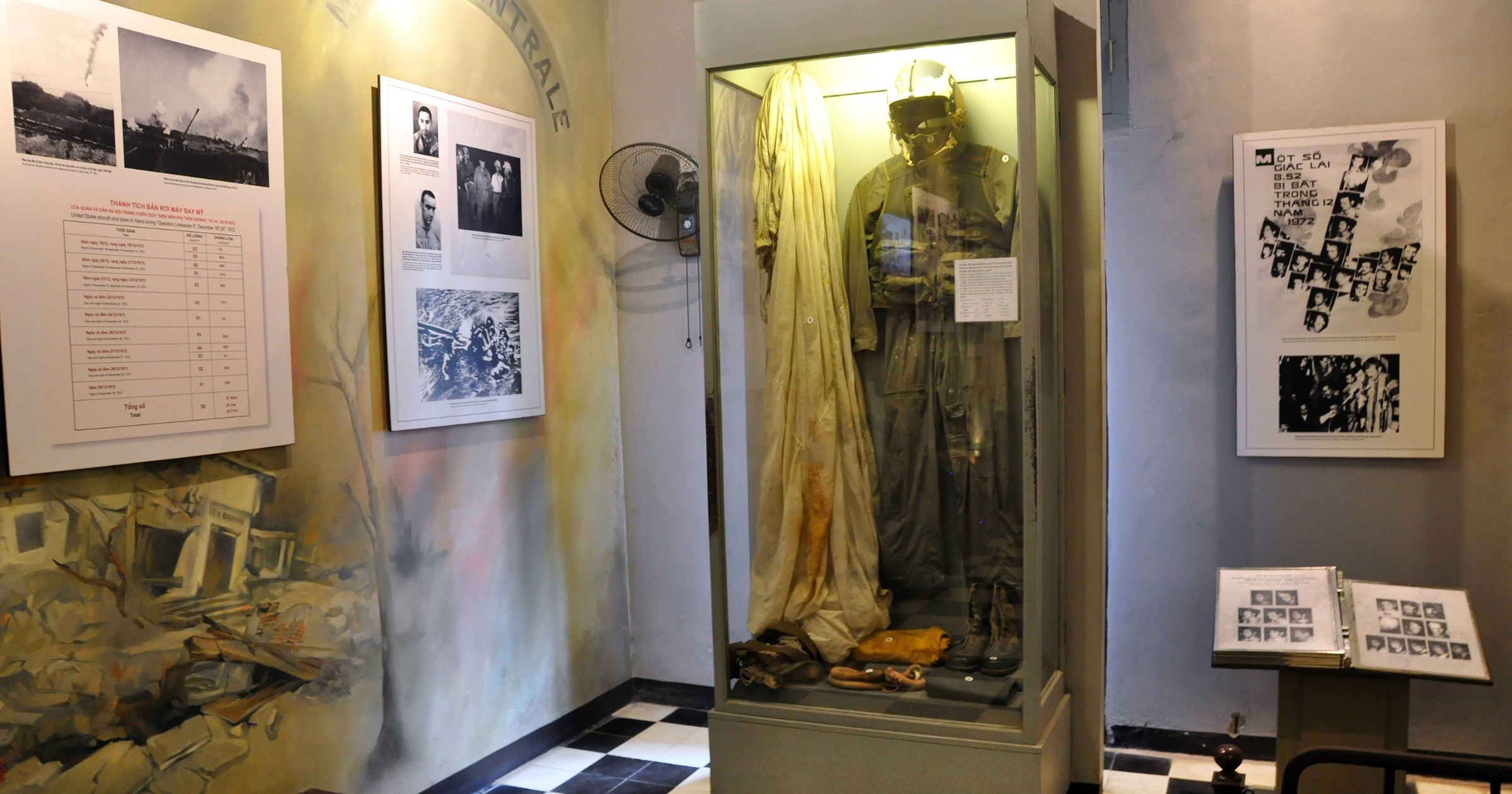
Explore Vietnam’s cultural heritage at the Museum of Ethnology. The Ho Chi Minh Complex houses the residence and mausoleum of the revolutionary leader who became president. A tour of the former Hoa Lo Prison, nicknamed the “Hanoi Hilton” by American prisoners of war jailed there, including the late Arizona Senator John McCain, is a somber reminder of the brutalities of the Vietnam War. McCain’s flight suit is on display, along with a photograph of Hanoi locals rescuing him after his plane was shot down in 1967.
Hoi An
In Hoi An’s Ancient Town, start at the 16th-century Japanese Covered Bridge and continue on to discover historic houses, assembly halls and pagodas built in a blend of Japanese, Chinese and Vietnamese architectural styles. Take a boat ride on the Thu Bon River at night as silk lanterns light up the waters and the nearby Central and Night Markets.
About 35 miles from Hoi An, near Da Nang, the Ba Na Hills house a former French mountain resort that has been transformed into a theme park. An enclosed cable car transports visitors to the top of the mountain, where pedestrians throng the Golden Bridge and stroll through an inventively sculpted flower garden.
Ho Chi Minh City
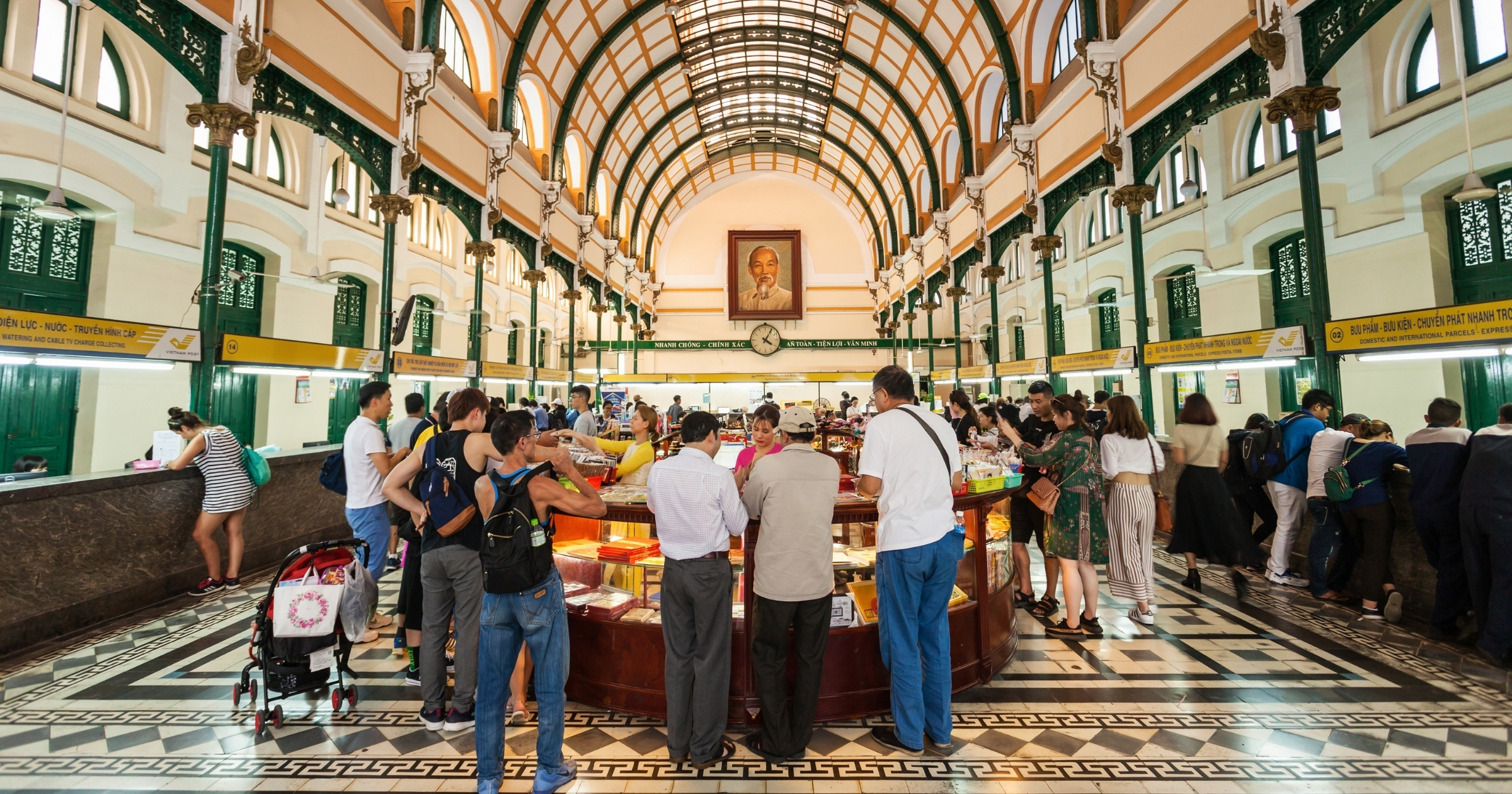
Vietnam’s largest city and its economic powerhouse is situated strategically near the Mekong Delta. The War Remnants Museum documents the horrors of the Vietnam War through photographs and artifacts and includes an outdoor display of military vehicles, tanks and aircraft. The site of the fall of Saigon, Independence Palace (Reunification Palace) was the former residence, offices and bunker of the South Vietnamese president. The Cu Chi Tunnels, a 155-mile labyrinth of underground passages, bunkers and living spaces built by the Viet Cong and now open to tourists, are an eerie precursor to Hamas’s tunnel warfare in Gaza.
The grand Central Post Office, designed by Alfred Foulhoux but often erroneously credited to Gustave Eiffel, is now lined with souvenir shops, but you can still buy stamps and send postcards. Just around the corner, stop at the bookshops and cafes on Book Street, a peaceful escape from the hubbub of the city. If you crave crowds and bargains, the Ben Thanh Market is the place for you.
Siem Reap, Cambodia
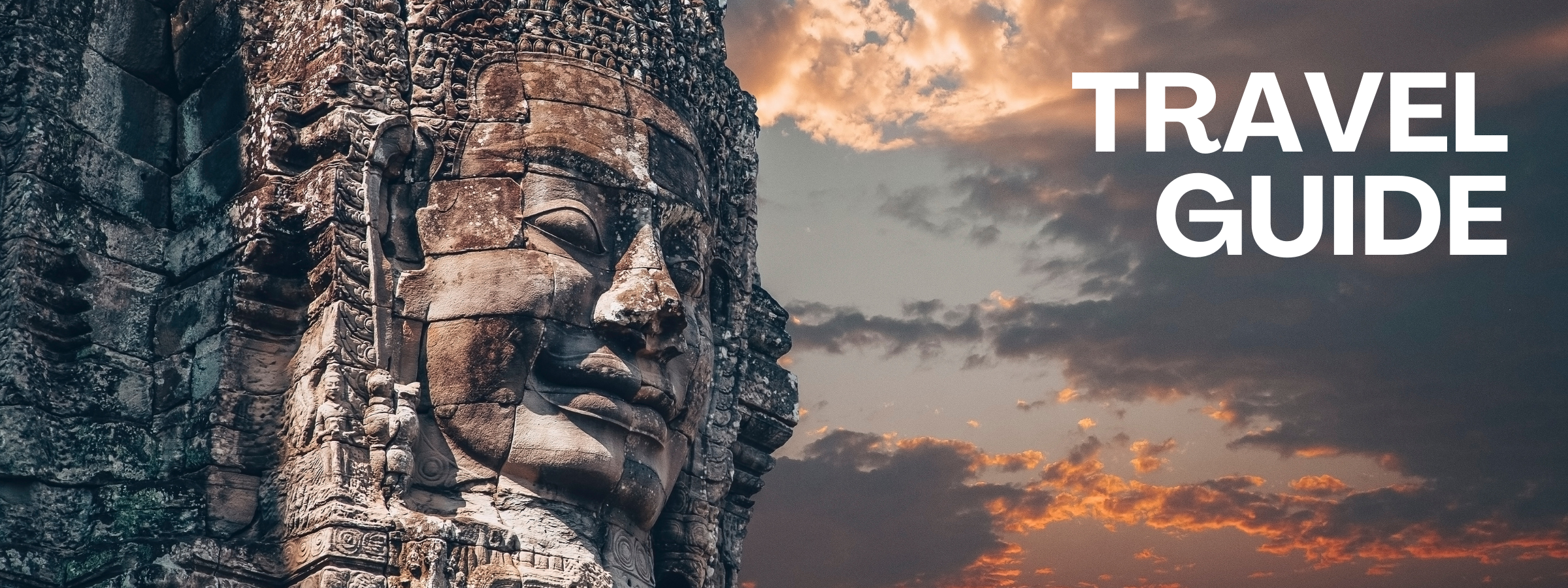
The Angkor Archaeological Park, the heart of the Khmer empire’s religious legacy, features four major sites: Angkor Thom, meaning “Great City,” a majestic 12th-century fortress; Angkor Wat, a sprawling, massive temple complex; the intricately carved stone faces of Bayon Temple; and Ta Prohm’s tree-covered ruins.
Rahel Musleah has expanded her Explore Jewish India tours to include immersive new adventures in Vietnam and Cambodia.
 Facebook
 Instagram
 Twitter
Mary levin says
Very interesting.
Bonnie Zaben says
Amazing. I just got back from her second tour to Vietnam and Cambodia. What a great experience to do with a vegetarian and Shabbat friendly group. Can’t recommend this or her India tour enough