




The Jewish Traveler


The First Jewish Neighborhoods Beyond the Old City
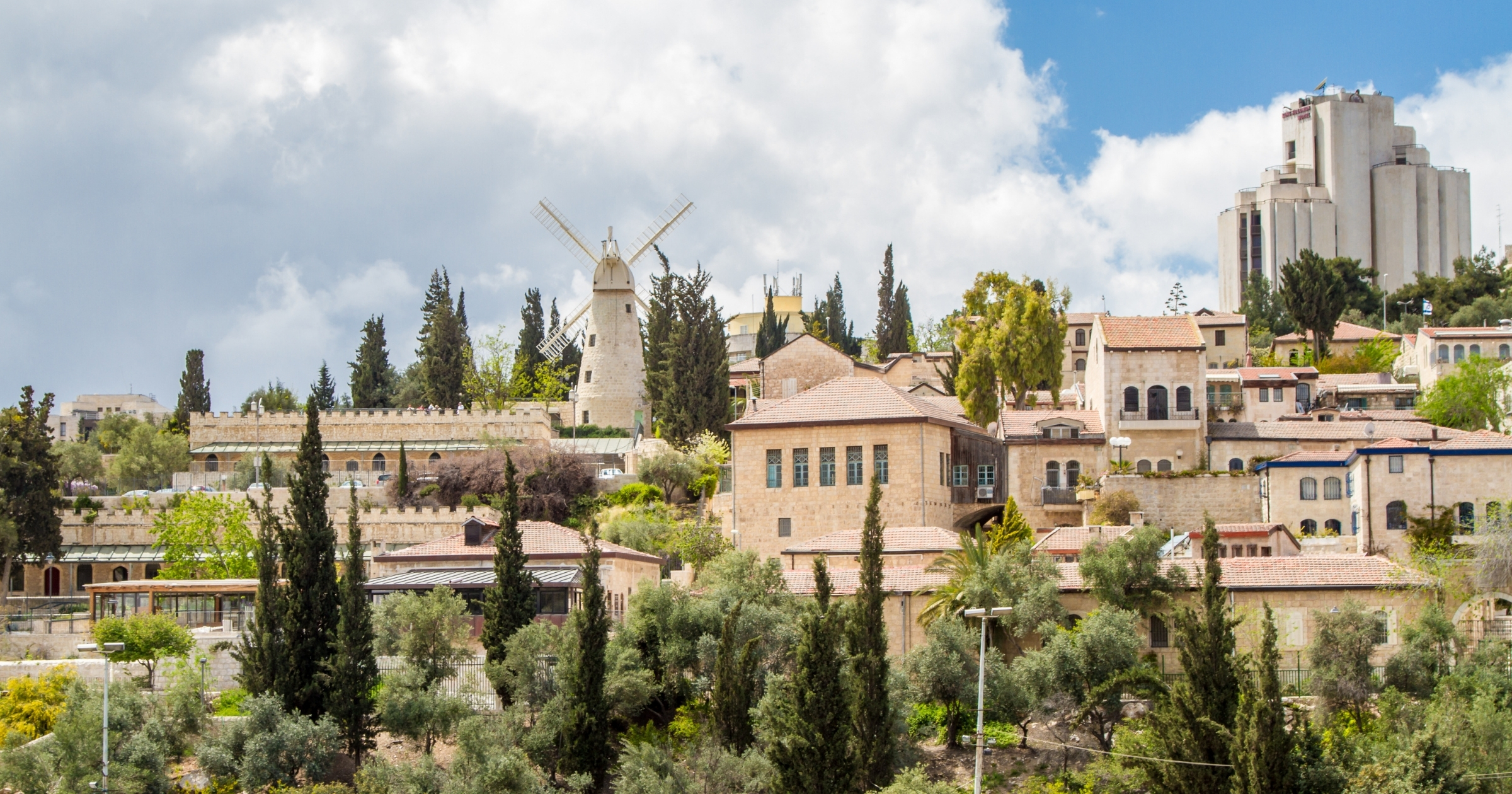
One of the highlights of a Jerusalem walking tour is sipping wine in Mishkenot Sha’ananim at sunset and looking out at the walls of the Old City as they change color. As a tour guide, I often use this moment to explain how Mishkenot Sha’ananim became the first Jewish neighborhood outside the Old City’s protective walls.
By 1860, approximately 18,000 people lived in Jerusalem’s Old City—around 8,000 Jews, 6,000 Muslims and 4,000 Christians. The crowded living conditions were dire. Many residents lived in poverty, sanitation was poor and child mortality was high. Early Muslim expansion outside the walls started with private homes. Similar Christian expansion began with the establishment of major church-sponsored institutions.
The precedent for Jewish expansion was set in 1860, with Mishkenot Sha’ananim, followed by four other Jewish neighborhoods established over the next 14 years. Visionaries and religious figures encouraged residents to move outside the walls of the Old City to improve living conditions and, above all, to hasten the geulah (redemption of the people of Israel) by redeeming the land.
The new developments—some of them tiny residential areas with fewer than 20 families—expanded the city roughly in an arc west and northwest of Jaffa Gate. The first two were built close to the Old City, to convey a sense of security: Mishkenot Sha’ananim is across from Mount Zion, and Machaneh Yisrael is near Jaffa Gate, both located along today’s King David Street. Nahalat Shiv’a and Beit David are part of what is now the city center, near Zion Square. The last, Mea Shearim, is a five-minute walk northeast of Beit David.
All five were given biblical names meant to reassure and inspire.
Mishkenot Sha’ananim (Peaceful Dwellings), drawn from Isaiah, conveyed the promise that living beyond the walls would bring safety, a crucial element since Jews were reluctant to move for fear of attacks by marauders as well as wild animals.
Machaneh Yisrael (Camp of Israel) echoed the Israelites’ protected encampments on their journey through the desert. Nahalat Shiv’a (Heritage of Seven) refers to its seven founders and to the biblical idea of land received as an inheritance. Beit David (House of David) honored its main donor while invoking the legacy of King David. And Mea Shearim (One Hundredfold or One Hundred Gates) recalls its hundred founders and the biblical image of blessing and abundance.
Although the city has grown around these areas, all but Beit David are still classified as distinct Jerusalem neighborhoods. From Mishkenot Sha’ananim’s iconic windmill to the courtyards of Beit David and Mea Shearim, each of these areas marks a step in Jerusalem’s development beyond the Old City, inviting today’s walkers to glimpse how a crowded town, then part of the Ottoman Empire, became a modern, thriving city.
Mishkenot Sha’ananim
In the mid-19th century, renowned British Jewish banker and philanthropist Moses Montefiore and his wife, Judith, were working to alleviate the distress of the Jewish people worldwide. In Ottoman Palestine, they sought to improve the lives of Jews by promoting education and health initiatives. With a $50,000 bequest from American philanthropist Judah Touro, the couple purchased a plot of land in 1856 across from Mount Zion. A year later, a windmill, now a city landmark known as the Montefiore Windmill, was erected to encourage Jewish labor and produce inexpensive wheat.
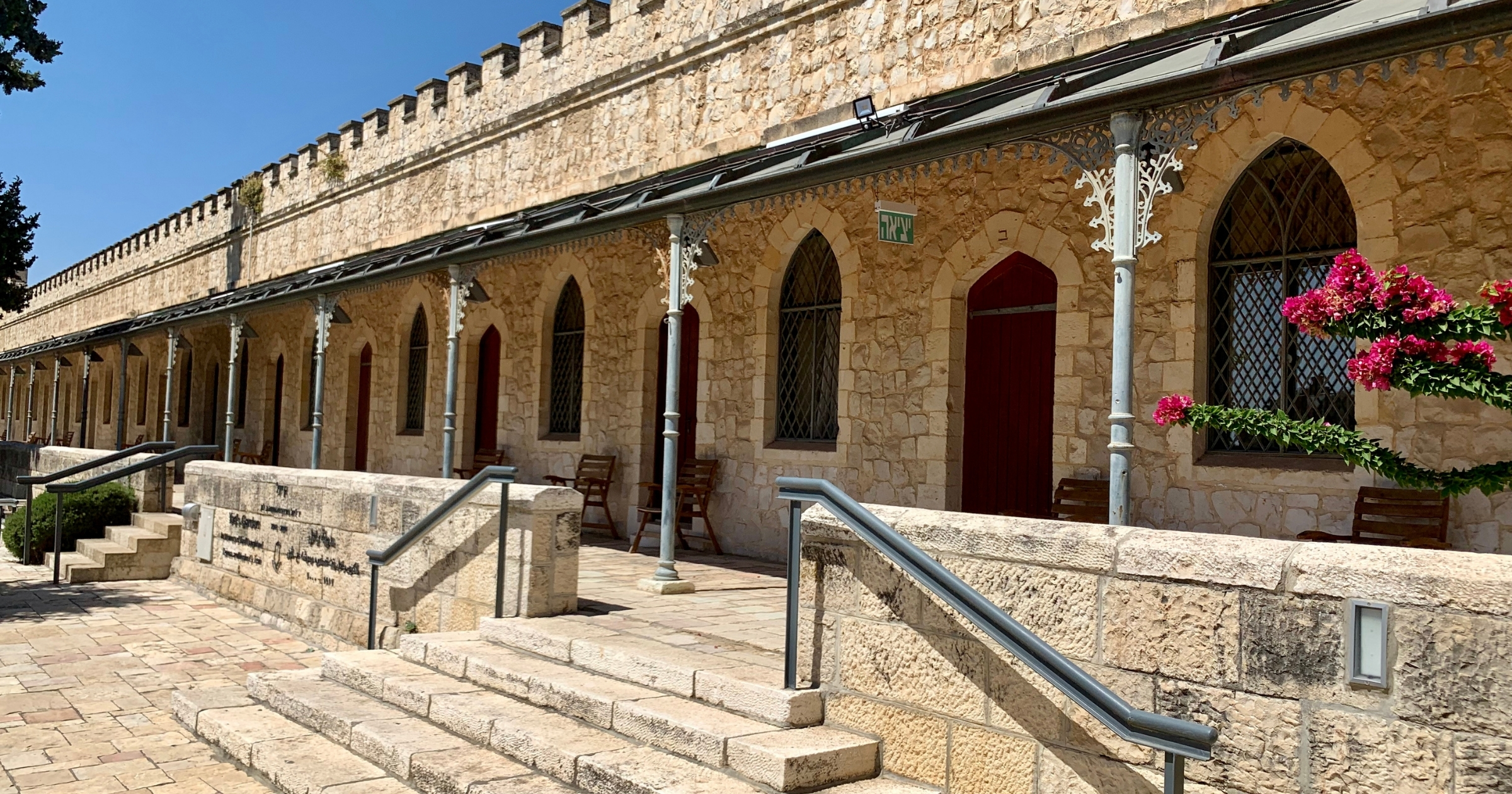
Mishkenot Sha’ananim, which welcomed its first residents in 1860, was designed as an almshouse, topped by crenellation, with 16 living units and two synagogues—one Ashkenazi, one Sephardi. The neighborhood included a protective wall, mikveh and, for that time, revolutionary sanitation consisting of a water cistern with an iron water pump and communal outhouses. Despite these efficiencies, fear of attacks outside the city walls persisted, so Montefiore paid residents to move in.
During the 1865 cholera pandemic, residents of Mishkenot Sha’ananim did not contract the disease because of the more sanitary conditions and relative remoteness. This fortuitous turn of events encouraged other Jews to move to the area, and around the same time, a second almshouse was built. They remained for more than 80 years, only abandoning the area in 1948 after the start of the War of Independence, when Arab forces captured the Old City, and Mishkenot Sha’ananim residents found themselves near the front lines. Jerusalem’s reunification in 1967, after Israel’s victory in the Six-Day War, ushered in a modern chapter for the area and the restoration of its dilapidated structures.
Mishkenot Sha’ananim today possesses a distinctly romantic atmosphere. In the evening, visitors may encounter a wedding proposal next to the Jerusalem Vineyards’ wine tasting center, which is adjacent to the windmill.
The original almshouses, security gate and a section of the protective wall still stand, and various structures now house arts groups. The Mishkenot Sha’ananim Cultural Center and Guest House supports international artist residencies and major cultural events, including the Jerusalem International Writers Festival and Jerusalem Biennale. The Jerusalem Music Centre, established by violinist Isaac Stern, stages frequent concerts and has nurtured generations of Israeli musicians.
Machaneh Yisrael
Machaneh Yisrael was created in 1865 for Maghrebi Jews, a subgroup of Sephardim originating from the Maghreb region of North Africa—Morocco, Algeria, Tunisia and Libya. Their charismatic leader, Rabbi David Ben Shimon, known as the Tzuf Devash or the Radvash, led the community out of the Old City and into this new area.
The rabbi’s stone house, at 10 King David Street, still stands though it is not open to visitors. A quick walk into the alley next to it leads visitors to a colorful Andalusian garden complete with fountains and Moroccan stonework. The garden is a new addition and part of the David Amar Worldwide North Africa Jewish Heritage Center, which is located in an Ottoman-era building that has been renovated in a NeoMoorish style, echoing the architecture and decorative arts of traditional North African Jewish life. The center houses a research library and hosts cultural events and piyyut (Jewish liturgical poem) classes. Visits are by appointment only.
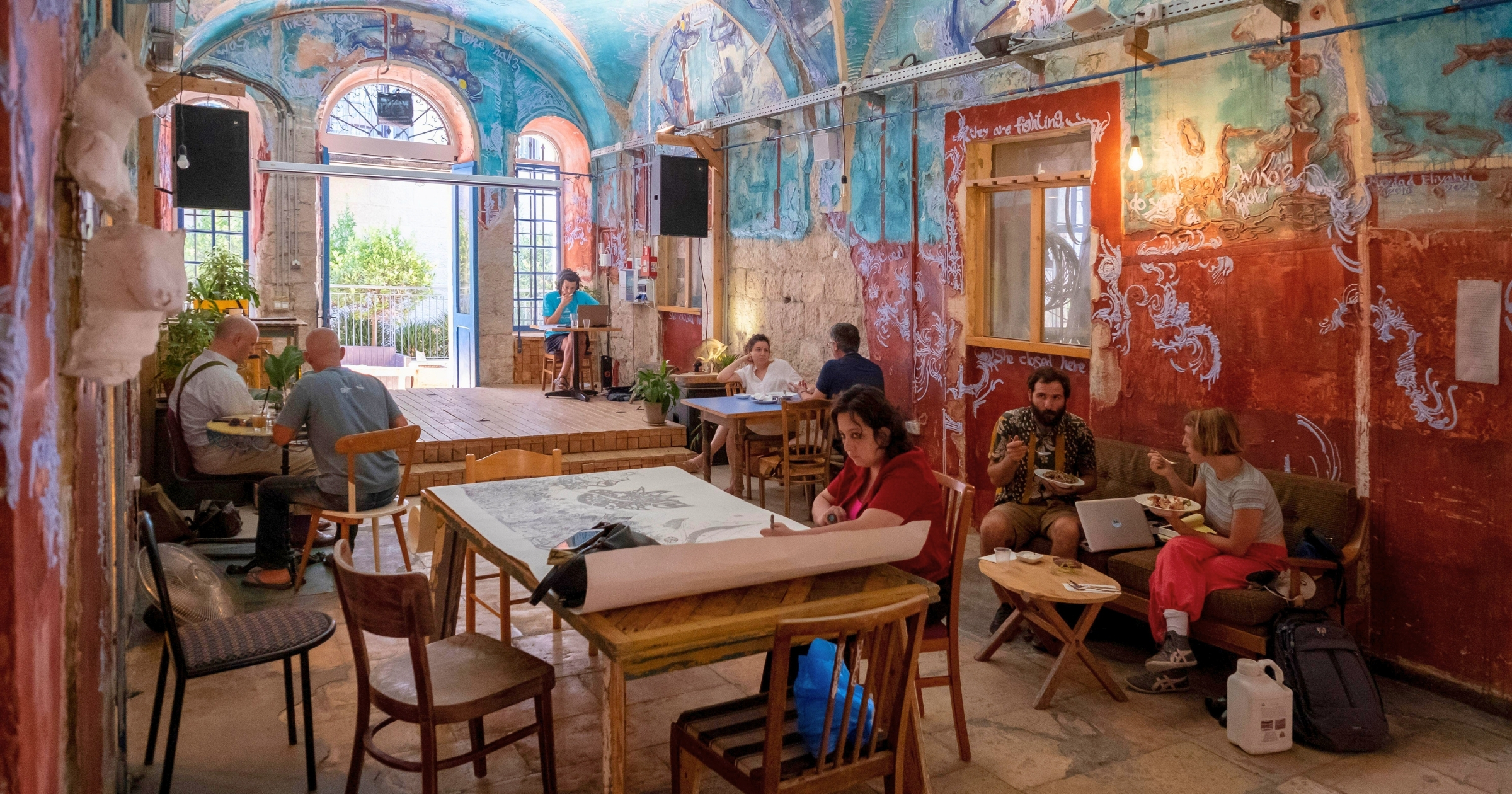
At the edge of the garden, a small break in the mosaic wall leads to the back entrance of HaMiffal (The Factory), which is part of a social innovation trend in Jerusalem that sees old buildings turned into vibrant art hubs. HaMiffal houses artists in residence, performances, a cafe and bar as well as exhibitions in magnificently restored rooms with original floor tiles and painted ceilings.
Nahalat Shiv’a
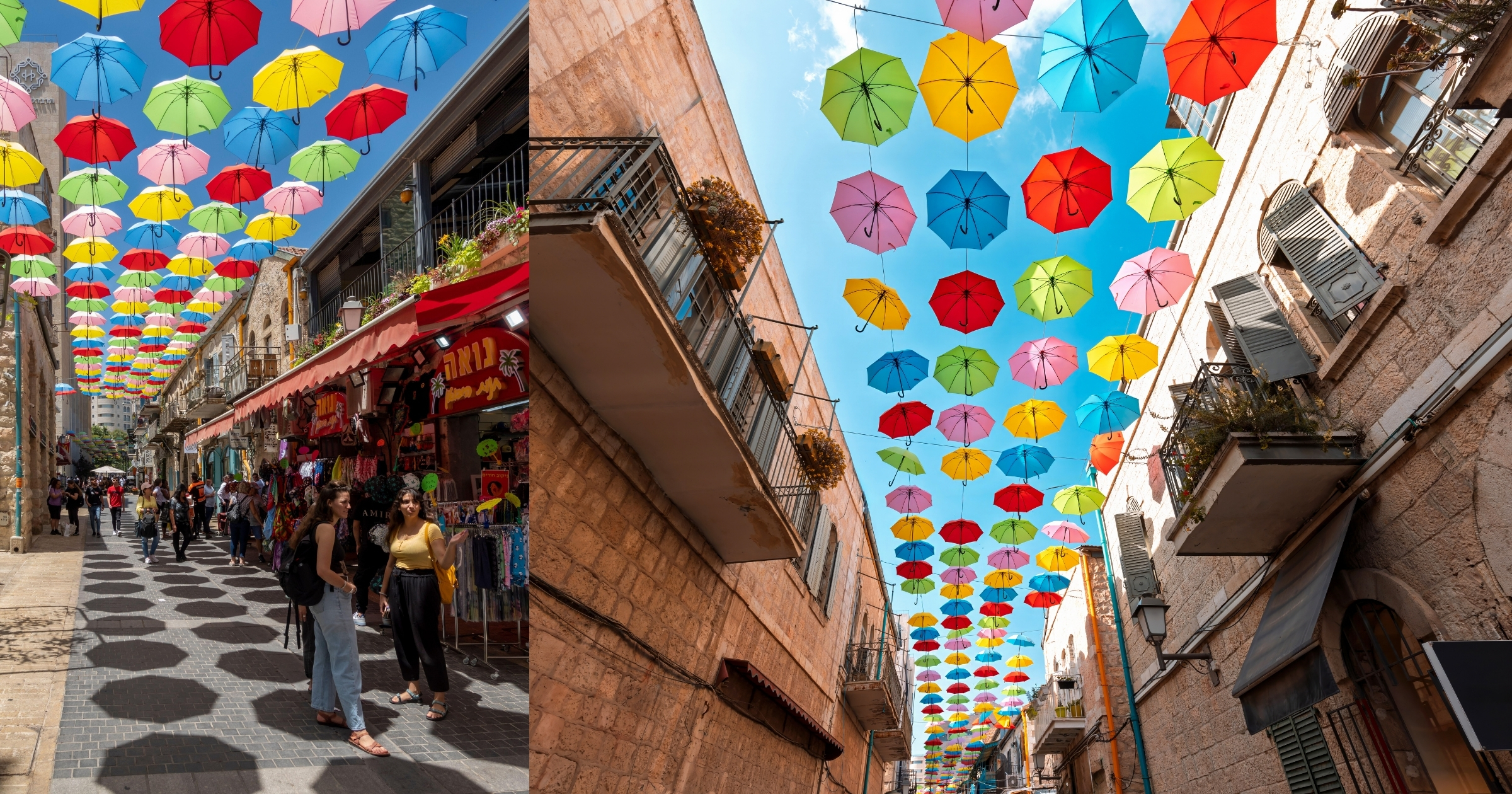
Nahalat Shiv’a was founded in 1869 by seven businessmen from elite Jerusalem families. You’ll see their names—Yosef Rivlin, Yoel Moshe Salomon, Yehoshua Yellin, Michal HaCohen, Binyamin Salant, Haim Halevi and Aryeh Leib Horowitz—on the distinctive Jerusalem Armenian ceramic street signs inlaid in buildings throughout the area they helped settle. Nahalat Shiv’a starts at the tip of Zion Square and is nestled between Jaffa Street, Yosef Rivlin Street and the pedestrian Yoel Moshe Salomon Street, which is lined with artisan craft and jewelry shops and funky souvenir stores.
Nahalat Shiv’a’s streets and alleys are packed with cafes and globally inspired eateries. The beloved Tmol Shilshom (Only Yesterday) cafe and bookshop on Yoel Moshe Salomon Street is named after the eponymous 1945 novel by celebrated Israeli writer S.Y. Agnon.
There are four museums in the vicinity: The Museum of Tolerance Jerusalem, the Hebrew Music Museum, the Friends of Zion Museum and the Umberto Nahon Museum of Italian Art.
Beit David
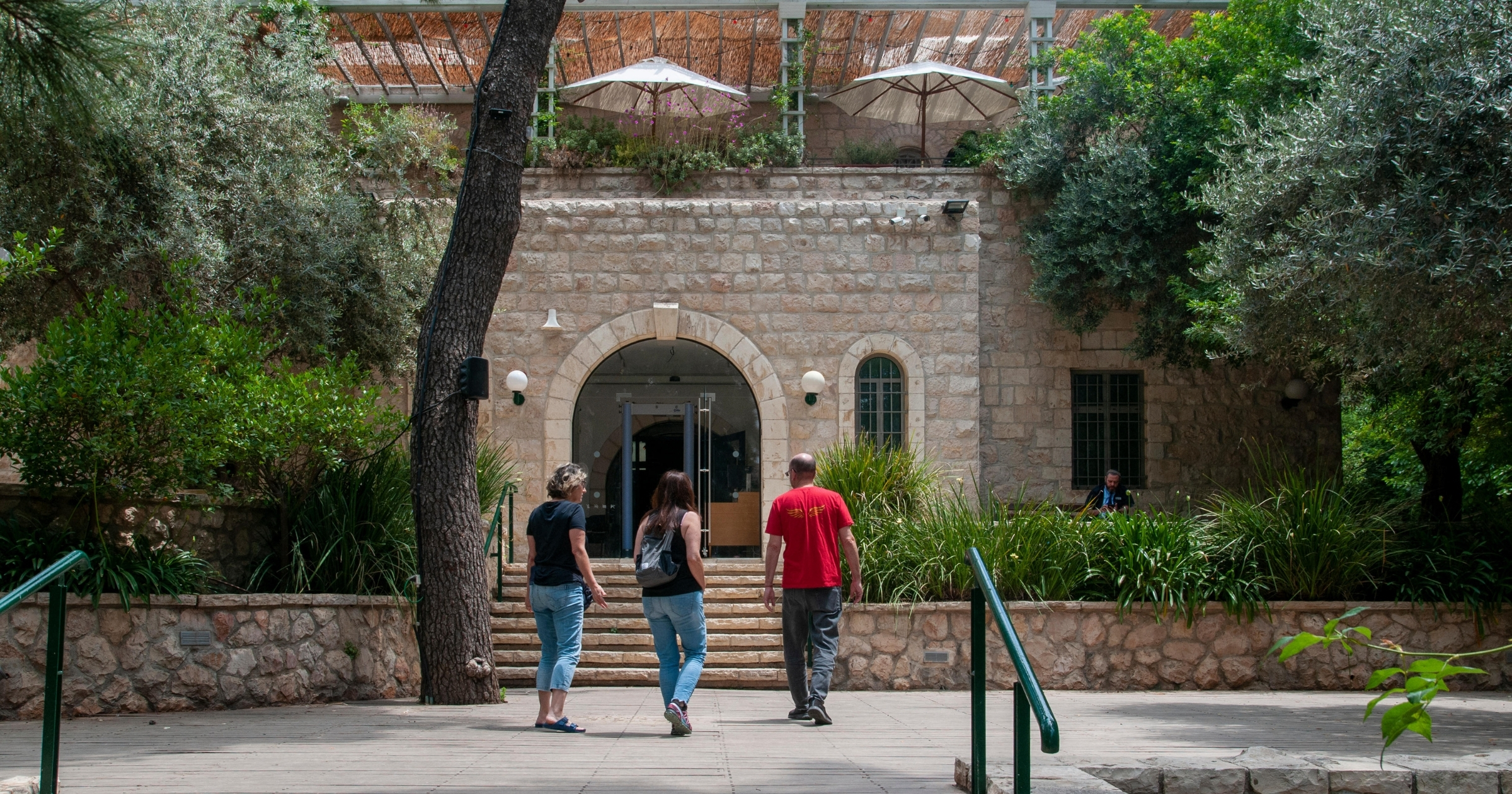
Beit David, named for philanthropist David Reis, follows a typical courtyard design—a common Ottoman-era architectural plan with one-story apartment buildings constructed at right angles to one another and their entrances opening onto a shared inner courtyard. Entry to the courtyard was through a gate, locked at night. When Beit David opened in 1872, there were 10 apartments (to ensure a minyan), a water cistern and a synagogue.
Today, this tiny courtyard is effectively part of downtown Jerusalem, just a short walk from the light rail on Jaffa Road, yet it remains one of the city’s best-preserved early neighborhoods.
In 1921, Rabbi Abraham Isaac Kook, who was appointed the first Ashkenazi chief rabbi of British Mandatory Palestine, chose Beit David as his official residence. A second story was added to accommodate his home, office, synagogue and the Mercaz HaRav yeshiva.
Beit David’s courtyard is not open to visitors but can be seen from above during a visit to the HaRav Kook House Museum, which presents his life, work and legacy as one of the fathers of religious Zionism.
The celebrated ophthalmologist Dr. Avraham (Albert) Ticho and his wife, Anna, an artist known for her watercolors and drawings of the Jerusalem Hills, purchased an Ottoman-era house next door to Beit David in 1924. Today known as Ticho House, the residence and garden are part of the Israel Museum and contain exhibits as well as a restaurant on the beautifully restored second floor.
Nearby, on HaNevi’im Street, is the site of Rothschild Hospital, which moved there from the Old City in 1888. In 1918, the building was turned over to Henrietta Szold’s six-year-old organization, Hadassah, becoming the first Hadassah hospital after the group had operated health clinics around Jerusalem since 1913. When the hospital moved to Mount Scopus in 1936, Hadassah established in the same spot the Alice L. Seligsberg Trade School for Girls, named after one of its former presidents. That institute evolved into the Hadassah College of Technology and the Hadassah Academic College; today, no longer part of Hadassah, it is the Jerusalem Multidisciplinary College.
Mea Shearim
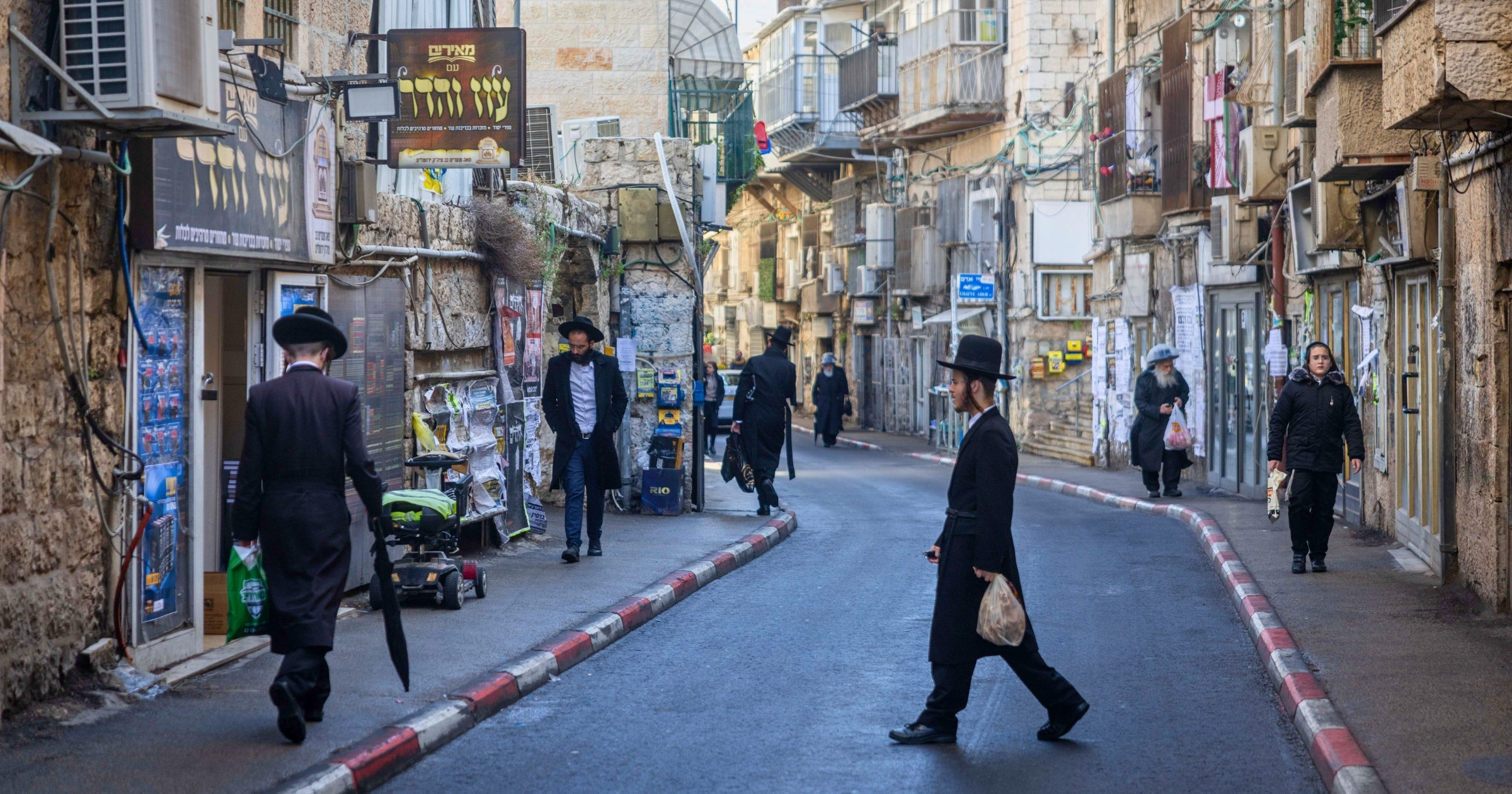
Mea Shearim is known less now as the fifth and largest of the original neighborhoods outside the Old City and more as the prototypical ultra-Orthodox enclave. It was founded in 1874 by an association of 100 shareholders who pooled their resources to buy land and build homes under favorable terms.
Mea Shearim was laid out as a cluster of stone houses around enclosed courtyards, with six gates that were locked at night. Its historic core roughly follows the modern streets of Mea Shearim, HaRav Shmuel Salant, Avraham Mi-Slonim and Shlomo Zalman Baharan.
More than 150 years later, visitors will still get a sense of the original courtyard construction in the narrow passageways and small inner squares. They should also expect to be met with prominent signs exhorting all to dress and behave modestly. Some tourists choose not to visit insular areas such as Mea Shearim, where casual sightseeing might feel intrusive.
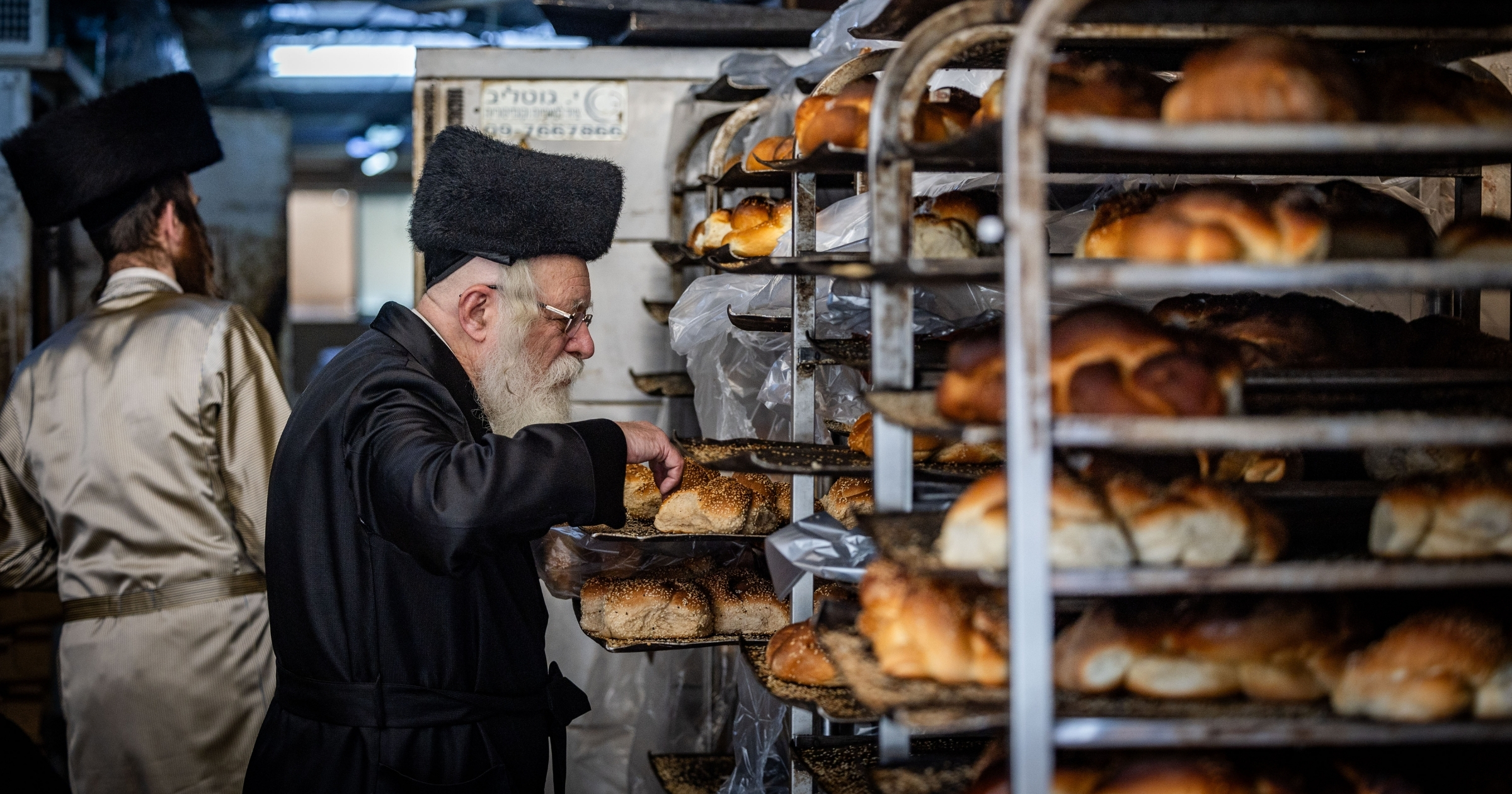
In recent years, however, culinary walking tours have sprung up, especially on Thursday nights, drawing visitors to buy Shabbat food, sample cholent and kugel, and breathe in the warm aroma of challah, rugelach and other baked goods that spill out from Mea Shearim’s bakeries.
Ruth Schiller is a certified Israeli tour guide and a Ph.D. student in nonprofit management at the Hebrew University of Jerusalem. Find her online at jeruthalem.com.
 Facebook
 Instagram
 Twitter

Leave a Reply