



Being Jewish


Sharon Nazarian Isn’t Done Fighting Antisemitism
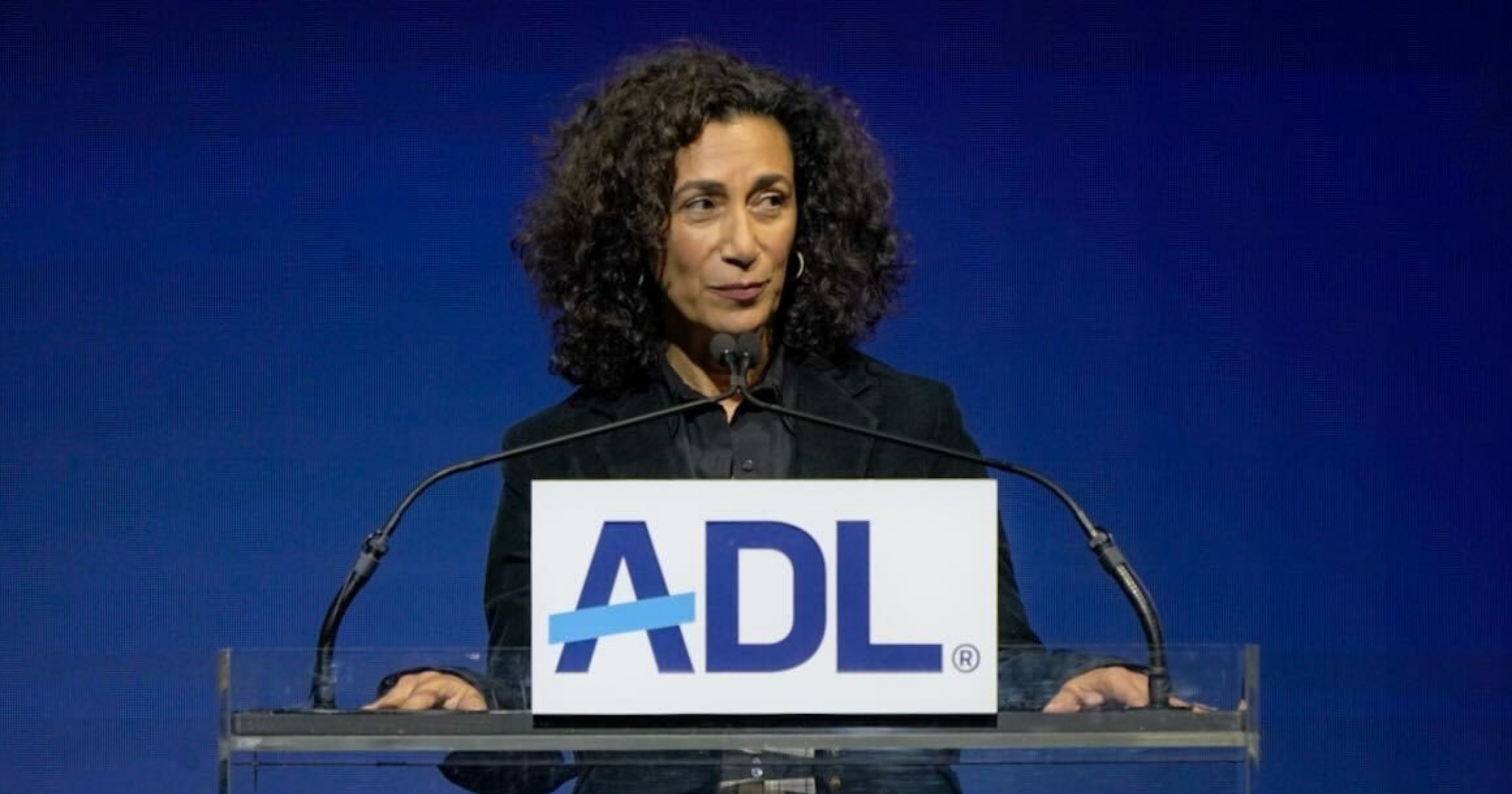
Sharon Nazarian is among the most outspoken Iranian American Jewish voices against antisemitism. As a vice chair of the Anti-Defamation League’s national board and, from 2017 to 2022, its senior vice president of international affairs, she is deeply engaged in the fight against anti-Jewish bias and racial hatred worldwide because, she says, one inevitably leads to the other. As the Los Angeles resident and mother of three grown children put it: “We always say it starts with the Jews, but it doesn’t end with the Jews.”
Among her high-profile positions, the 58-year-old serves as president of the Los Angeles-based Younes & Soraya Nazarian Family Foundation, which supports educational causes and is named for her parents. The foundation also runs a regional office in Israel. The elder Nazarians fled Iran with Sharon and her three siblings in 1978, ahead of the Iranian revolution, first moving to Israel, then later to the United States.
Nazarian earned an undergraduate degree in journalism as well as a master’s and Ph.D. in political science from the University of Southern California, and she founded the Younes & Soraya Nazarian Center for Israel Studies at the University of California, Los Angeles. This interview has been edited for brevity and clarity.
What prompted you to join the fight against antisemitism in such a high-profile way?
Watching that horrific Unite the Right rally in Charlottesville in 2017, an image came to me from my childhood in Iran, where I saw the annual ritual in Shiite communities of commemorating the death of the Prophet Muhammad by self-flagellation. Those men with the tiki torches, saying “Jews will not replace us,” brought up the same fear and trauma of being part of a Jewish family in a very small minority and vulnerable community. My life trajectory was very much affected because of the experience I had in Iran.
How did you feel when the United States and Israel first struck Iran on February 28?
It was the Shabbat before Purim, and I was in synagogue when it happened. It was my father’s yahrzeit, and I was on the bimah. So it was like all these symbolic things coming together—a watershed moment for so many of us in the Iranian community, where we felt at least maybe the noose that’s been around the neck of Iranians both inside and outside Iran got a little bit looser, and maybe there’s some hope.
And what about now?
Obviously, we’re in a different place now. It’s not as sure there’s going to be any toppling of the regime. Iran is definitely weaker militarily and, hopefully, its suppressive power has also been weakened, but it’s a very momentous time with a lot of anxiety along with hope. My hope is that this war will leave the regime so weak that the people of Iran can come out in the streets as they’ve been wanting to do and have done over and over again. The worst thing that could happen is to leave things midway, leaving behind a vengeful, bloodthirsty regime that will be multiple times worse than it was before all this started.
Have you heard reports regarding the Jews in Iran today?
After the 12-day war between Israel and Iran in June 2025, there was a huge increase in arrests of Jews in Iran—over 300—and many of them were accused of espionage. This time around, we haven’t heard of anything like that. What we are hearing is that the Jewish community, along with other minority faith communities, are just having a posture of head down, stay out of the way, don’t attract attention. They’ve communicated with the Jewish community outside, “Please don’t bring attention to us. Don’t advocate for our plight right now.”
Avi Dresner is a journalist, documentarian, screenwriter and executive director of Black-Jewish Reconciliation: (Re)Building The Bridge.
 Facebook
 Instagram
 Twitter
Leave a Reply