



Being Jewish


How Cinnamon Preserved My Sephardic Family’s Story
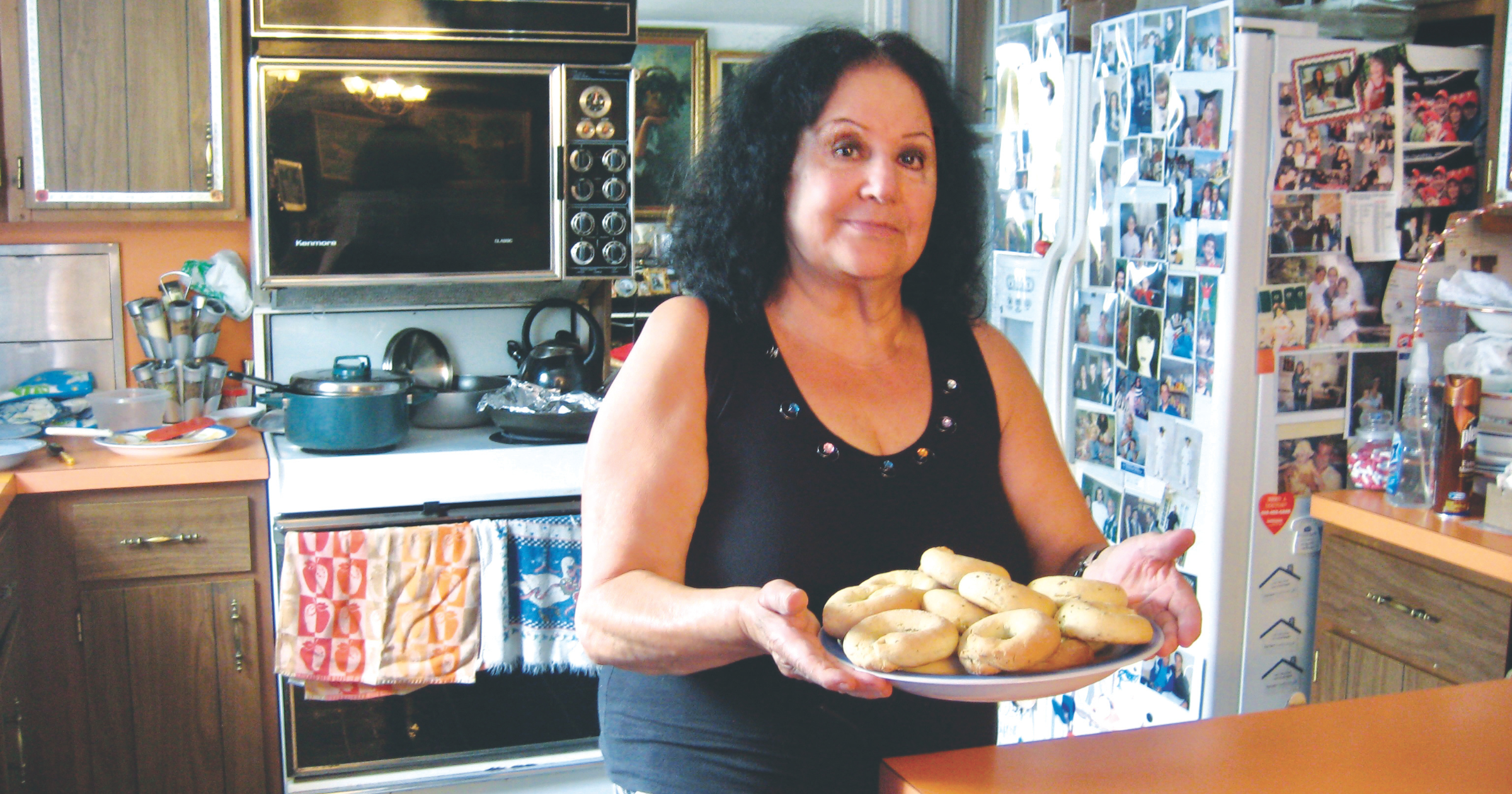
My mother gestured toward her salads, a kaleidoscope of colors, spices and textures. “Mix the unexpected,” she said. “Jam from sweet baby eggplants and walnuts, tagines with saffron and za’atar.”
Through the window, it was snowing. We were in Pennsylvania on a cold winter day, and here was my mother cooking her specialties as if we were still in Morocco.
“And, ma fille,” she added in French. “Remember the importance of cinnamon.”
As an American teenager, I used to roll my eyes when my mother, Rosine, invoked cinnamon as a wonder spice. But decades later, I heard myself telling my American-born children to sprinkle cinnamon in everything—from coffee to chili to meat, couscous and desserts, to add it to honey to cure colds—and watched them roll their eyes.
Cinnamon’s story reaches back into our oldest texts. The English word comes from the Greek kinnamon, borrowed from Hebrew and Phoenician. In the Bible, Moses is commanded to use sweet cinnamon and cassia in the holy oil used to anoint the Tabernacle and its furnishings. In Proverbs, the lover’s bed is perfumed with myrrh, aloe and cinnamon.
Greek historian Herodotus wrote of cinnamon sticks carried by great birds to their nests high on cliffs. People, he claimed, would leave slabs of meat below; the birds would snatch them, dropping cinnamon down to where humans could gather it. Scholars smile at his story, but I love the image of those birds, beaks full of spice, decorating their homes.
For centuries, cinnamon was rare and precious. Ancient Egyptians used it in embalming. Medieval healers turned to it for sore throats and bites. Chefs around the world used it to preserve meat. Even remorse was measured in spice: After Nero killed his wife, he ordered a year’s supply of cinnamon burned on her funeral pyre. This little tube, this sweet wood stick, has perfumed both life and death.
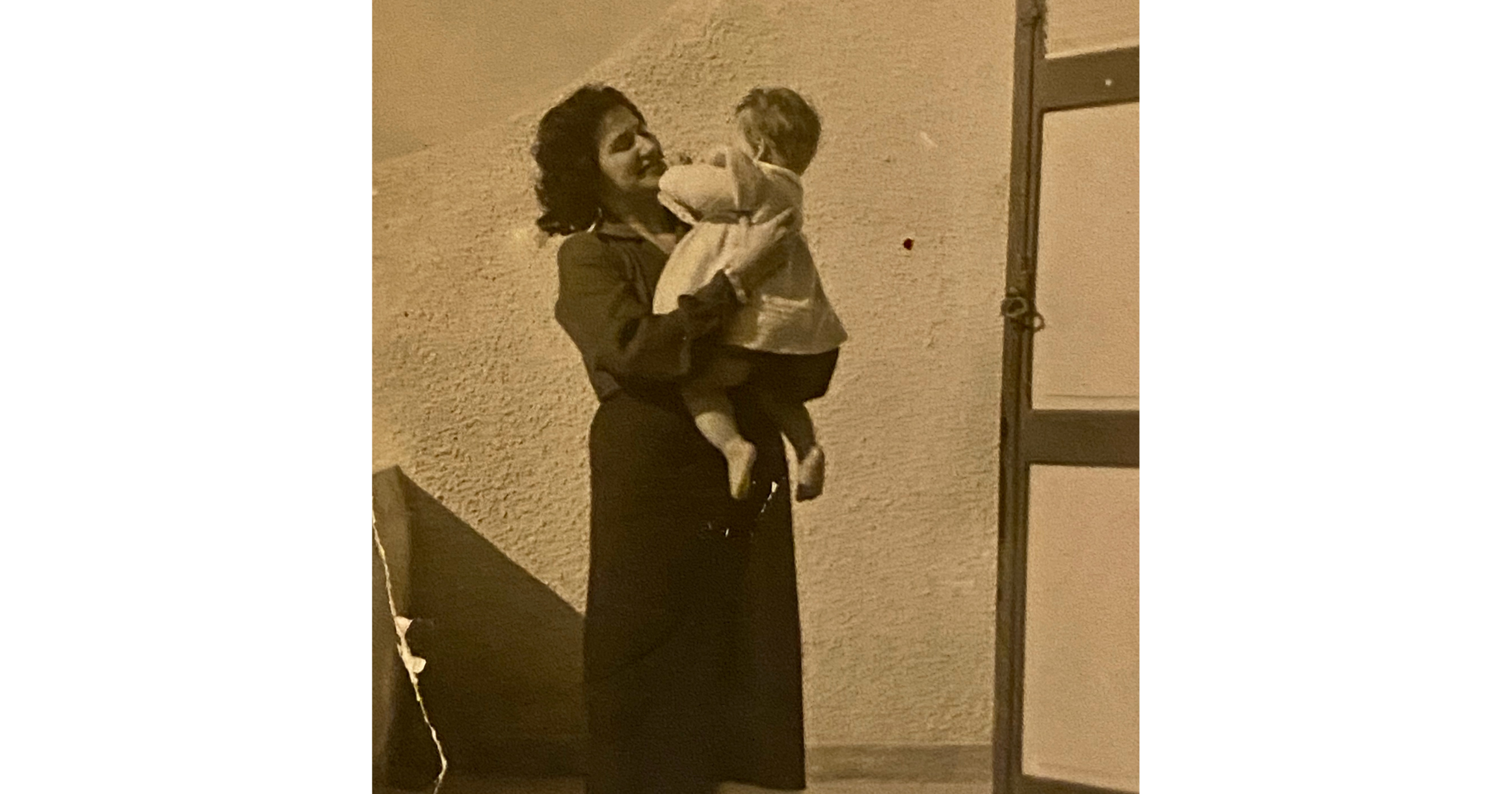
In my world, cinnamon perfumed dinner. My parents, my sister and I came to America from Safi, on the Atlantic coast of Morocco. We were part of a wave of Sephardic and Mizrahi Jews whose story has never quite fit the American Jewish narrative—no Ellis Island, no Lower East Side, no Yiddish theater.
Our immigration story smelled different, too. It smelled of cinnamon, cumin and coriander and slow-cooked dafina, a Shabbat stew similar to cholent. On winter evenings in Pennsylvania, I’d come in from the cold, and the kitchen aromas would hit me like an embrace. My mother had carried Morocco across the Atlantic in her hands, and she rebuilt it, one meal at a time, with American appliances and spices she had to hunt down. The kitchen was her country. Cinnamon was its flag.
Cinnamon is the symbol of what I consider the greatest quality of Sephardic food—what I call the “dash.” A Sephardic meal often weaves sweet and savory together, like dashes linking ingredients rather than periods separating them.
We all carry foods that bear the imprint of memory. Egyptian-born Jewish writer André Aciman has described walking through New York City and being consumed by longing when he passed a certain falafel stand. Its smell matched not Egypt itself, he realized, but his memory of Egypt more closely than the falafel he tasted on his return trip to the country.
For Lucette Lagnado, another Egyptian Sephardic writer, it was apricots. In her memoir, The Man in the White Sharkskin Suit, her grandmother feeds a mysteriously sick uncle mounds of apricots and rice topped with mishmish, apricots cooked down into syrup. After a month of this “treatment,” he returns to the doctor completely cured—and 50 pounds heavier. Sephardic literature is crowded with such patients whose ailments yield more readily to food and spells than to doctors.
My own parents believed as fiercely in spices as in prescriptions. When we misbehaved, they shouted a curse that sounded terrifying: espèce de za’atar! Years later, we learned they were calling us oregano. My mother prescribed za’atar—a Middle Eastern blend often seen as the descendant of biblical hyssop—for fevers, blisters, stomachaches, viruses and infections. And cinnamon for everything else. In this, she was no different from the Moroccan grandmothers she’d left behind, except that here, in America, her remedies existed alongside CVS and urgent care, and she chose the cinnamon and za’atar almost every time.
Like a magic carpet, spices transport us to other shores and other times. Sometimes on a summer evening, I step onto a balcony, and the air is so still, the sky so deeply blue, it could be North Africa, and I smell fresh mint leaves—where none in fact grow. In that instant, I see my grandfather on his rooftop in Safi, pouring tea into tiny glasses crammed with mint and sugar.
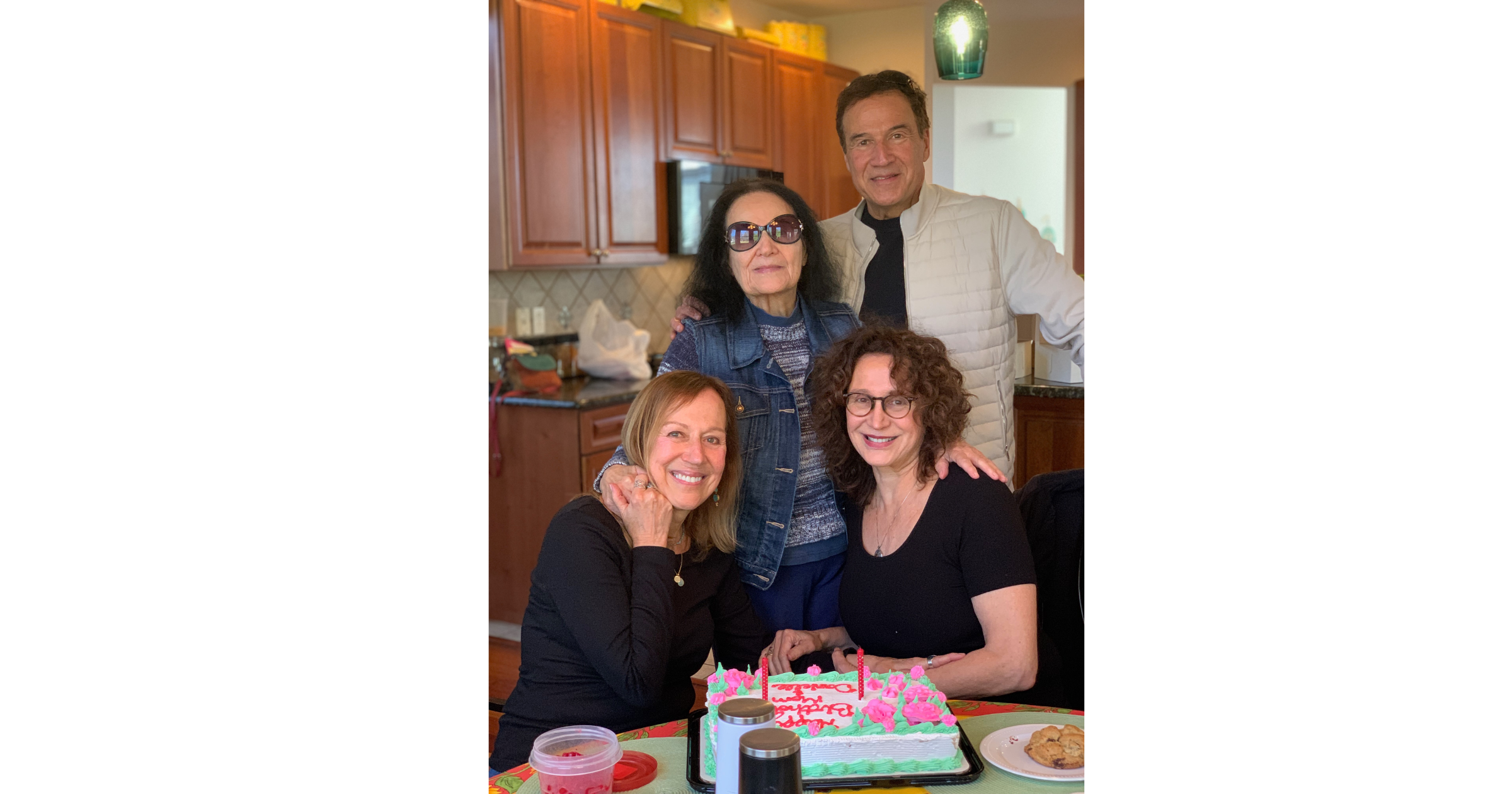
Or I catch a scent of orange blossom water and I’m back in my grandparents’ salon arabe in Casablanca while my aunt reads my tea leaves. “You will have three children,” she told me when I was 17 and had no plans to marry. I did marry. I did have three children.
“You will love the wrong man,” she added, “and if you survive him, you will love the right man.” Tata, I did.
And then there is cinnamon, the most powerful scent of all, my Proustian madeleine. Sometimes I become overwhelmed by its sharp, almost unbearably sweet perfume. With it come layers of memory that are not only my own but my mother’s.
I see her as a little girl walking with her family to the beach. It’s Shabbat, and her mother has cooked dafina. The family spreads blankets on golden sand. Birds shriek, and the Atlantic wind blows.
Her mother opens the pot, and all the fragrances rise: garlic, cumin, coriander, chili flakes, cardamom, brown sugar. She stirs with the brass key to the door of their ancestors’ house in Toledo, Spain—the house they lived in before they fled the Inquisition and crossed the Strait of Gibraltar to Morocco.
But my mother waits for the most exciting part.
Her mother unties the white handkerchief in which cinnamon-scented, saffron-threaded rice has cooked overnight. The scent escapes into the air and, in my imagination, is immediately caught as cinnamon sticks in the beaks of the birds, who carry them across the ocean to the Atlantic coast of New Jersey, where I wait to catch them in my hands.
Last Rosh Hashanah, my children, now adults living in Los Angeles, called and texted with questions about my mother’s recipes for dafina, b’steeya and cinnamon dusted cookies. They were cooking from her self-published recipe collection, Rosine’s Cuisine, creating Moroccan feasts for my grandchildren.
Three generations now, cooking Moroccan in American kitchens—from my mother’s first uncertain experiments in Pennsylvania to my children’s holidays in Los Angeles. A dash of cinnamon reaches even further back, to that windy rooftop where my grandfather pours tea, and further still, to a house in Spain, whose door is still opened, in my mind, by a brass key.
No, Maman, I’ll never forget the importance of cinnamon.
Ruth Knafo Setton was born in Morocco. She is the award-winning author of the novels The Road to Fez and Zigzag Girl, a finalist for the International Thriller Writers Award. A National Endowment for the Arts fellow, she has taught creative writing and Jewish literature at Lehigh University and on Semester at Sea.
 Facebook
 Instagram
 Twitter

Leave a Reply