



The Jewish Traveler


A Rising Tide of Jewish Visibility in Annapolis
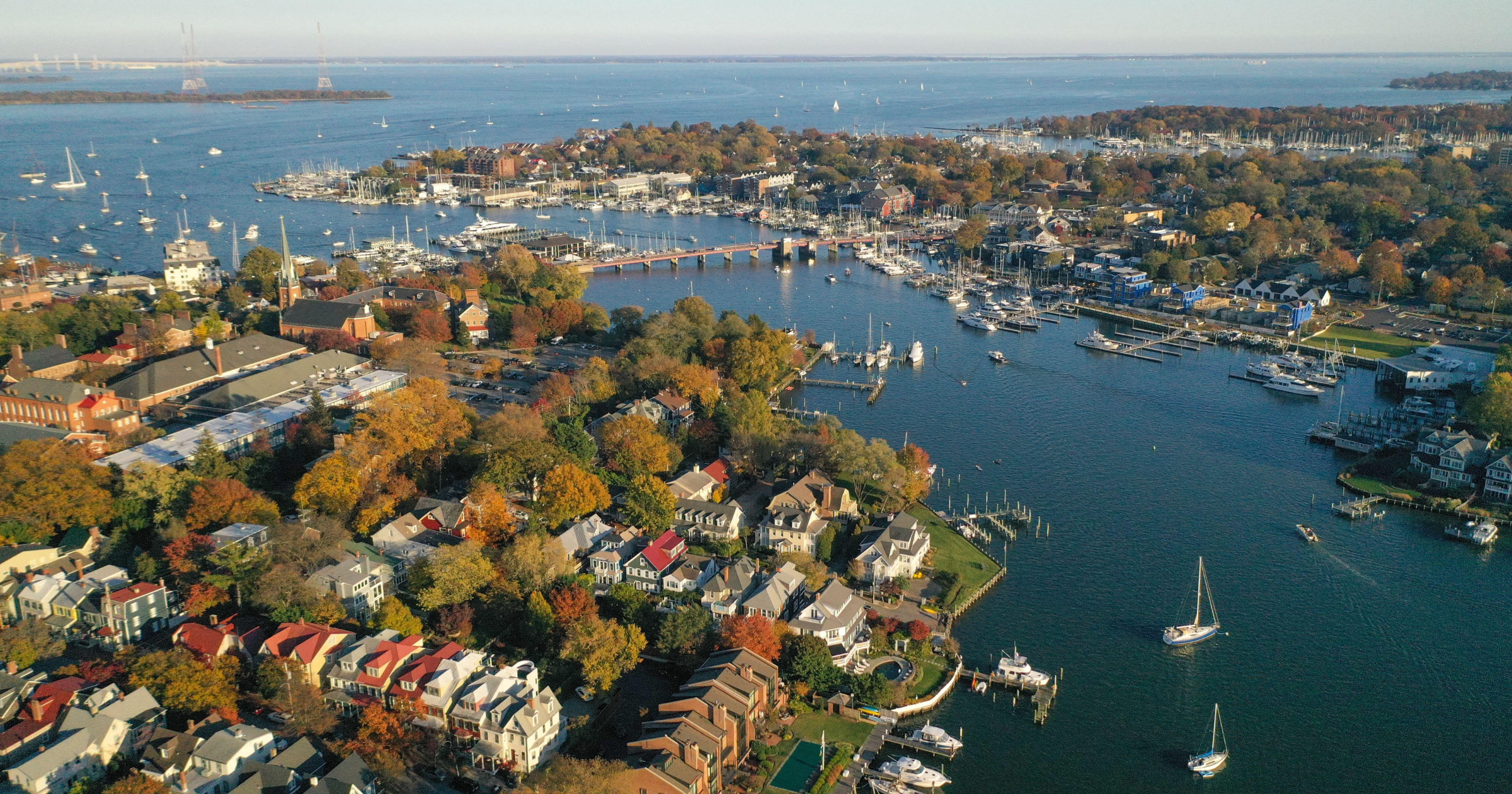
About a half-hour outside Annapolis, it becomes clear why the United States government chose this area in the mid-19th century for its naval academy. Navigating the territory—an interplay of lush greenery and watery inlets—requires either a boat or myriad bridges, the most memorable of which is the Bay Bridge, a series of arches soaring high above Chesapeake Bay.
Just a short sail up those waters is bustling, urban Baltimore. But Annapolis has a wholly different character, an inviting mix of coastal and southern charm. With a blossoming Jewish community, rich colonial heritage, a distinctive naval culture and a convenient Eastern Seaboard location, Annapolis makes an ideal weekend getaway or day trip from Baltimore or Washington, D.C.
Bisected by Spa Creek and ringed with ferry and boat docks, the city center is crisscrossed by brick-paved streets reminiscent of New England harbor towns. Venturing further, I found tidy back streets dotted with prim houses and fronted by dogwood and magnolia trees. Boulevards lined with red-brick institutions lend grandeur and remind visitors that Annapolis, founded in 1649, is Maryland’s capital—and was briefly the nation’s, during the Revolutionary War.
The city is especially good for families. Downtown is compact enough to stroll in a half-hour. Small, inviting museums hold youngsters’ interest, and all ages can enjoy a cruise around the harbor.
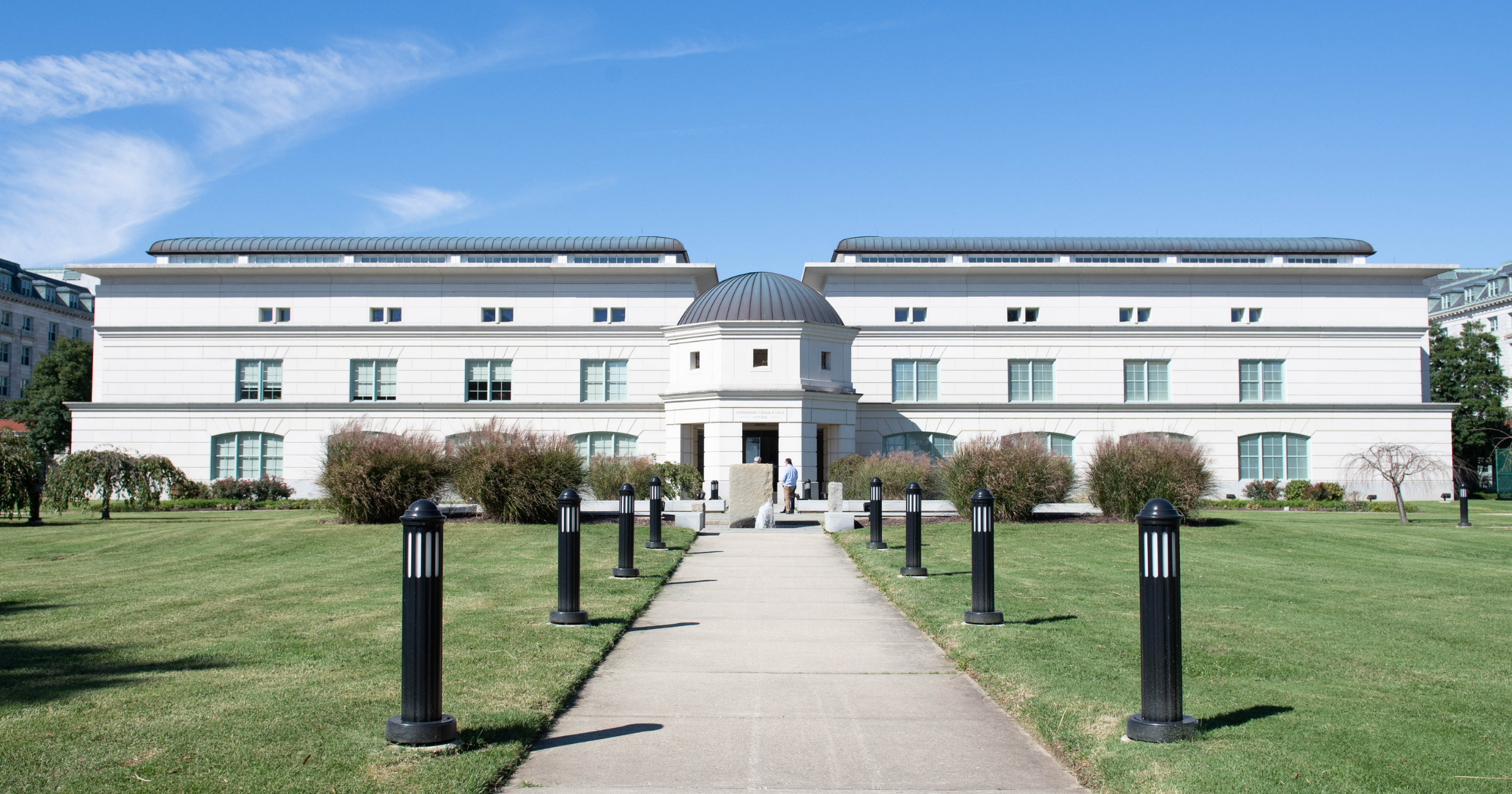
Annapolis is a two-company town whose seasonal rhythms are guided by the governing done in Maryland’s State House—America’s oldest capitol building—and the United States Naval Academy, home to 4,500 midshipmen (as naval undergraduates are known) as well as a museum and impressive grounds.
A highlight is the Commodore Uriah P. Levy Center and Jewish Chapel, which opened in 2005 as a hub of Jewish life for the academy’s Jewish midshipmen. The center honors Levy, the first Jewish commodore to serve in the United States Navy, who inspired generations of Jewish mariners by famously declaring: “I am an American, a sailor, a Jew.”
Born in Philadelphia in 1792, Levy was descended from Sephardic Jews who fled Spain and, later, were among the first Jewish families to settle in the New World, helping to found the city of Savannah, Ga. Levy’s career was distinguished by his campaign to end corporal punishment in the Navy and by his service in the War of 1812. At one point, he also owned Monticello, Thomas Jefferson’s estate in Charlottesville, Va., whose architecture was the inspiration for the building’s entrance pavilion.
The Levy Center was a belated resource for a Jewish population that has played an active role in the region’s civic life since the 1600s, though the first and only congregation in Annapolis proper, Kneseth Israel, established its egalitarian community in the early 1900s.
Jews comprise nearly 4 percent of Maryland’s population, the fifth highest nationally by percentage. Baltimore may be the more famous hub of Jewish life, but plenty of Jews have made their mark in Annapolis, too. Apart from Levy, they include naval graduates like Albert Michaelson, an 1873 ensign who became the first American to win a Nobel Prize in physics; and former Virginia Congresswoman Elaine Luria, who served 20 years in the Navy and rose to the rank of commander, and whose mother was active in Hadassah.
The launch this year of the Jewish Federation of Annapolis & the Chesapeake, which coalesced with an initial focus on security and antisemitism, has newly invigorated Annapolis’s roughly 2,000-strong Jewish community, which includes Conservative and Reform congregations in the area. The vibrant Hadassah Annapolis chapter has over 300 members who meet monthly.
This year’s annual Maryland Jewish Advocacy Day in February saw 60 Annapolis federation volunteers alongside more established Jewish organizations, a testament to the rising visibility of the region’s Jewish community. And 2026 marked the debut of Jewish Legislative Shadow Day, which brought teens from the Annapolis area to the capitol to meet Jewish elected officials.
IF YOU GO
Watermark offers a variety of reasonably priced cruises showcasing Annapolis from a sailor’s perspective—from a sunset cruise to 40-minute daytime tours of the city’s waterfront, the Naval Academy and other points of interest along the shore. For those unable to visit the academy grounds, Watermark’s harbor cruise offers the next-best look. The company also runs hourlong walking tours of colonial Annapolis, highlighting the history around virtually every corner.
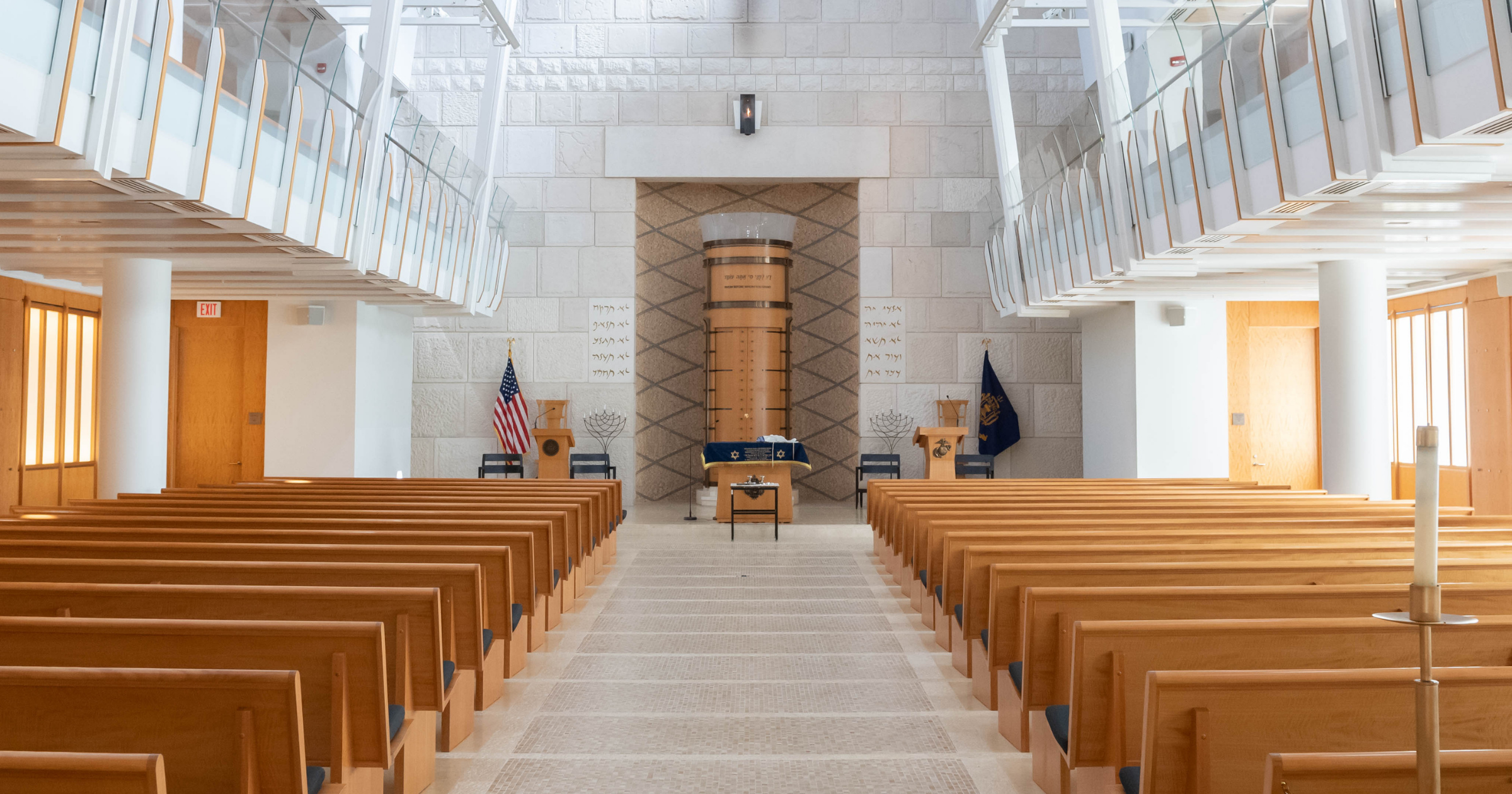
The United States Naval Academy Museum draws over 100,000 people annually to a campus dotted with historical monuments. The academy maintains its own tourism website, with suggested itineraries that give a feel for the midshipmen experience. A highlight of any campus visit is a tour of the Commodore Uriah P. Levy Center and Jewish Chapel, the nexus of campus Jewish life. The chapel features a 45-foot-high replica of Jerusalem’s Western Wall, crafted from Jerusalem stone. When it opened, it won the 2006 Honor Award in the institutional category from the American Institute of Architects’ Maryland chapter.
The Museum of Historic Annapolis, near the wharf, illuminates details that have earned the city a unique place in American history—from its own Revolutionary-era anti-tax Tea Party and eight-month star turn as America’s capital in the 1780s to its historically multiracial civil rights contributions. In a city named for a woman—England’s Queen Anne—the museum also highlights prominent female leaders, including Anne Catherine Hoof Green, who took over the Maryland Gazette in 1767 following her husband’s death, becoming one of the continent’s first women to edit and publish a newspaper.
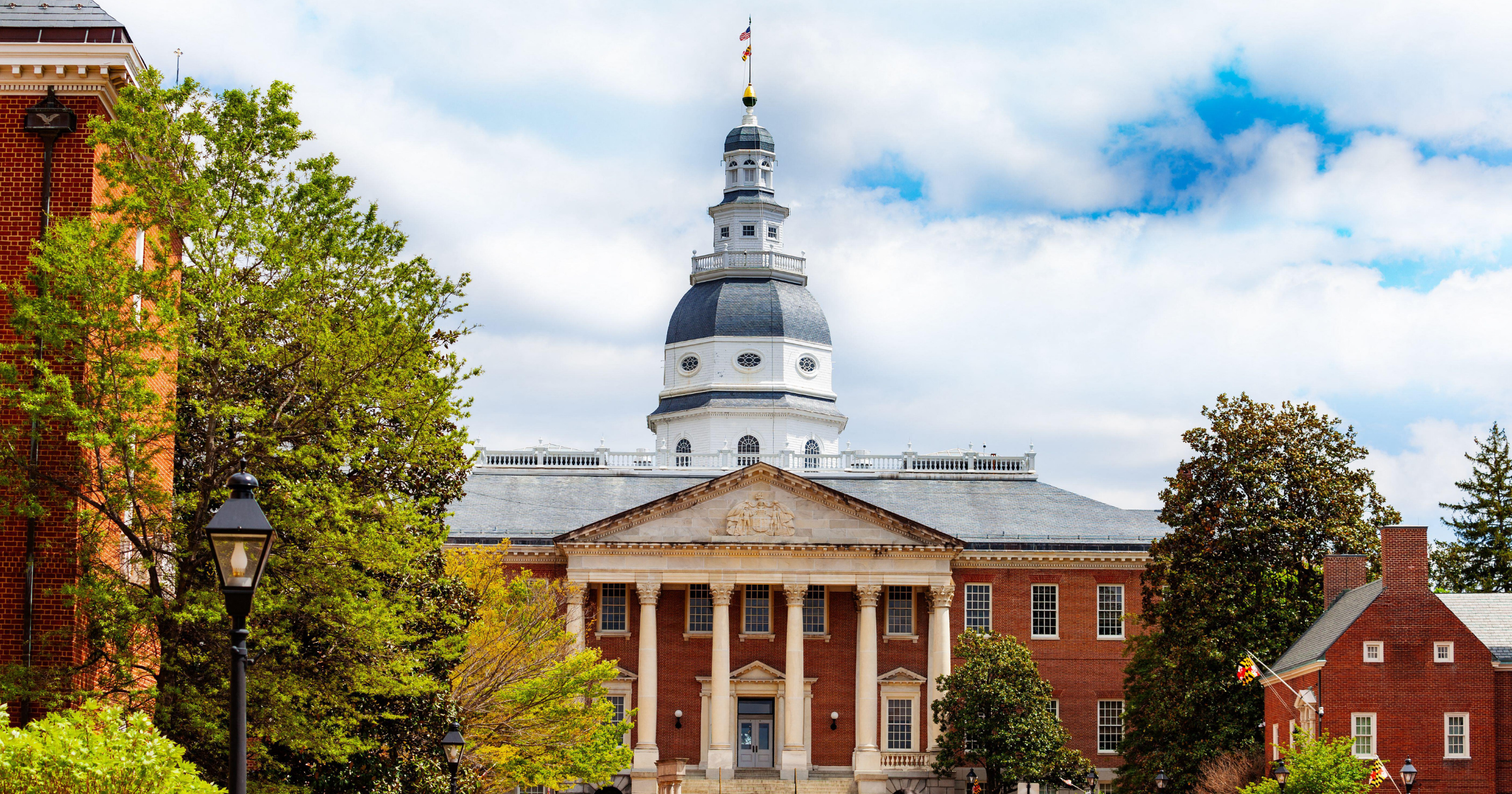
Maryland’s circa-1790 columned State House is a popular attraction. The building hosted the Continental Congress during Annapolis’s stint as temporary capital. Indeed, it was there that George Washington famously resigned his commission as commander-in-chief. The building’s octagonal wooden dome is topped by a lightning rod invented by Benjamin Franklin, and its fence was originally installed to keep out cattle.
The William Paca House and Gardens is the historic home of one of Annapolis’s—and America’s—Founding Fathers. Paca, one of four Maryland signatories of the Declaration of Independence, built this Georgian-style mansion in the 1760s, complete with formal British gardens.
Hilary Danailova writes about travel, culture, politics and lifestyle for numerous publications.
 Facebook
 Instagram
 Twitter

Jennifer Laszlo Mizrahi says
wow! great piece! thanks so much!
Sandra Moskowitz says
Thank you for this article about Annapolis. My sister, brother-in-law, and nephews live in Annapolis. And to top it off, my grandson is committed to the Naval Academy. I live in a Philadelphia suburb, Wayne. I never miss a reason to drive the 2 hours south over the Bay Bridge to visit. It’s a gem.
Paul M Foer says
Thank you. The Jewish angle on the history of the Naval Academy was much appreciated. There is of course a great deal more to it in addition to Uriah Levy, Albert Michaelson and Elaine Luria. Readers might be surprised to know that a handful of buildings and monuments are dedicated to Jewish officers including Ben Moreell, Hyman Rickover and Robert Crown. Please contact me (by web search) if you’d like to learn more or to take a private or small group tour of the academy. Thank you Paul Foer Annapolis, MD