



Books
Non-fiction


REVIEW: ‘Bethlehem Road’
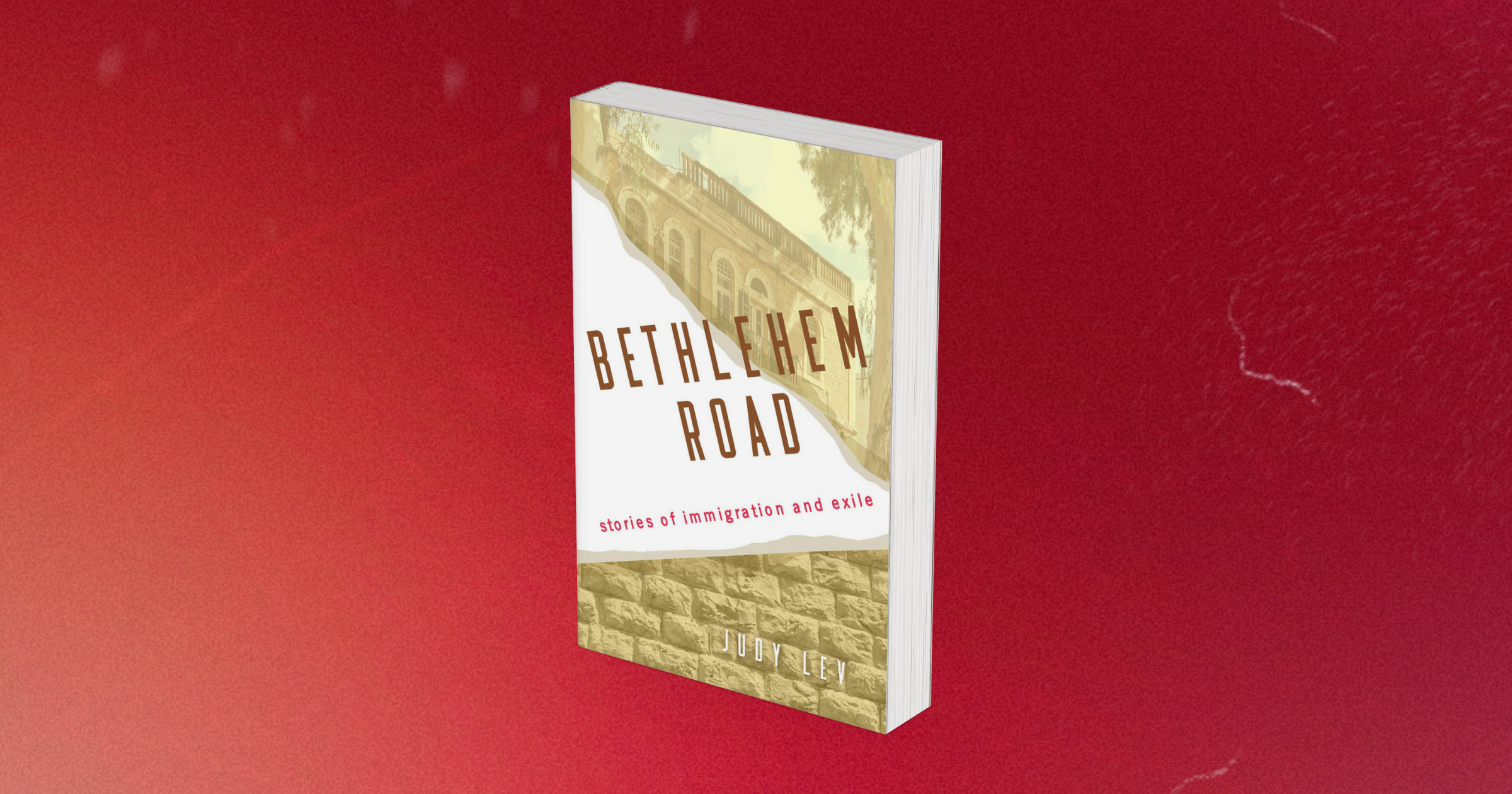
Bethlehem Road in Jerusalem today draws visitors with its falafel stands, bakeries, sidewalk cafes, abundant greenery and magnificent Ottoman-era buildings. That atmospheric charm and vibrancy are perfectly captured in the 12 short stories in Bethlehem Road, the second book by Israeli American author and creative writing teacher Judy Lev (formerly Judy Labensohn).
In Lev’s stories, which span the decades between the 1960s and 1990s, the rhythms of the south Jerusalem neighborhood of Baka feel keenly alive. Behind the buildings’ stone walls, Lev’s colorful characters struggle with love and family life, financial stability and illness. And this being Israel, they also face the outsized challenges of war and terror attacks, and the shared burden of building what was then still a new state while bearing the weight of four millennia of history.
Most of the characters in Bethlehem Road are new not only to the neighborhood, but to the country, too. Lev, born in the United States, is an immigrant to Israel herself, and she captures her protagonists’ complicated lives with precision and grace: the naïve idealism, the arrogance, the loneliness, the ambivalence and, above all, the never-ending search for identity.
In “Ingathering of an Exile,” John, originally from Chicago, accepts a stranger’s decree that he become Yonatan. In “Simon, the Tale of an Aspiring Jew,” the main character has a falling out with religion. In “Get Out of Jail,” Pat, formerly Patsy, is now “Ema,” mother in Hebrew, or “wife of Hezi.”
Immigrants to Israel often measure their level of so-called Israeliness by keeping track of milestones—their first Yom Hazikaron, or Memorial Day, in the country; the first time they take a child to kita aleph, first grade; or when a child receives an army recruitment notice in the mail. Lev skillfully adds to the well-known list those milestones left unspoken, for example, the confession of a protagonist named Laura in the opening paragraph of the story “Law of Return.”
“This was the first time I knew someone who knew someone who was killed in a terrorist attack,” Laura reveals. “It gave me a weird sense of belonging even though I came to build and rebuild, not to kill and be killed.”
There is steady forward movement in the collection. Lev sets her first story during the 1967 Six-Day War and the final story nearly three decades later. Likewise, the ages of the protagonists advance in years. The collection begins with stories of young love, courtship between partners, but also between a young country and its new citizens. As the book continues, each new tale features older and less optimistic characters. When the stories revolve around people who have reached old age, disillusionment with their lives and their country is evident. For example, some characters yearn for former homes in Cleveland or Baghdad or Marrakesh. And then there is the story of an encounter with an Arab man who claims his father owns the home on Bethlehem Road that one character is about to purchase from a Jewish family.
Like its real-life counterpart, Bethlehem Road is a two-way street, simultaneously propelling the reader forward and backward in time. Perhaps it also has the power to reach into our own complicated lives.
Vivian Cohen-Leisorek is an Israeli writer currently working on a memoir of her year volunteering with injured soldiers.
 Facebook
 Instagram
 Twitter

Leave a Reply