



Hadassah
President's Column


The Problem With ‘Normal’
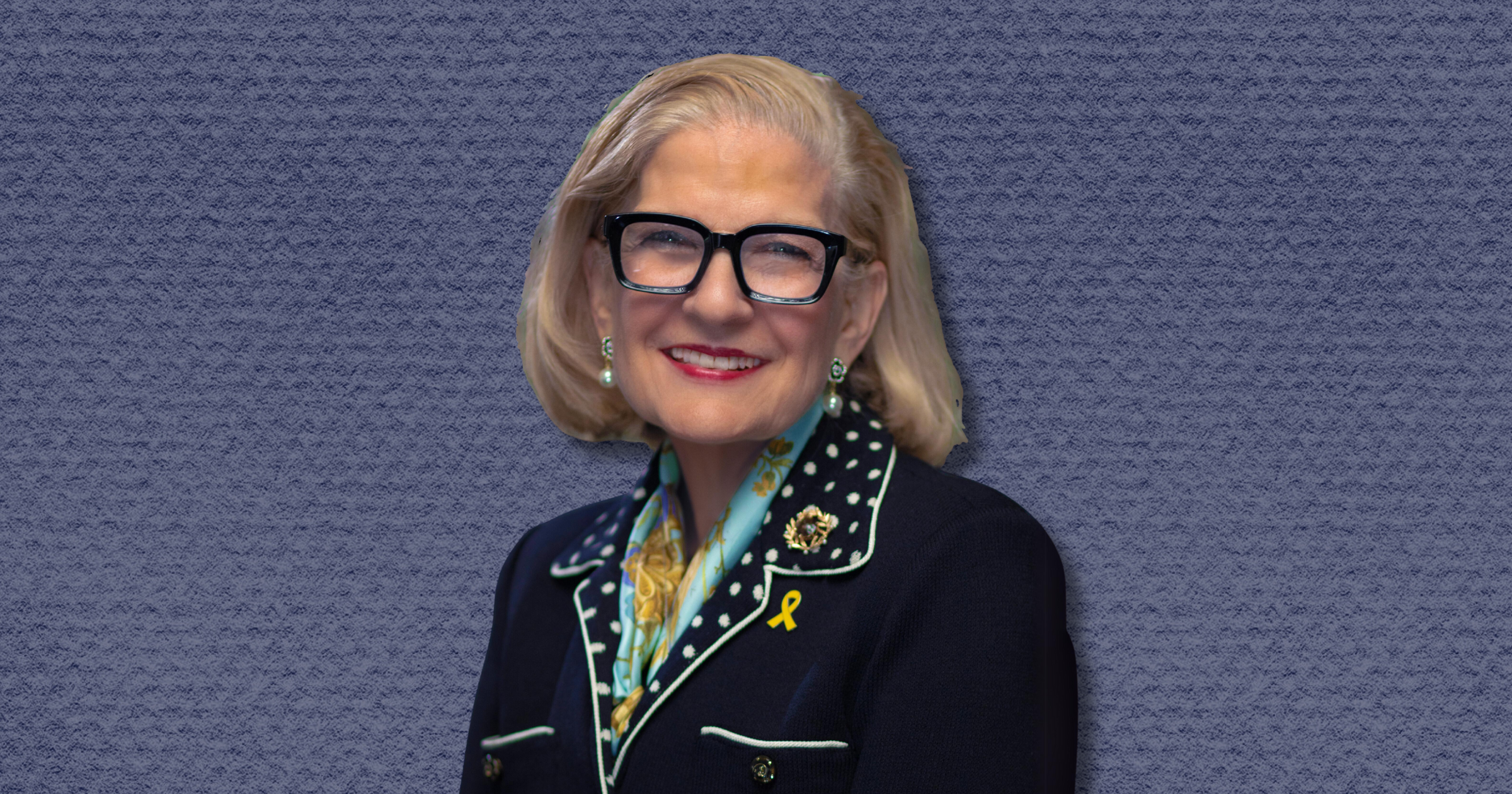
This new year, 2026, began on a Thursday, one of seven utterly normal possibilities. But can we look forward to a normal year? Do any of us even remember what a normal year looks like? The Jewish horizon has been transformed since October 7, 2023, the day we witnessed the worst atrocity against Jewish people since the Holocaust.
Today, despite the return of all the living hostages from Gaza and the cessation of hostilities, despite an Israeli military response that altered the Middle East’s strategic landscape, the impact of October 7 is still with us. It extends to Jewish communities globally, in the face of heightened antisemitism and violence. My heart aches for the entire Jewish community of Sydney, Australia.
Logically, we know that after great dislocations, the world never returns to the way it was but instead moves toward a new normal. Jewish experience teaches us that we are survivors, and that there is value, for us and future generations, in understanding how healing from trauma builds a foundation for memory and resilience.
Hardship and loss can darken any year. Our response is always action. If there’s one thing Hadassah has learned, it is that constant organizing, advocating and building enable us to meet any challenge. When we act, we help shape the next horizon.
This new year, I find it instructive to look back a century, to Hadassah in 1926—an oasis on the calendar between two world wars. By that point, the American Zionist Medical Unit—the 44-member mobile hospital that Hadassah literally shipped to Palestine in 1918—had become the Hadassah Medical Organization. We operated hospitals in Jerusalem, Tel Aviv, Haifa, Safed and Tiberias, part of a Hadassah network that also included clinics, infant welfare stations and dispensaries. Our nursing school was flourishing. In America, our national membership reached 35,000. Looking back, 1926 looks rather idyllic. Calling it “normal” would add little to our understanding.
In building our institutions, we have always been acutely aware of the conditions, challenges, illnesses and injuries that will confront our patients, their families, our staff and the nation. We ensure that suffering of any kind is met with expertise, agility and flexibility.
In Hadassah’s early years, our medical professionals dealt with trachoma, cholera and even bubonic plague. In 1948, we lost our Mount Scopus hospital behind enemy lines. Over the years, we have found ourselves within reach of short-range artillery (which damaged the Chagall Windows at the Abbell Synagogue at Hadassah Hospital Ein Kerem in 1967) and long-range missiles. And, of course, we have weathered repeated rounds of war and terror.
Despite these challenges, HMO has consistently ranked among the leading hospitals in the world. Grateful people from Africa to the Caribbean, in Armenia, Turkey, Ukraine and other lands know and appreciate Hadassah’s outreach in response to medical crises, natural disasters and armed conflicts.
During the last two years, our flexibility has been on display in the form of underground operating and emergency facilities that we had the foresight to build on our two Jerusalem campuses. In the face of war, we were able to accelerate the opening of our Gandel Rehabilitation Center in Mount Scopus and the renovated Round Building in Ein Kerem.
How do we do it? If you are in Hadassah, you know the answer because you are a part of it. Our founding generation helped steer the ship of Jewish activism, nation-building, healing and education. And today our 300,000 members and supporters are just as committed to action and innovation.
In good times and bad, we find inspiration in our long history as a people and comfort in our dedication to one another—and to our work. For the women of Hadassah, “normal” is irrelevant. Our mission is nothing less than enhancing the health and lives of people in Israel, the United States and worldwide.
 Facebook
 Instagram
 Twitter
susan cohen grossman says
Well said! Theres such a new normal now. Bring a Jewish Zionist is wonderful and challenging. We check out our Jewish family and friends before we speak. Hadassah is our wonderful refuge! Thank you to Carol Ann and so many others for all YOU do.