



Arts


Hulu’s ‘The Faithful’ Reimagines the Biblical Matriarchs
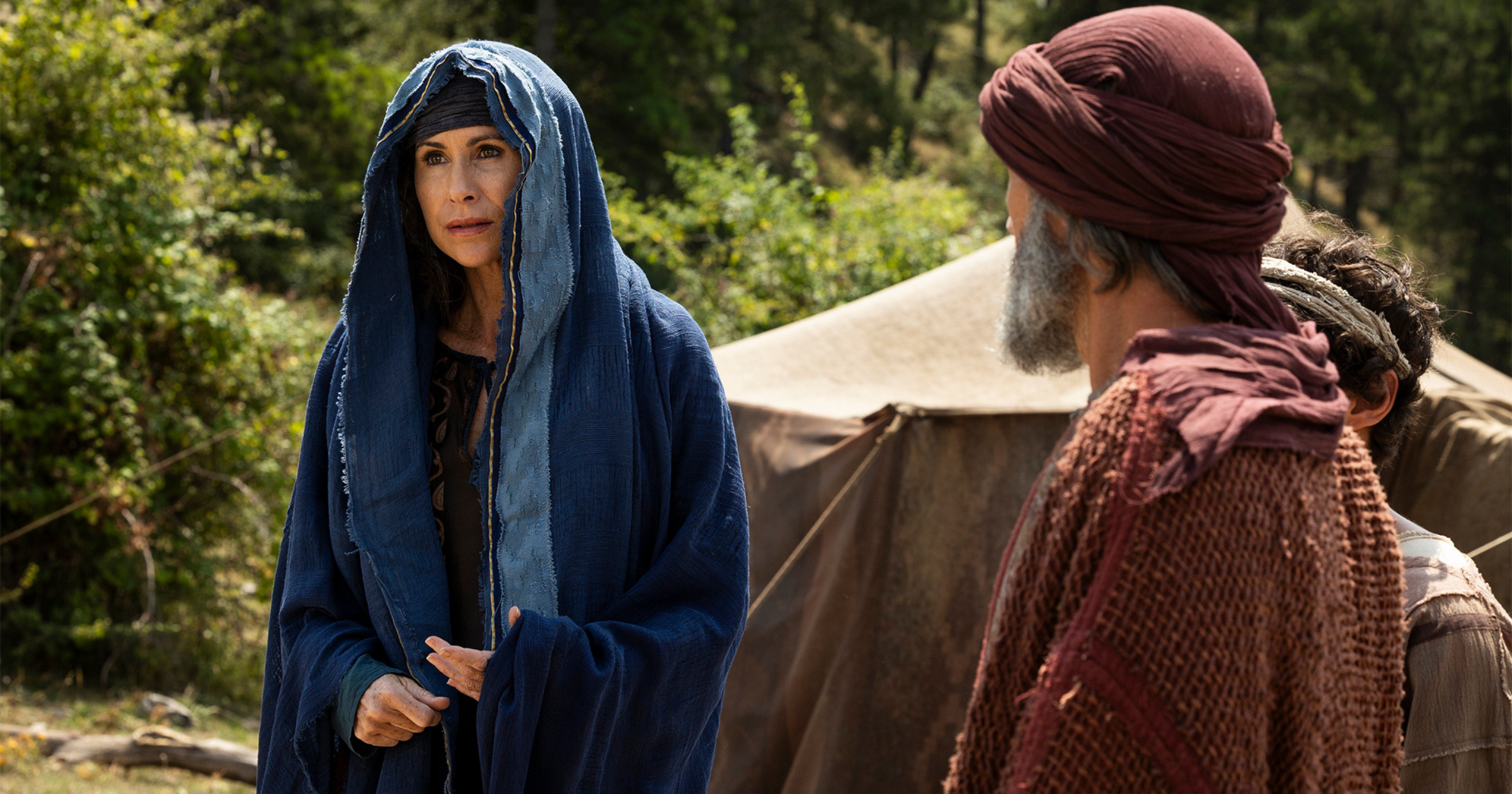
Sarah, Rebecca, Leah and Rachel. These are names that echo through Jewish scripture and liturgy. Anyone with even a cursory knowledge of the Hebrew Bible knows their basic stories. Now, Julie Weitz wants the audience to get to know them a little better.
Weitz is an executive producer of The Faithful, an ambitious miniseries about the biblical matriarchs. The first episode focuses on Sarah, played by Minnie Driver; all episodes, originally appearing on Fox, can be streamed on Hulu.
“These people are not caricatures,” Weitz said in a Zoom interview from Los Angeles. “They’re not superheroes. They’re real people with real emotions and real challenges, and we wanted to show who these women really were.”
The series arrives amid a resurgence of biblical storytelling on television, with shows like Amazon’s House of David drawing large audiences. Yet women in these narratives often appear one dimensional. For Weitz and her producing partner, Carol Mendelsohn, The Faithful was a passion project—an effort to fill in gaps in the biblical account, reveal more of the matriarchs’ personalities and understand their central role in Jewish history, faith and destiny.
Bible scholars were hired to vet the scripts. Among them was Rabbi Wendy Zierler, a professor of modern Jewish literature at Hebrew Union College who writes frequently about feminist interpretations of the Bible.
“We don’t know anything about Sarai, before she married [and later received the name Sarah from God], or what Rebekah was like,” Zierler said. By necessity, she explained, the writers had to construct backstories and dialogue, often drawing on traditional commentary. Scene by scene, they checked their work with her—asking not only about fidelity to the text, but also, “Is this right? Are people going to be offended by this?”
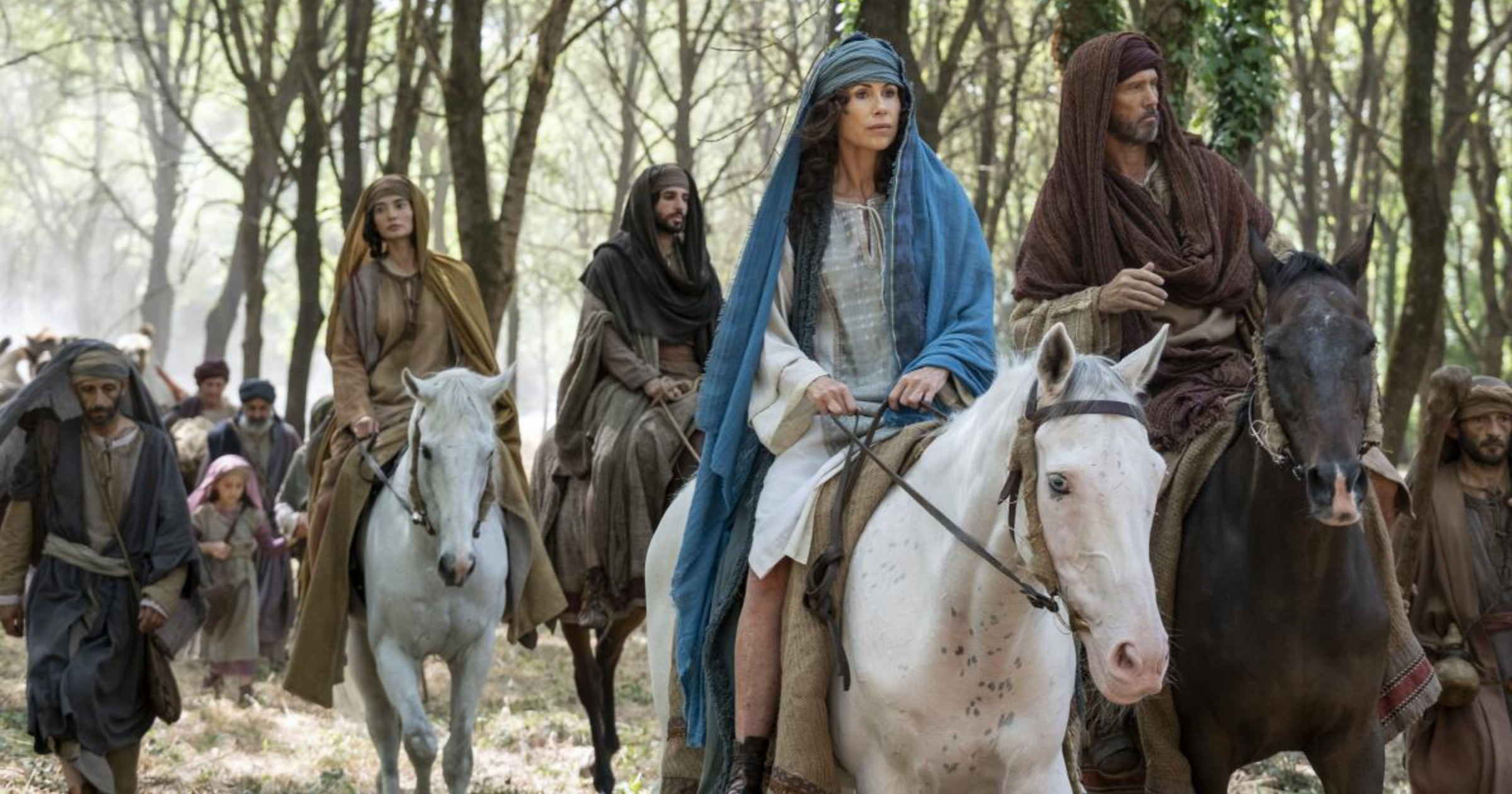
The results of this collaboration lend the women’s experiences a depth that can be missed from reading the text alone. Viewers are more likely to feel Sarah’s anguish over her inability to conceive—and her jealousy of Hagar, who bears Abraham a child.
Hagar, too, is rendered with nuance, befitting the first biblical woman addressed by an angel.
Rebecca’s controversial deception—securing Isaac’s blessing for Jacob instead of his brother, Esau—is framed less as manipulation than as a pivotal act in fulfilling what she understands to be God’s plan for Israel.
The men, too, are given greater dimension. Zierler pointed to the series’ exploration of Isaac’s relationship with Abraham after the Akedah, the binding of Isaac, an episode the Bible leaves largely unexplored. Some commentaries suggest the bond was deeply strained.
“He held a knife to my throat. He was going to kill me,” Isaac, portrayed by Tom Mison, says in the show, before jealously adding, “God doesn’t speak to me. Only my father.”
If the series has a weakness, it lies in its occasionally jarring dialogue, which can feel more TikTok than Genesis. At one point, Laban, Leah and Rachel’s father, justifies deceiving Jacob by recounting, “What kind of father would I be if I didn’t set my children up for success?”
Jewish? Yes. Biblical? Not quite.
Still, the dissonance fades quickly, helped by uniformly strong performances, led by Driver as the most recognizable name.
“We wanted to humanize these women, give dimension to these women,” said Weitz. “We stick to the [biblical] plot line, but given an opportunity to show their human side, we do.”
Curt Schleier, a freelance writer, teaches business writing to corporate executives.
 Facebook
 Instagram
 Twitter

Leave a Reply