



Israeli Scene


Echoes of Ancient Conflicts in Israel
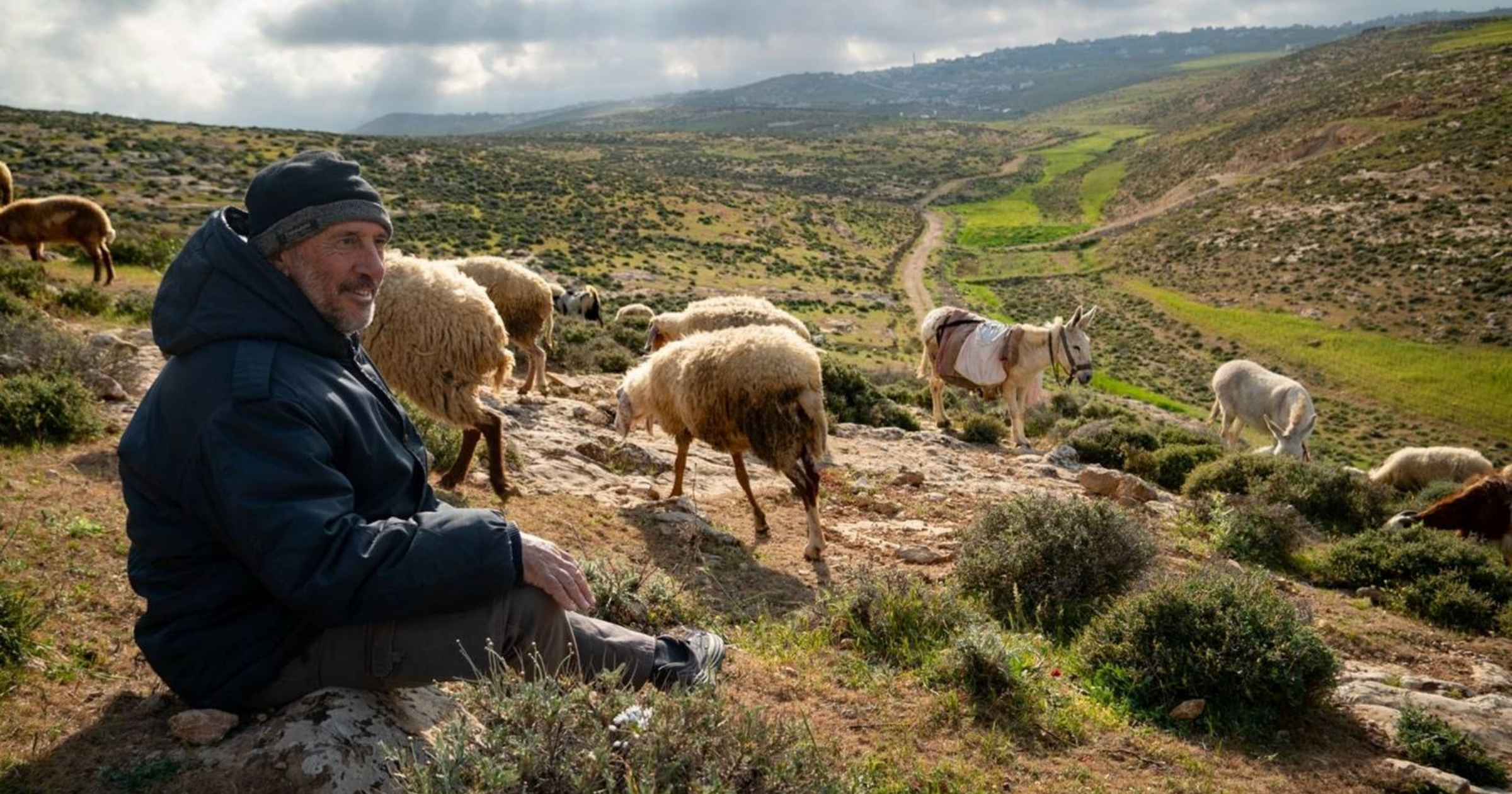
Standing on a mound of earth at Tel Lachish, halfway between Jerusalem and Gaza, one can hear the laughter from the kindergarten of modern-day Moshav Lachish. From this tel, a historical hilltop site of destruction, the laughter of children reminds us of where Israel is today, caught between ancient conflicts and modern ones.
Israel has been at war for more than two and a half years, in the South, the North and most everywhere in between. This is tragic, but it is not new. Every archaeological site or mountain overlook in the country was also a battlefield sometime, often many times, in the last 3,000 years.
Lachish, for example, was the second most important city in the biblical Kingdom of Judah, after Jerusalem. It was built and destroyed over and over, and it ultimately fell to the Babylonians in 586 BCE during their march on Jerusalem that culminated in the destruction of the First Temple and the exile of the Jewish people.
The fall of Lachish is dramatically recounted by a series of ancient letters excavated by British archaeologist James Starkey in 1935. Written in Hebrew on broken shards of pottery and sent from a subordinate at a neighboring outpost to his commander at Lachish, what have come to be known as the “Lachish Letters” reveal the increasing desperation as the soldier pleads for help, food, information and, ultimately, a sign of life from the defenders of Lachish.
According to the Book of Jeremiah (34:7), the last two cities to be taken by the Babylonians before Jerusalem were Lachish and, 15 miles north, Azeka. “We are watching for the signal fires of Lachish…because we cannot see Azeka,” writes the doomed soldier. The chilling reality of the destruction to come speaks to us from this 2,600-year-old piece of pottery, currently housed in the British Museum.
It is hard not to get overly sentimental about the miraculous rebirth that is the modern State of Israel. Where are the Babylonians today? Where are the Assyrians, who had conquered Lachish 115 years earlier? But here at Moshav Lachish, an agricultural community of about 230 families, are the descendants of the defenders of ancient Lachish, growing grapes for wine that will be blessed at Sabbath dinner tables.
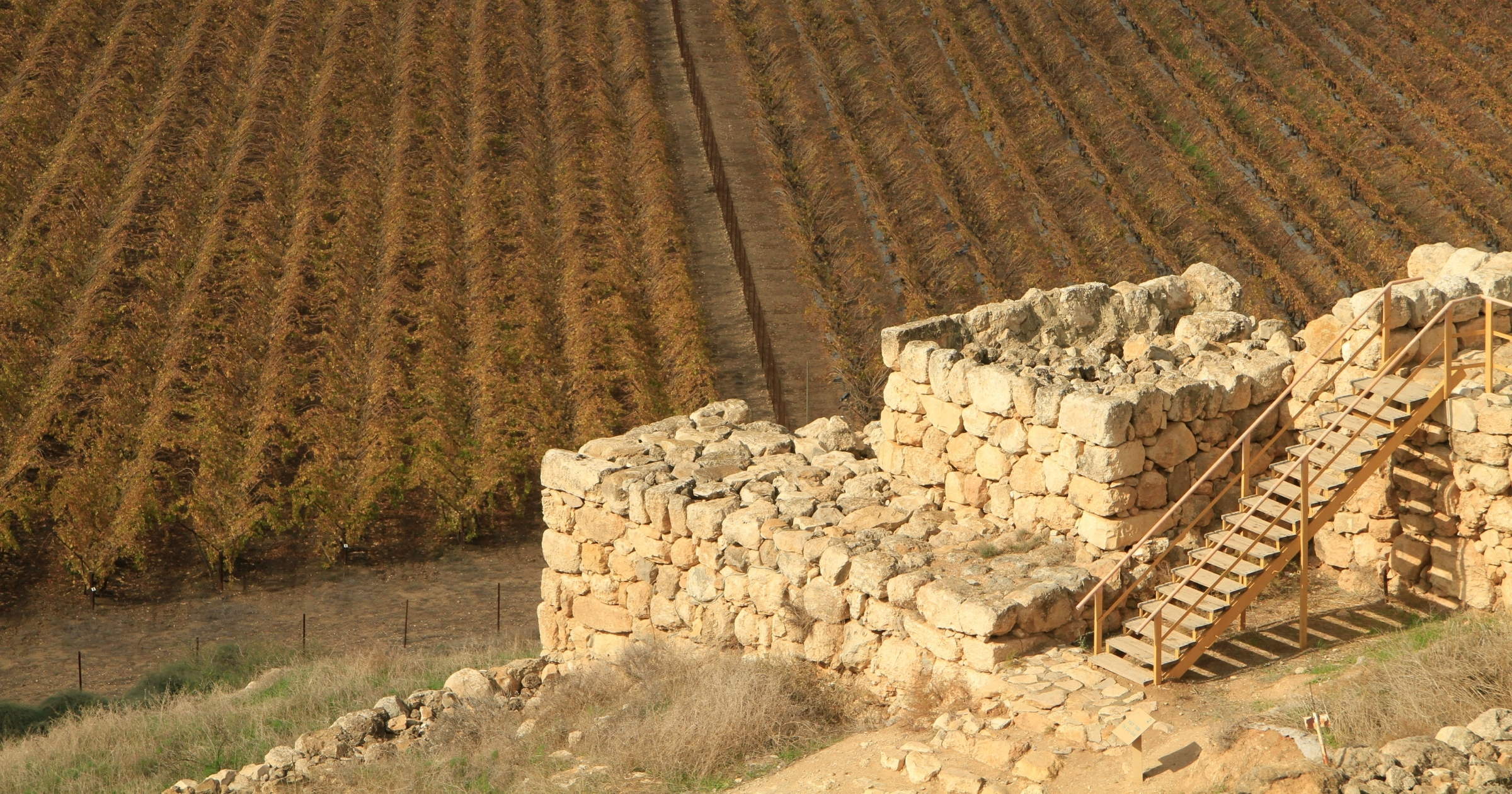
This experience of visiting a place out of history that speaks to us today also came alive for me 10 years ago in Latrun, in the center of Israel. Latrun was a stronghold of the Maccabees that became a Crusader castle and then a British police fortress. But it was always a strategic gateway to Jerusalem.
As a tour guide—my profession of 30 years—I often take tourists there to see the view and hear about the battles, both ancient and modern. On that day, I was at Latrun as a father, watching the ceremony in which my daughter marked the completion of her training as a non-commissioned officer. My slight, sweet, cheerful youngest, who has never raised her voice in anger to anyone, was going to spend the next two years drilling new recruits in the Israel Defense Forces.
The stage on which the 350 newly trained officers were awarded their stripes has as its backdrop the massive fortress, which is now a military museum. The British had handed over the fortress to the Arab Legion in May 1948, and the Israeli army tried and failed to conquer it five times during the War of Independence. Among the soldiers who were sent into those battles were newly minted Israelis straight off the boat from the displaced persons camps of Europe. They knew very little Hebrew and often could not understand their officers during the fighting. In this catastrophe, men who had miraculously survived Auschwitz died fighting for the nascent independent Jewish state. This, too, is part of the story of the birth of Israel.
I recall watching my daughter on that stage and choking back tears. Many of the fallen soldiers memorialized at Latrun were likely as small and as sweet as my daughter, and some were even younger. She was, in her own way, carrying on their mission, and I knew that she would continue to do so long after she completed her military service. As the event drew to a close, I stood and sang the national anthem, “Hatikvah,” as loud as anyone there. My hopes for my daughter and my hopes for this country were one and the same.

I wish my mother could have seen my daughter that day. She would have seen it as a vindication of her own life and work. Lois Slott was a national vice president of Hadassah, and she and my father, Irv, raised us in a Zionist home. I grew up believing those songs they taught us at Young Judaea camp about how next year would bring peace, and about how our children would not need to fight to protect the state our parents had somehow brought into being. Also, that everything we did in Israel was right and just.
When I came of age, in 1981, I moved to Kibbutz Ketura, which was founded by Young Judaea alumni, to build it and to be built by it, as the pioneers used to say. Decades of living here have shown me that Israel faces challenges I did not see as a child, and that our answers to these challenges are not always right and just.
These challenges become even more apparent when I stand before the ruins of the ancient village of Susya, with its beautiful 1,500-year-old synagogue nestled in the South Hebron Hills, 30 miles northeast of Beersheva. It is a mere five-minute walk from where I regularly spend time defending Palestinian shepherds from violent attacks by Jewish settlers. I’m one of a group of Israelis who hope that our presence, plus the documentary record we make on our phones, will be enough to keep the Palestinians who live in Susya safe, at least for another day.
But even as I try to keep zealous Jews from dispossessing Palestinians of their homes, I find myself inspired by the ancient Jewish history of the same land. The Jewish village of Susya existed from the second century BCE to the eighth century CE, and its synagogue, still housing the remains of beautiful mosaic floors and 30 mikvehs, was built in approximately 400 CE.
I don’t talk about this with my friends, my comrades, my young Israeli-born fellow activists, who would be appalled if they found out that I even visited the ruins of ancient Jewish life in Susya. They would not understand why I, or indeed anyone, places any value on this pile of rocks. I love these young dreamers, but it troubles me that they don’t care to see the Jewish history of this place. We do not have to deny our own heritage in order to show respect for that of our neighbors.
I understand that the two narratives of Susya are at odds. According to the Palestinians, the building that I call an ancient synagogue was built by Saladin, the great Muslim general, as a combination church-mosque-synagogue. (This is not possible as he ruled several centuries after the building was abandoned.)
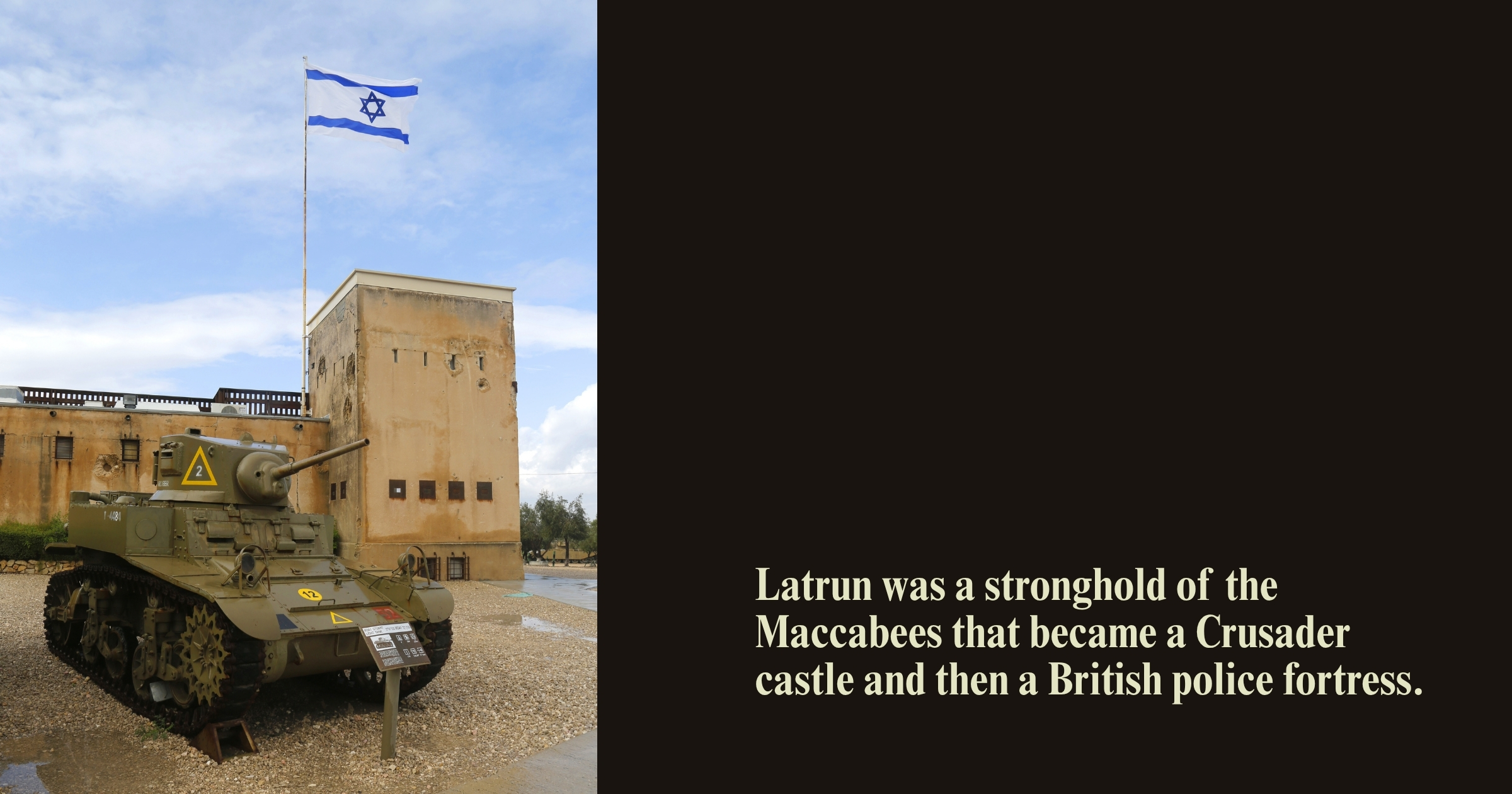
As for the Jewish settlers, their narrative is simple. There was a Jewish village here for a thousand years. The Jews were forced out of their homes, their villages and their synagogue, and now they are returning—reclaiming the land that was ours for millennia before Muhammad was born.
What neither narrative captures is that both have some truth. Susya is home to Palestinian shepherds who deserve to live free of violence. And Susya is part of Jewish history. That duality is not an exception in this ancient cradle of so many civilizations and peoples. It is the nature of this place, as it has been for millennia.
Which is why one of the sad lessons of Susya, as well as Lachish and Latrun, is that peace is not just a year away. But at the same time, there is a kind of comfort to be drawn from these places. The tumultuousness of our own times is an echo of tumultuous events that occurred long ago in every corner of this country. While this land has often been fraught, it has also been a place where nations and religions and philosophies and ways of life have changed human history. It is beautiful, but life here has always been complicated.
This land is the birthplace of monotheism and of many cultures as well as of King David, Jesus, Herod the Great, Rabbi Akiva and of the late Israeli Prime Minister Yitzhak Rabin and Palestinian Authority President Mahmoud Abbas.
It is also the birthplace of my children. And in spite of its flaws and challenges, I love Israel today as much, or perhaps more, than I did 45 years ago when I arrived.
Bill Slott is a tour guide, a cantor and a member of Kibbutz Ketura, a community in southern Israel, where he has lived for 45 years. This essay is adapted from his recent book, Israel Rediscovered.
 Facebook
 Instagram
 Twitter

Leave a Reply