



Books
Fiction


REVIEW: ‘Spinning at the Edges’
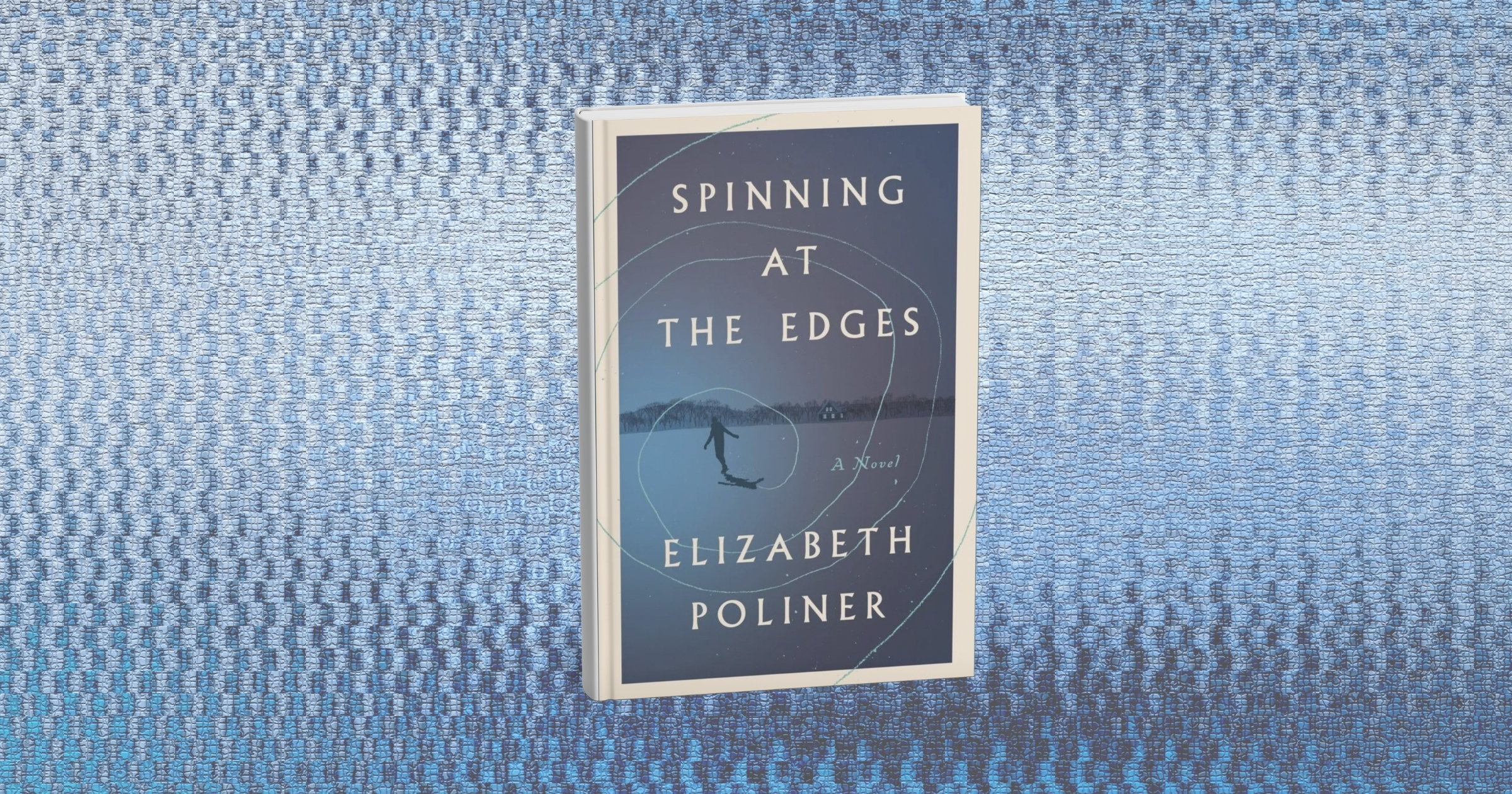
Spinning at the Edges is the perfect title for Elizabeth Poliner’s newest novel, which spins together a large cast of linked characters, all of whom feel, in different ways, like outsiders. The overarching story belongs to Ruth Pearl, an aging Holocaust survivor from Amsterdam, and her 39-year-old American daughter, Stephanie.
In winter 2000, when Ruth’s Connecticut neighbor starts to build an addition to his house that might obscure her beloved view of the fictional Lake Topaqua, she feels a loss of control that revives memories from her youth, when she and her parents were forced to flee the Nazis. Stephanie tries to comfort her mother, even driving up regularly from her job in Washington, D.C.
But Stephanie’s recent breakup from a long-term relationship leaves her needing her own comfort from a mother who can’t seem to give it. Or maybe Stephanie can’t ask. “Freddy Taylor versus the Holocaust,” she thinks about the man she thought she’d marry, knowing her mother’s needs trump her own.
When Ian Lima, a teenage boy struggling with his sexuality, falls (or jumps) through a fishing hole in the frozen lake, Ruth saves him with the help of passerby Arthur Cantrell, a judge who has his own struggles.
Ian’s mother, Missy Lima, is raising her son by herself, just as Ruth had raised Stephanie.
Missy and Stephanie had been best friends in high school, but now, Ruth and Ian’s burgeoning friendship reconnects them, stirring mixed emotions in both women.
Poliner has built a complex structure for her fiction, moving back and forth in time between the World War II era and 2000, the year of the disputed George W. Bush-Al Gore American presidential election. History weighs heavily throughout, with contemporary characters worrying about the future of democracy, even as they face their own personal problems.
Poliner deftly handles these rapid time shifts (even the occasional glimpse into the future) plus dramatis personae too numerous to mention. She spins her yarn with repeated themes that hold it all together: loneliness, loss, “trying to regain control in an unpredictable world.” Every adult in the story strives to overcome childhood trauma, whether it’s an abusive father, an alcoholic mother or—hanging over it all—the Holocaust.
Ruth helps Ian. Ian helps Arthur.
As the novel tries to show, threads become stronger when woven together, in cloth and in life.
Elizabeth Edelglass is a fiction writer, poet and book reviewer living in Connecticut.
 Facebook
 Instagram
 Twitter

Leave a Reply