



About Hebrew


The Hebrew Root for Pleasure, Delicacies and Edna Ferber
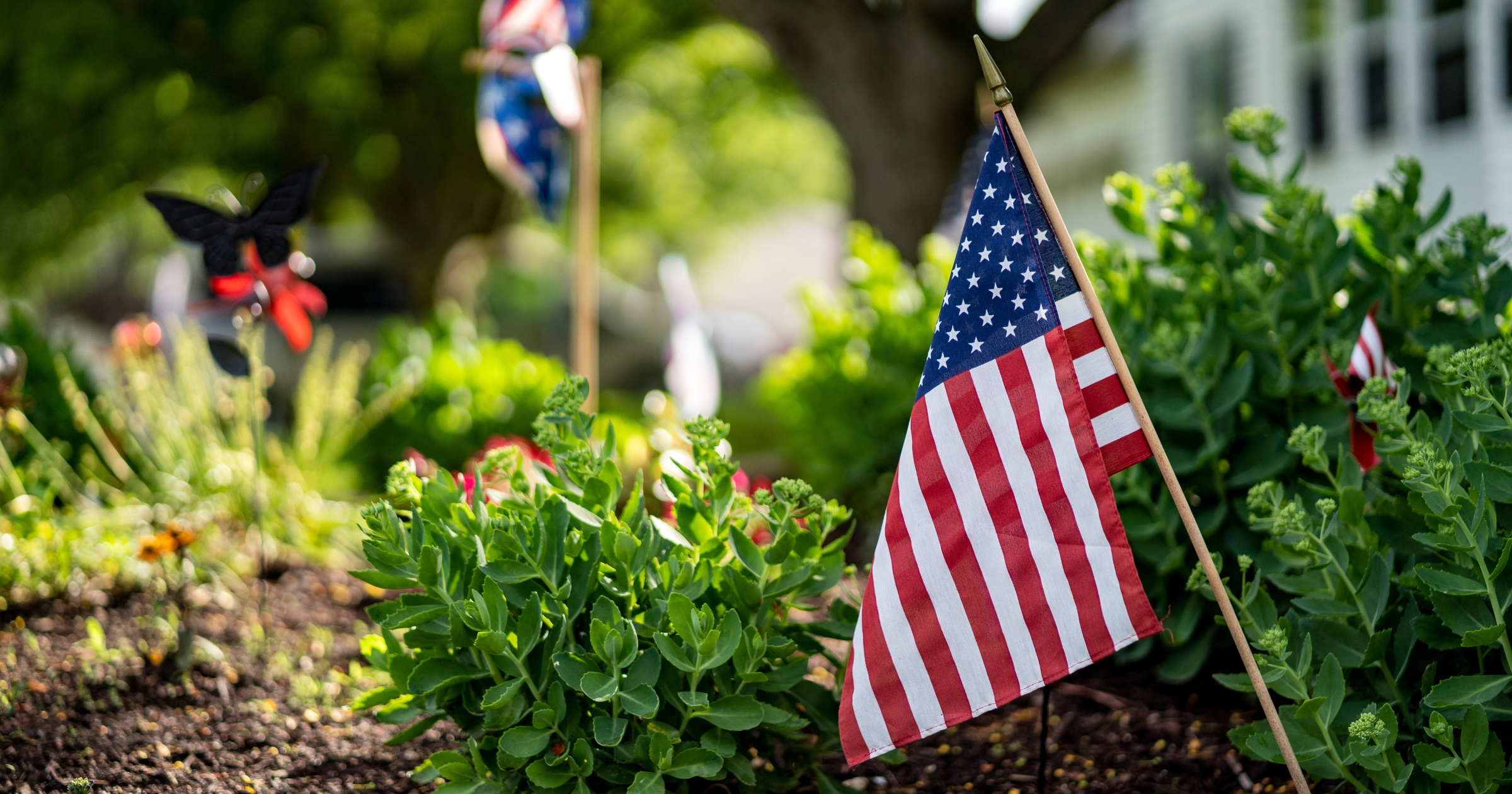
For nearly three years, jewish media has been weaving into its reporting a certain focus on disaster. One should, however, take time to appreciate festive moments as well, such as this year’s American semiquincentennial, the celebration of 250 years since the signing of the Declaration of Independence. Hebrew contains a treasure trove of celebratory expressions as well. Take the example of the root ע-ד-נ (ayin-dalet-nun), delicate, delightful, pleasurable and much more.
In Scripture, the root has many stories to tell. When an aging Sarah is told that she will conceive a child, she marvels, in Genesis 18:12, that her withered body will once more experience עֶדְנָה (ednah), “pleasure.” Biblical scholars have tied this use of the root to the story of Adam and Eve’s adventures in גַּן-עֵדֶן (gan eden), Garden of Eden, where the root, in an ancient Semitic language, referred simply to a very fertile and “well-watered” land.
Sarah’s pleasure in Genesis can be bridged with the pleasure in luxury. David’s dirge for King Saul in 2 Samuel 1:24 urges the Daughters of Israel to weep over the dead king who has clothed them in עֲדָנִים (adanim), “regal finery.” Centuries later, after King Nebuchadnezzar has made off with the treasures of the Holy Temple, a personified Jerusalem, in Jeremiah 51:34, uses our root metaphorically—likening gold to dainty food to accuse Nebuchadnezzar of having filled his belly with מֵעֲדָנָי (me’adanai), “my luxurious delicacies.”
The root abounds in post-biblical Hebrew. During the Golden Age of Spain, Jewish scholar and poet Abraham Ibn Ezra laments that his זְמַן עֶדְנָה (zeman ednah), “time of young manhood,” has moved too quickly into old age. Today, at the Shabbat table, our root is found in liturgical songs like “Yom Zeh Mechubad,” which invites us to עִדְנוּ מַעֲדָנַי (idnu ma’adanai), “Take pleasure in my culinary delights.”
When Rosh Hashanah approaches, Israelis will go to their neighborhood מַעֲדָנִּיָּה (ma’adaniyah), high-end delicatessen, to purchase gift baskets of מַעֲדָנִים (ma’adanim), delicacies, with which to wish their neighbors and friends an elegant new year. The United States, celebrating its milestone anniversary this year, still has many aspiring immigrants who look on this land as a גַּן-עֵדֶן עֲלֵי אֲדָמוֹת (gan eden alei adamot), heaven on Earth.
Then there is Pulitzer Prize-winning Jewish American novelist Edna Ferber (1885-1968), whose first name derives from our root. Her 1938 autobiography discusses her father’s emigration from Hungary and the antisemitism she and her family experienced as well as her pride in her Jewish and American identities. It is therefore no coincidence that she took the title of her autobiography, A Peculiar Treasure, from Exodus 19:5. That passage includes a near-synonym of our root, segulah, treasure, another word we can place into our own verbal trove of hopefulness.
Joseph Lowin’s columns for Hadassah Magazine are collected in HebrewSpeak, Hebrew Talk and Hebrew Matters.
 Facebook
 Instagram
 Twitter

Leave a Reply