



Wider World


HEAR Act Expands Efforts to Recover Nazi-Looted Art
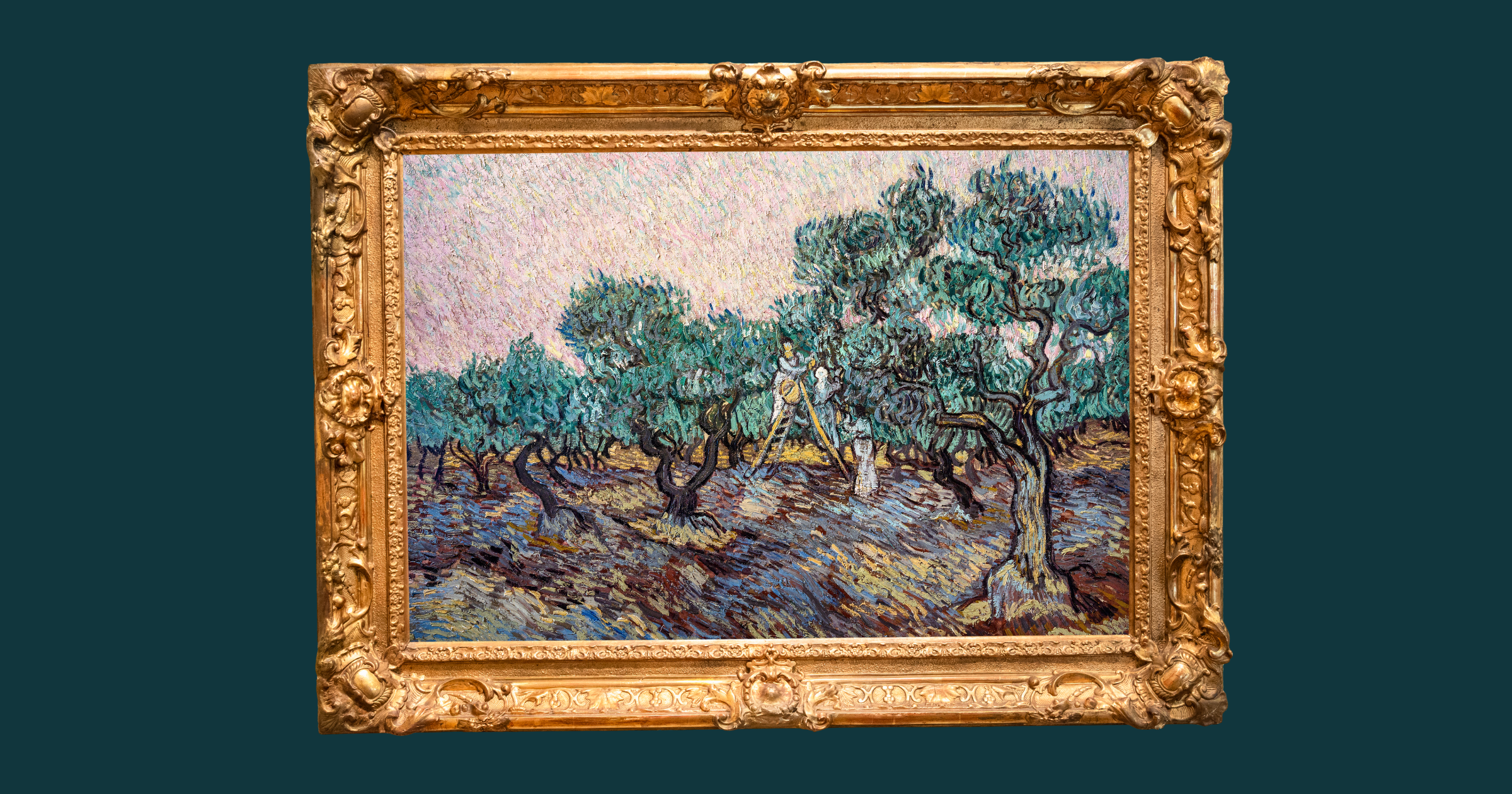
In 1935, Hedwig and Frederick Stern, a Jewish couple living in Munich, purchased Olive Picking, one of an 1889 series of olive tree paintings by Vincent van Gogh. Desperate to secure visas and escape Hitler’s Germany, the Sterns were forced to sell the painting to the Nazis one year later. Then, without the family’s permission, a Nazi agent sold the painting and deposited the funds into a blocked bank account.
The Sterns never saw the painting again, but not because it disappeared. According to a lawsuit filed by a Stern heir, the Metropolitan Museum of Art in New York City purchased the van Gogh for $125,000 in 1956. Despite knowing its provenance, the museum then sold the painting to the Basil and Elise Goulandris Foundation in Athens.
Now, the heirs are fighting to reclaim the piece. And because of the 2025 HEAR Act (Holocaust Expropriated Art Recovery Act), they and others like them have a stronger chance than ever to recover their family’s looted property. Before the new act was signed into law in April, victims of Nazi theft had to contend with their lawsuits being dismissed on procedural grounds such as passage of time. The new law, which does not have a sunset date, eliminates that defense and a host of other non-merit reasons for dismissal.
According to the Claims Conference, an estimated 100,000 of the 600,000 to 650,000 cultural objects looted from Jews, including paintings, books and religious items, are believed to be in private collections and museums.
“To hold on to stolen artifacts from the Holocaust is to engage in a form of denial of the true brutality of the Holocaust,” said attorney Sam Dubbin, who is serving as counsel on a different Nazi-looted painting case, brought by a descendent of Lilly Cassirer Neubauer against a museum in Madrid. Dubbin is also managing director of Art Ashes, an organization that aids researchers, attorneys, claimants and heirs during the restitution process.
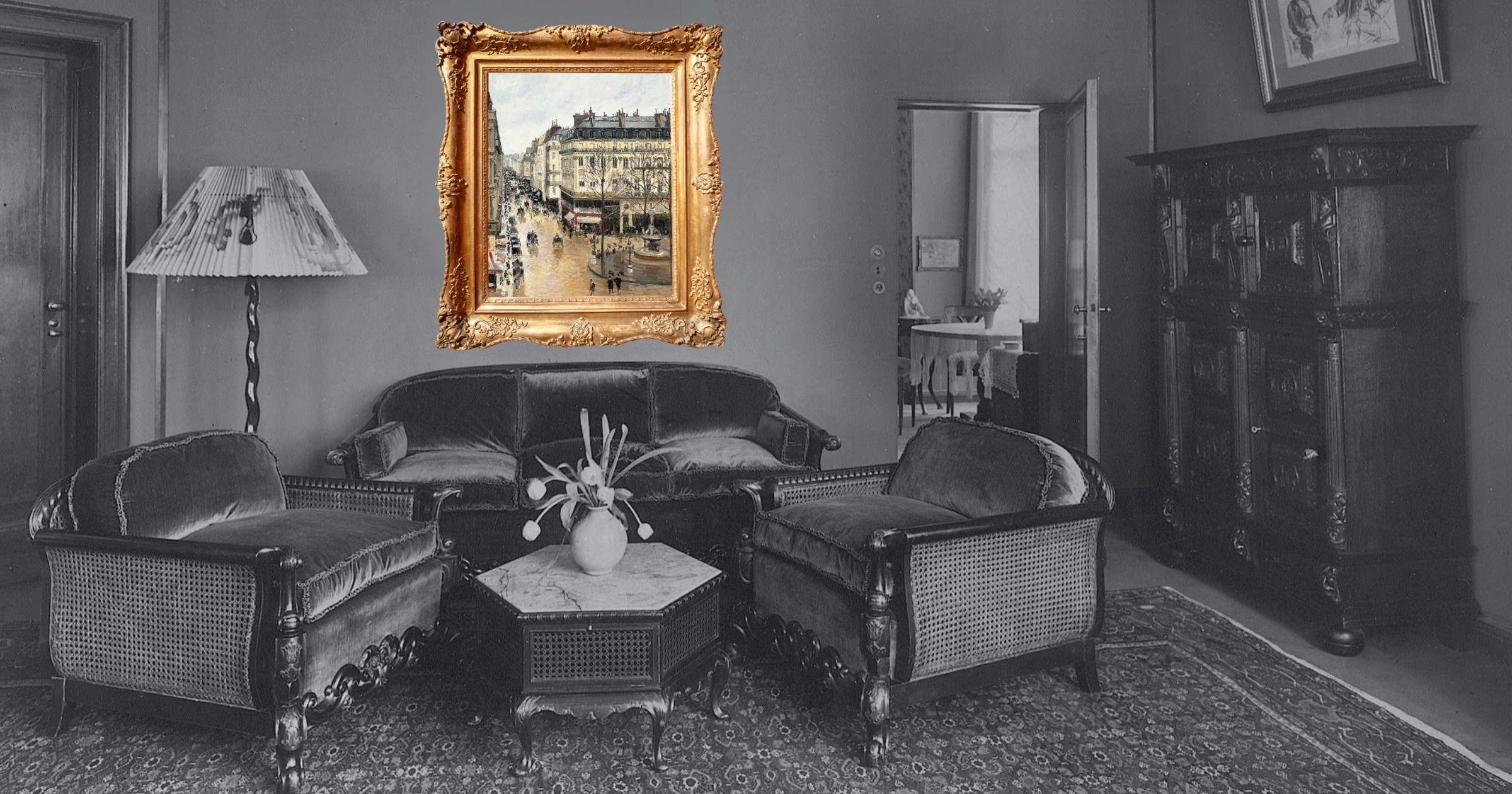
Until Cassirer Neubauer was forced to sell Camille Pissarro’s Rue Saint-Honoré, Après-midi, Effet de Pluie to the Nazis under duress, it hung above a velvet sofa in her Berlin apartment. A private collector purchased the looted painting postwar, but its whereabouts remained unknown until the late 1990s. A family friend spotted the painting on the cover of an exhibition catalogue for Madrid’s Thyssen-Bornemisza National Museum, where it remains on display.
Lilly’s great-grandson and sole surviving heir, David Cassirer, has been fighting since 2005 to recover the work.
“I’m the only one of the immediate family left who can do something about this,” Cassirer said. “Every day I tell her [Lilly], ‘We’re working on it.’
Cathryn J. Prince, a freelance journalist, is the author of For the Love of Labor: The Life of Pauline Newman.
 Facebook
 Instagram
 Twitter

Leave a Reply