




Israeli Scene


Israeli Veterans With PTSD Are Turning Trauma Into Wine
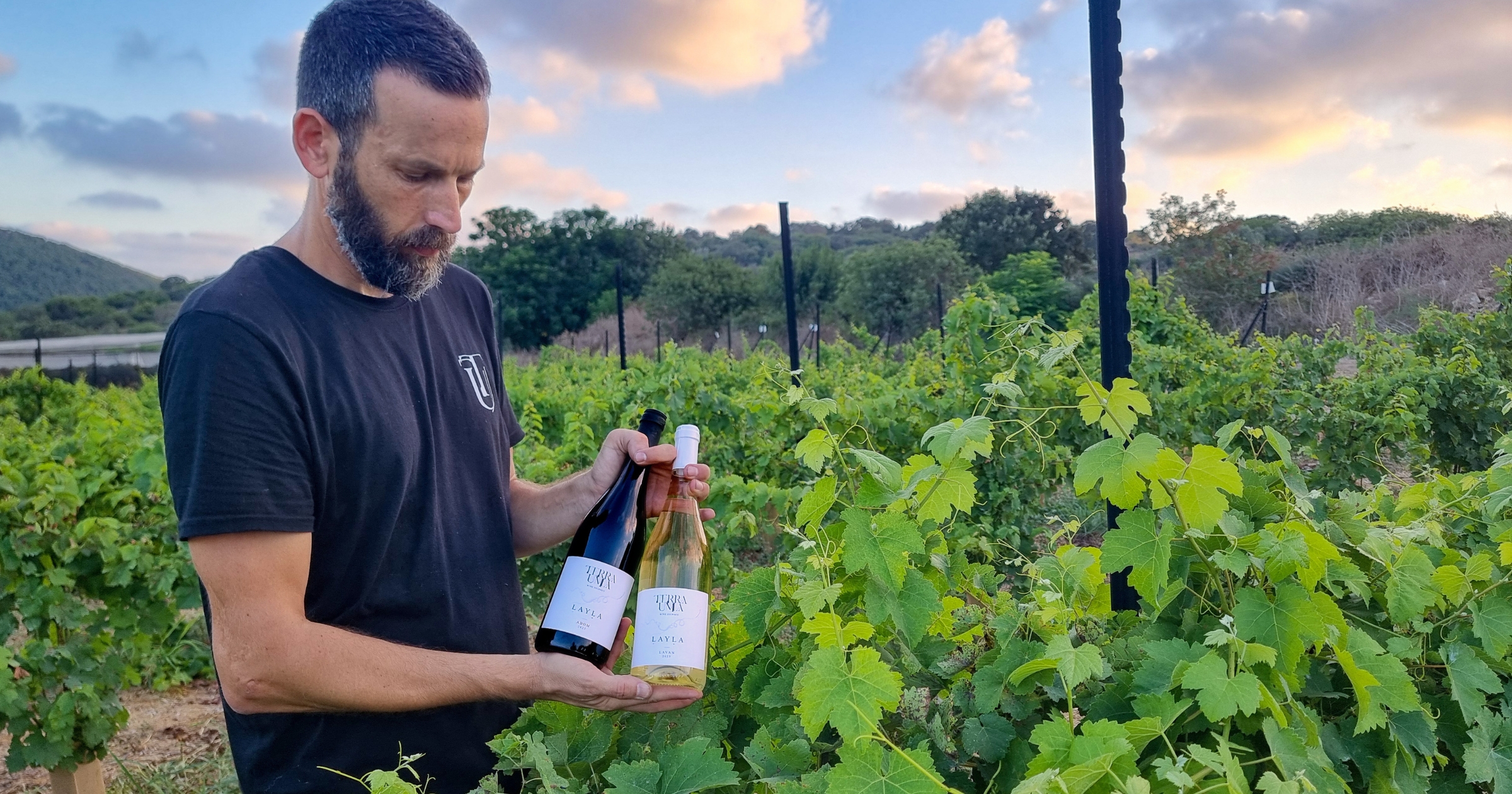
After Tomer Weinberg was physically wounded during a tour of duty in Lebanon about 15 years ago and later diagnosed with PTSD, he tried every therapy he could think of, but none helped. For almost a decade, he couldn’t hold down a job and barely left his house. Then a friend suggested winemaking.
That was in 2021, just after his father died in a motorcycle accident. Wine had been his father’s hobby. To honor his memory, Weinberg decided to volunteer with Asaf Margalit, one of Israel’s pre-eminent winemakers.
“When I went out to the vineyard, something special happened. My soul began to calm down,” Weinberg said. “When I learned the process of making wine, it changed how I looked at my injury and at my life.”
Within a year, Weinberg was back to full functioning. He thought other combat veterans with PTSD might also benefit from winemaking, so in 2022, he founded Terra Uma, a play on the word trauma. A third cohort recently completed their winemaking journey.
The need for PTSD therapy has grown exponentially since the Hamas attacks of October 7, 2023. According to the Israel Defense Ministry’s Rehabilitation Department, more than 30,000 people have applied for emotional trauma and PTSD benefits since the war began, though estimates of those suffering from it—soldiers and civilians—are thought to be significantly higher. Of the more than 20,000 wounded soldiers formally treated at rehabilitation centers, more than 50 percent report symptoms of PTSD.
Weinberg said about half of the third group joined because of October 7-related trauma. In July, the fourth cohort of 42 combat veterans began their course.
During the free two-year program, which includes meetings with mental health professionals, participants spend the first year working in Terra Uma’s vineyard in Bat Shlomo, in northern Israel. Each veteran makes their own barrel of wine, designs their own labels and follows the process from harvest to bottling.
In the second year, participants work together to create one vintage. Each barrel makes about 300 bottles; 200 are sold to help cover the costs of the program, and each participant gets to keep 100 bottles.
Tzvi Appelbon, who was formerly part of a SWAT team and was wounded twice in the line of duty, was part of the third cohort. A father of three, he thought he was fine, but five years ago he ended up in a psychiatric hospital for PTSD. One of the nurses there connected him to Terra Uma.
“Before, if I had to go someplace, I would simply say, ‘I’m not going,’ ” Appelbon recalled. “But I feel a responsibility to the vineyard, and when the harvest comes, you can’t put it off.”
He also said he felt a deep connection to his barrel of wine.
“I talked to the barrel while it was fermenting and even hugged it. The wine was fantastic,” he said of his red blend. “I felt all the good energy that went into it.”
Linda Gradstein is a freelance journalist based in Jerusalem.
 Facebook
 Instagram
 Twitter
Leave a Reply