




Hadassah


The Story of Israel’s Biblical ‘Honey’
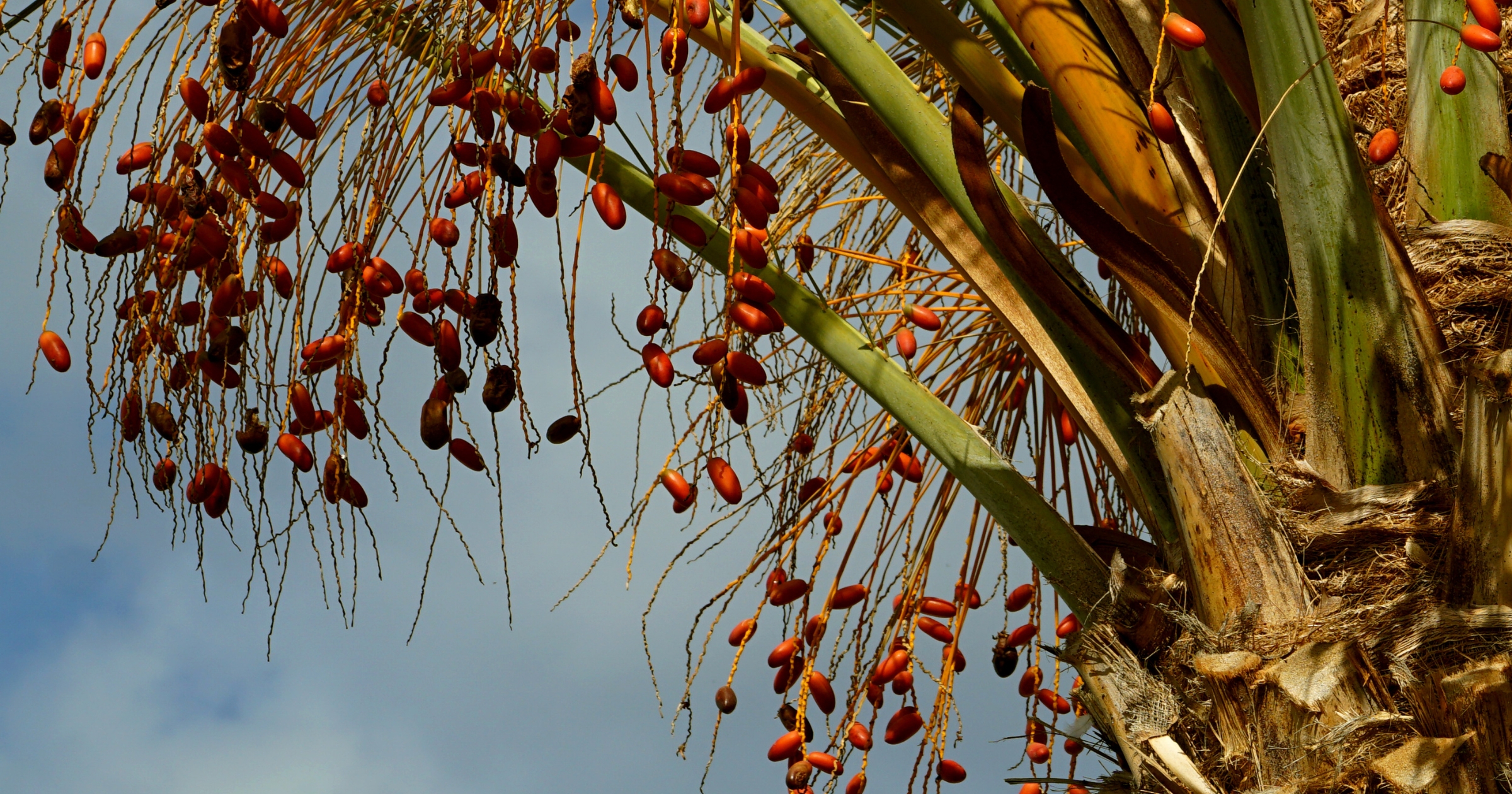
It’s the time of the Jewish year when we dip apples in honey and mix the sweet elixir into cakes and other treats for Rosh Hashanah, which begins the evening of September 11. Many of us will turn to honey derived from bees, but for those interested in biblical authenticity, or in keeping with a vegan diet, consider substituting with date syrup, which comes from the fruit of date palm trees. Israel is a world-leader in date palm agriculture; here’s the story.
Date syrup, known as silan and sometimes called date honey, was common in antiquity in the Middle East, where it sweetened food and wine. Indeed, when “honey,” or devash, is mentioned in the Bible, silan is almost always the intended reference—for instance, in Exodus 3:8: “I have come down to rescue them from the Egyptians and to bring them out of that land to a good and spacious land, a land flowing with milk and honey….”
Date palm trees were so synonymous with ancient Judea that a first-century CE Roman coin—known as the Captive Judea coin—depicts a triumphant Roman soldier standing next to a palm tree (symbolizing Judea) and a seated female figure.
But after centuries of destructive war, climate change and poor farming, by the 14th century, date palms had all but disappeared from the Land of Israel. When Jewish settlers arrived in Palestine in the early 20th century, they found very few trees left.
Determined to return this symbol of the biblical Land of Israel to its former glory, in 1953, agriculture pioneer Ben-Zion Israeli came up with a plan to smuggle Iraqi date palm saplings to Israel via Iran. The saplings that survived the journey were planted in the Arava Desert, which is today the prime date-growing region in Israel. (Learn more about the Judean date palm tree, how it differs from other trees and ultimately, dates, here.)
The commercial production of silan in Israel started in the 1980s. A date plant manager asked his workers, who were Iraqi, what they did with date scraps. The following day, they brought in their homemade silan for him to sample—and he decided to develop it for commercial production.
Today, a jar or bottle of silan can be found in most Israeli kitchens. Swirl it with tahini to make a sandwich spread, sometimes called an Israeli peanut butter and jelly.
Leading Israeli manufacturers of silan include Galil, Kinneret Farm and Yad Mordechai. The United Arab Emirates-based Al Barakah, one of the world’s largest silan producers, tripled its sales within Israel thanks to regional normalization after the Abraham Accords.
Israel is a major player in the global date market, with almost 17,000 acres of date palms planted. The annual yield is about 50,000 tons; half of it is exported. There are nine varieties of dates cultivated in Israel, but the vast majority are medjools. Fifty percent of medjools sold around the world today come from Israel.
Now You Know…MORE ABOUT Date Palms and Date Syrup
 Facebook
 Instagram
 Twitter

Leave a Reply