



Being Jewish
Commentary


The Healing Wisdom of Genesis
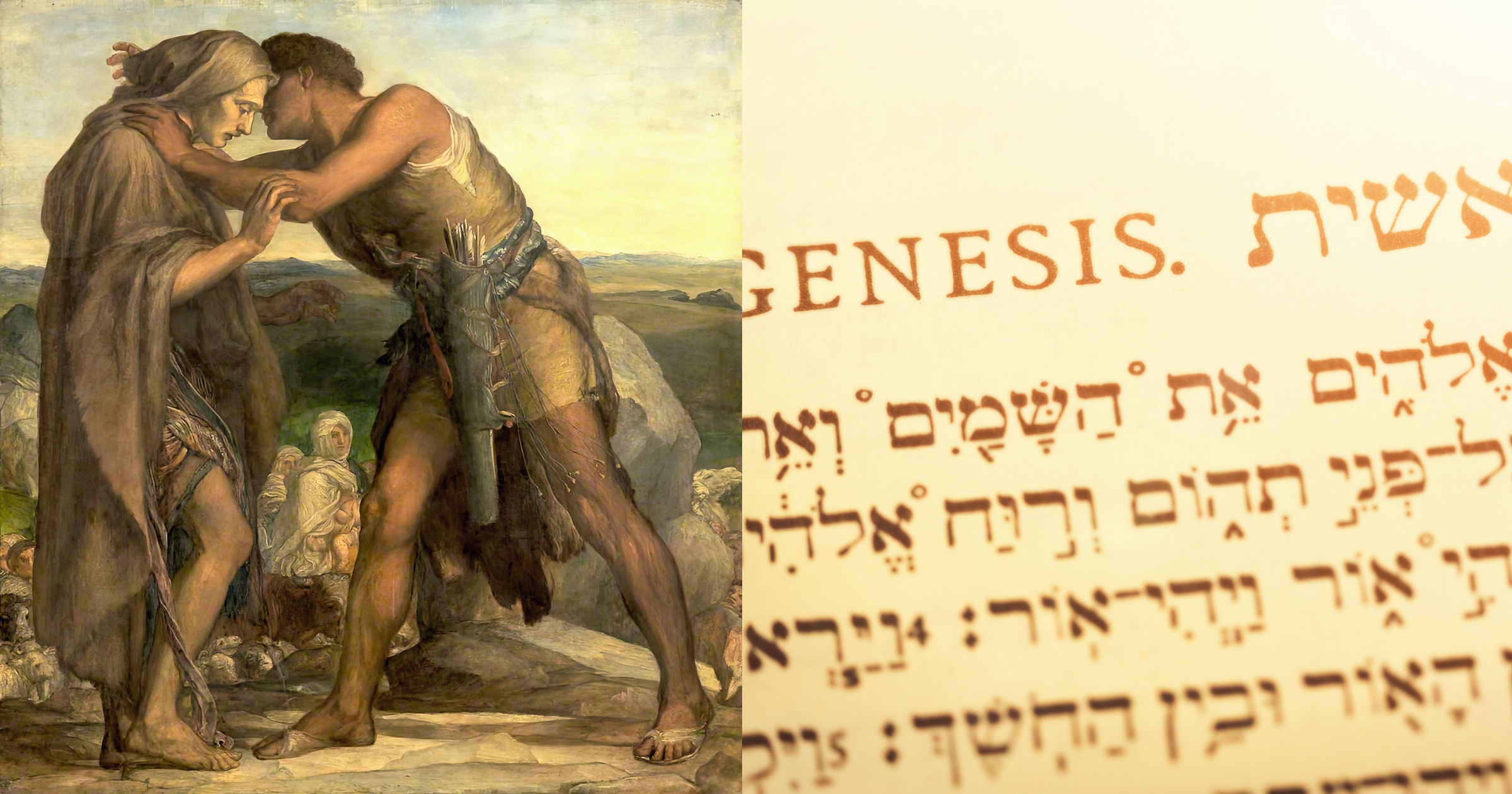
Each year on Simchat Torah, we read the end of Deuteronomy and then dive right into the beginning of Genesis, symbolizing the continuity of Jewish faith and tradition. Re-reading Genesis at a time of heightened fears and conflict is especially relevant because its stories illustrate the pain of human suffering and offer practical wisdom for healing.
The trauma from the October 7, 2023, attacks and the ensuing war with Hamas continues to have ripple
effects on large segments of Israeli society as well as Jews everywhere. At the same time, these developments have revealed deep rifts in the American Jewish community, especially between the younger and older generations.
Now, as we approach the three-year anniversary of those attacks, it is time to pay attention to these divisions, and Genesis is a good place to start. The stories it tells about our ancestors deal with emotional distress and family ruptures in every generation. These stories model ways to build emotional resilience. The key ingredient is love.
Esau and Joseph are among the central figures in Genesis who endure debilitating grief but nonetheless grow emotionally. While very different, they share an important life advantage. They know that they have been deeply loved.
Esau suffers when Jacob deceives their father, Isaac, and takes the blessing Isaac had intended for Esau. When the ruse is revealed, Esau is distraught. His pathos is intense as he repeatedly beseeches Isaac, “Have you but one blessing, Father? Bless me too, Father!” (Genesis 27:38).
Incensed, Esau plans to kill Jacob, who flees for his life. When they meet 20 years later, Jacob is terrified of what his brother will do. But in one of the biggest surprises in the Torah, Esau falls on Jacob’s neck and cries. He seeks no revenge. He has grown from victim into a man capable of love and forgiveness.
Joseph undergoes a similar transformation. He is his father’s obvious favorite, and his older brothers, driven by sibling rivalry, kidnap him, throw him in a pit and consider killing him before selling him into slavery. Taken to Egypt, he is later imprisoned on a trumped-up charge of attempted rape.
Yet despite this stunning series of betrayals, Joseph is able to forgive his brothers, love them and care for them—though not before testing them to see if they deserve his forgiveness.
Both Joseph and Esau emerge from their severe anguish and loss able to show lovingkindness to others. They are also two figures who, the Torah states, were deeply loved by their fathers. That is no coincidence.
In Genesis, being loved is the key to building resilience to emotional pain. Characters are able to transcend trauma in direct proportion to the love they have received. Modern psychology and neuroscience confirm this ancient biblical wisdom, demonstrating how being loved and protected, especially early in life, can fortify a person against trauma.
The Dutch American trauma expert Bessel van der Kolk, author of the best-selling The Body Keeps the Score: Brain, Mind, and Body in the Healing of Trauma, observes that deep memories of feeling loved and safe prepare the brain to receive kindness, and that such emotional support is the most important protection against later trauma.
The Romanian American psychotherapist Diana Fosha, an expert on the effects of childhood trauma and abuse, affirms that the roots of emotional resilience lie in being held in the heart and mind of someone who is loving and attuned to you.
Love is not a panacea, though. Genesis is filled with examples of how love can cause harm when given selectively. Everyone suffers when parents favor one child over another, as Isaac and Rebecca do. He loves Esau and wants to bless him; she loves Jacob and instructs him to take the blessing. That leads to trauma and rupture in the family. But love can also build resilience to trauma and help heal rifts, even ones as deep as Jacob and Esau’s.
Genesis also shows a surprising sympathy for the excluded or dispossessed, more forcefully than any other book in the Hebrew Bible. Esau isn’t chosen, yet there is no sense of triumph over his exclusion. Instead, the narrative invites empathy for him, then portrays his lovingkindness toward Jacob.
Emotional strength, like currency, needs to be backed by solid reserves. And, in Genesis, love is like gold in the heart’s safe-deposit box.
We are living through heartbreaking and chaotic times. Many of us are in need of healing. Let’s look to our sacred texts and actively incorporate the lessons they teach. Loving and caring for each other, despite our differences, through acts of loving-kindness and forgiveness are a source of strength and comfort.
Let’s keep that in mind as we confront the continuing trauma of October 7 and heal together.
Stephen Spector is professor emeritus at Stony Brook University. This article is adapted from his latest book, God and the First Families: Parenting, Trauma, and Healing in the Book of Genesis.
 Facebook
 Instagram
 Twitter

Leave a Reply