




Books
Fiction


REVIEW: ‘Choosing to Be Chosen’
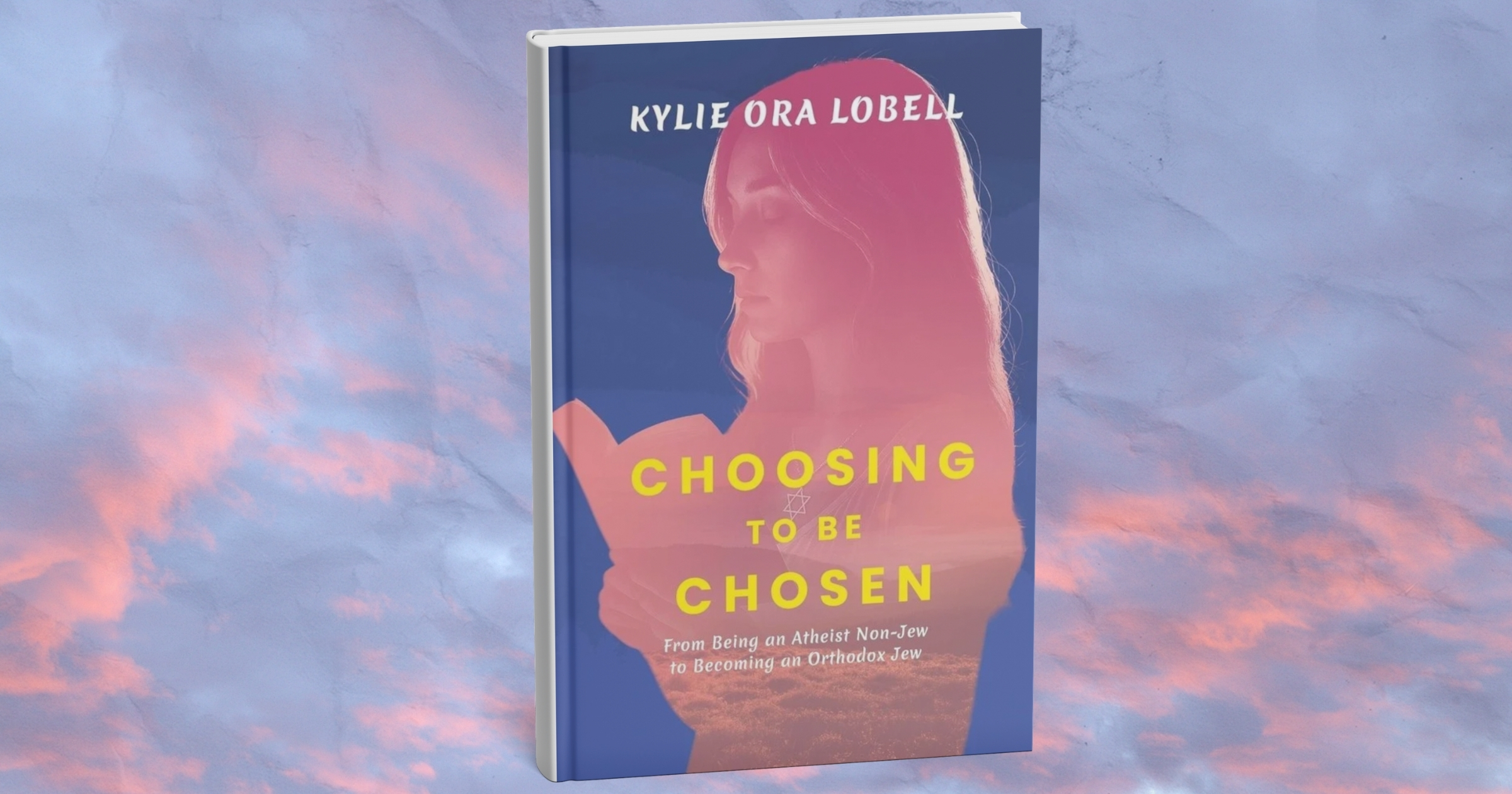
Every Jew should read a memoir by a convert to Judaism. Understanding the commitment and sacrifices of a Jew by choice will awaken not only empathy for converts but also foster appreciation for the “automatic” belonging of those born Jewish. Award-winning journalist Kylie Ora Lobell’s Choosing to Be Chosen (Wicked Son) is a welcome addition to the relatively sparsely populated category of contemporary Jewish conversion memoirs.
Lobell’s is a tender and candid story of becoming, a bildungsroman about a naïve Catholic girl from Baltimore born into a blue-collar family. The book describes how, as a young girl, she struggles with loneliness, anxiety and depression, especially after her parents’ divorce and the death of her beloved paternal grandmother. High school and college provide little relief to her eroding childhood faith, intensifying her yearning for belonging and meaning.
Then she falls in love with Danny Lobell, a struggling stand-up comedian living in a hipster Brooklyn neighborhood who has rejected the Modern Orthodox community in which he was raised. Through their relationship, Lobell’s self-awareness and spiritual awakening begin to blossom.
Part of what makes this memoir endearing is the admitted innocence, and sometimes ignorance, of the narrator: “Before I ever decided to convert or went to Chabad with Danny,” Lobells writes, “I thought Judaism just meant that you were neurotic, you ate at delis, and you lifted people onto chairs during bar and bat mitzvahs.”
Her learning curve is steep. It is, therefore, a pleasure to see Lobell’s insecurities and anxieties diminish as she takes conversion classes and learns about Judaism. Once she realizes that an Orthodox conversion is what she wants, she wholeheartedly commits to it.
As is often the case in relationships when a non-Jewish partner embarks on a conversion journey, there’s resistance from the Jewish partner. Danny, who has rejected his faith, feels threatened by her observance, revealing that he “had a horrible experience with [Orthodoxy] and I’m not coming back.”
Despite his anger, Lobell’s gentle “show don’t tell” approach to Orthodox Judaism eventually wins him over. As her religious observance and faith in God deepen, the two embrace an observant lifestyle together.
While the decision of a memoirist to withhold information to protect individuals is understandable, more detail about Danny’s experience at yeshiva and his opposition to Orthodoxy might have added nuance to his character. Additionally, Lobell’s use of the past tense when she notes facts she learns about Judaism is a curious choice: “I also learned that Jews didn’t eat meat and milk together….” Judaism, after all, is a living tradition and not a dead religion.
The Jewish tradition of not pointing out that someone is a convert is intended to underscore their full acceptance and inclusion in Am Yisrael. This custom might be well-meaning, but it has also led to a marginalization, or even erasure, of converts’ narratives and experiences, which enrich the greater story of the Jewish people.
The saga of Ruth, our archetypal convert, should not be the only conversion story we emulate and retell. Stories like Lobell’s deserve to be celebrated, and her candor and generosity make her memoir a valuable addition to our richly diverse Jewish narrative.
Nina B. Lichtenstein is the author of the memoir Body: My Life in Parts (2025) and Sephardic Women’s Voices: Out of North Africa (2017), the founder of Maine Writers Studio and the co-founder and co-editor of the literary magazine In a Flash.
 Facebook
 Instagram
 Twitter
Leave a Reply