




Being Jewish
Commentary


Breaking the Silence Around Dinah
Our annual torah cycle returns us to the same portions each year, but we do not necessarily hear them the same way every time. Vayishlach in Genesis—this year read on November 28—includes Jacob’s return with his family to Canaan. In chapter 34, the parsha also tells us about the rape of Dinah, his daughter.
Vayishlach records her father’s silence (“Jacob heard that he had defiled his daughter Dinah; but…kept silent….”) and her brothers’ reactions (“they were distressed and very angry”). But the only action given to Dinah precedes the assault: When her family was in Shechem, “she went out to visit the daughters of the land.” The prince of Shechem desired her and “lay with her.” We read this chapter, turn the page and move on.
When my high school principal discussed this story, she explained that Dinah was responsible for her own rape because she had immodestly ventured from her household. I objected to that interpretation. She pointed to a friend and me: Our modest clothing, she claimed, showed we knew how to behave and therefore had nothing to fear. I still think about that classroom. What if a classmate had experienced an assault? How would she have interpreted the principal’s remarks?
Commentaries on Dinah discuss whether Jacob should have spoken up and if her brothers went too far in massacring the people of Shechem in revenge. Dinah is barely mentioned. The Torah opens a discussion about sexual violence; our teachings shut it down.
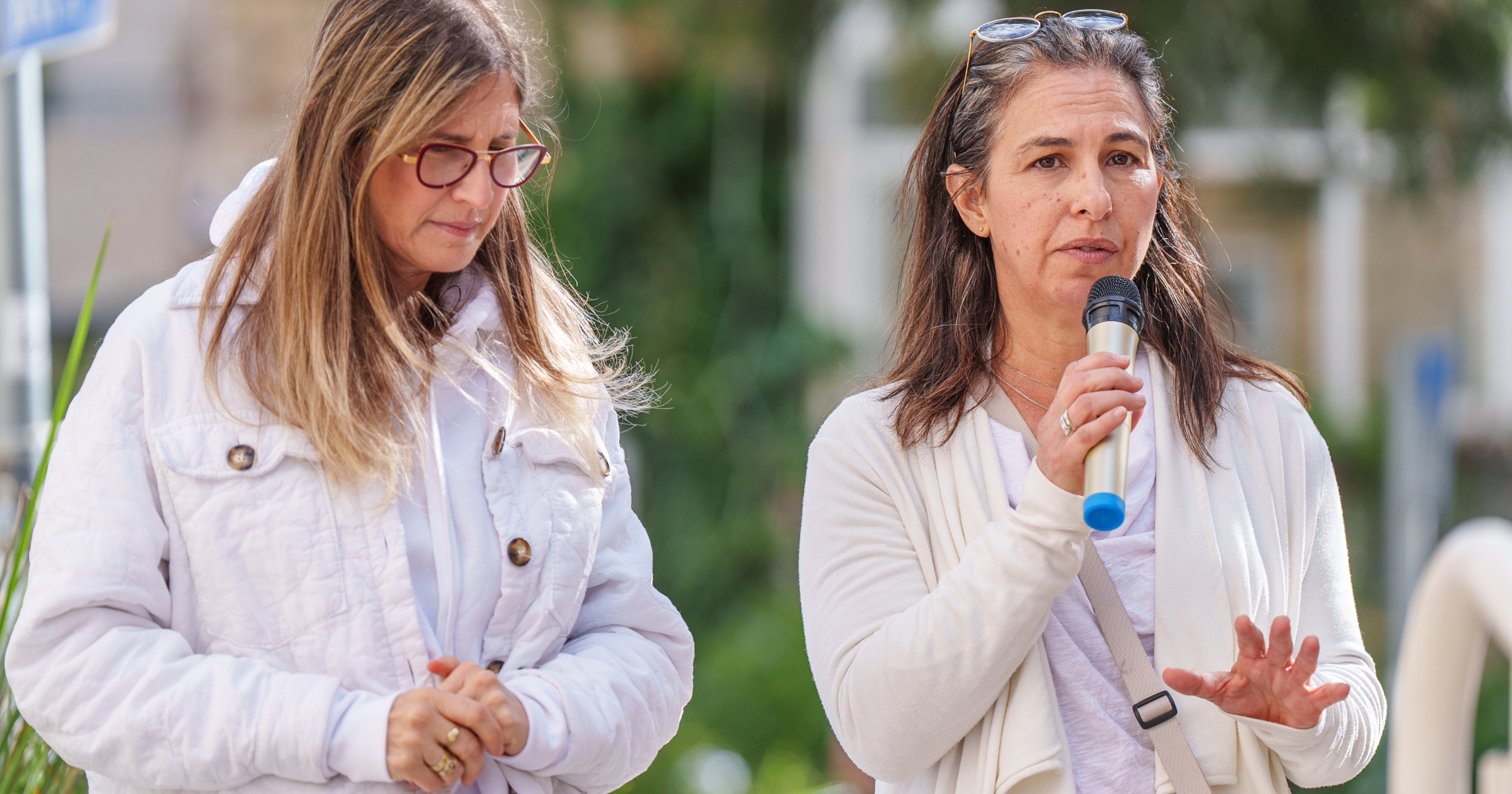
Today, my work in Israel and the United States as a rabbanit involves challenging misinformation around sexual abuse, answering halachic questions and helping support victims.
This work inspired me to co-found Dinah Week in 2023 with Rabbi Tamar Elad Appelbaum and Rabbi Inbar Bluzer Shalem in Israel and American educators Rabba Daphne Lazar Price and Rabbi Menachem Creditor. Held
the week before the reading of Vayishlach, Dinah Week encourages Jewish communities to strengthen sexual abuse prevention and education. We also released Torat Dinah, an anthology of contemporary Jewish writings on abuse and trauma.
Included in the anthology are the words of Israeli social worker and poet Orit Klopstock, who writes of Dinah: “Her silence splits the sea/ Breaches the walls of the home.”
Survivors do not owe us their testimony. The silence that needs breaking is ours: our failure to listen, respond and create communities where survivors can seek help.
The need to listen to survivors has never felt more urgent after the sexual violence committed by Hamas on October 7, 2023, and against some hostages held in Gaza.
While the October 7 assaults were conflict related, data shows that societal and domestic sexual violence continues to be a problem in Israel. In 2025, the most recent year for which numbers are available, Israel’s rape crisis centers received more than 65,000 requests for assistance, according to the Association of Rape Crisis Centers in Israel, a Hadassah Foundation grantee. This is an increase of 14,000 calls from the previous year. According to the association, a significant number of callers described being retraumatized by the events of October 7.
Dinah Week turns the annual reading of Vayishlach into an opportunity for communal training. In Jerusalem, congregations from different denominations assemble on Dinah Street for prayers, singing and learning. These gatherings do more than reinterpret a Torah story; they ask what responsibility looks like.
Today, I want all students and every woman who walks into synagogue to know that if she is harmed, someone will believe her and help her find support. We cannot give Dinah back her words. But we can read her story more responsibly.
Rabbanit Sarah Segal-Katz is the co-founder of Dinah Week, founder of Gluya Magazine, which offers resources for Dinah Week, and co-editor of Torat Dinah: An Anthology of Essays, Poems and Prayers. A native Jerusalemite, she lives in Riverdale, N.Y.
 Facebook
 Instagram
 Twitter

Leave a Reply