




About Hebrew


The Many Meanings of the Hebrew Root for ‘See’
Seeing is believing, they say, but in hebrew, seeing can be even more of an eye-opener. Take the example of the root ר–א–ה (resh-aleph-heh), to look or see, but also to understand. Appearing more than 1,300 times in Scripture, the root has a wide variety of meanings.
In Genesis, in a heartbreaking example, a banished Hagar pleads אַל אֶרְאֶה (al er’eh), “Do not make me witness,” the death of her son, Ishmael. In an example of biblical sarcasm, Joseph’s brothers, plotting to kill him, say נִרְאֶה מַה יִּהְיוּ חֲלֹמֹתָיו (nir’eh mah yihyu halomotav), “Let’s see how he handles his dreams now.” What appears like God’s test of the prophet Jeremiah’s talent as a “seer” ends with God giving him a positive evaluation: הֵיטַבְתָּ לִרְאֹות (hei-tavta lir’ot), “You have seen right.” A literary synesthesia—where a text blends two senses together—occurred at Sinai, as the Israelites רֹאִים אֶת הַקֹּולֹת(ro’im et ha-kolot), “see the sounds,” that accompany revelation. Using personification, another literary technique, Psalm 114 turns the split Red Sea into an Egyptian soldier who רָאָה וַיָּנֹס (ra’ah va-yanos), “saw and fled,” the advancing Israelites. In the Song of Songs, the lover doubles down on our root, הַרְאִינִי אֶת מַרְאַיִךְ (har’ini et mar’ayikh), “Let me see how you look.”
Interestingly, the imperative form of the verb, רֽאֵה (re’eh), literally, “See,” is used 40 times in the Hebrew Bible as a lexical filler at the beginning of a sentence, like “Well” or “Like,” a placeholder that often has no literal meaning.
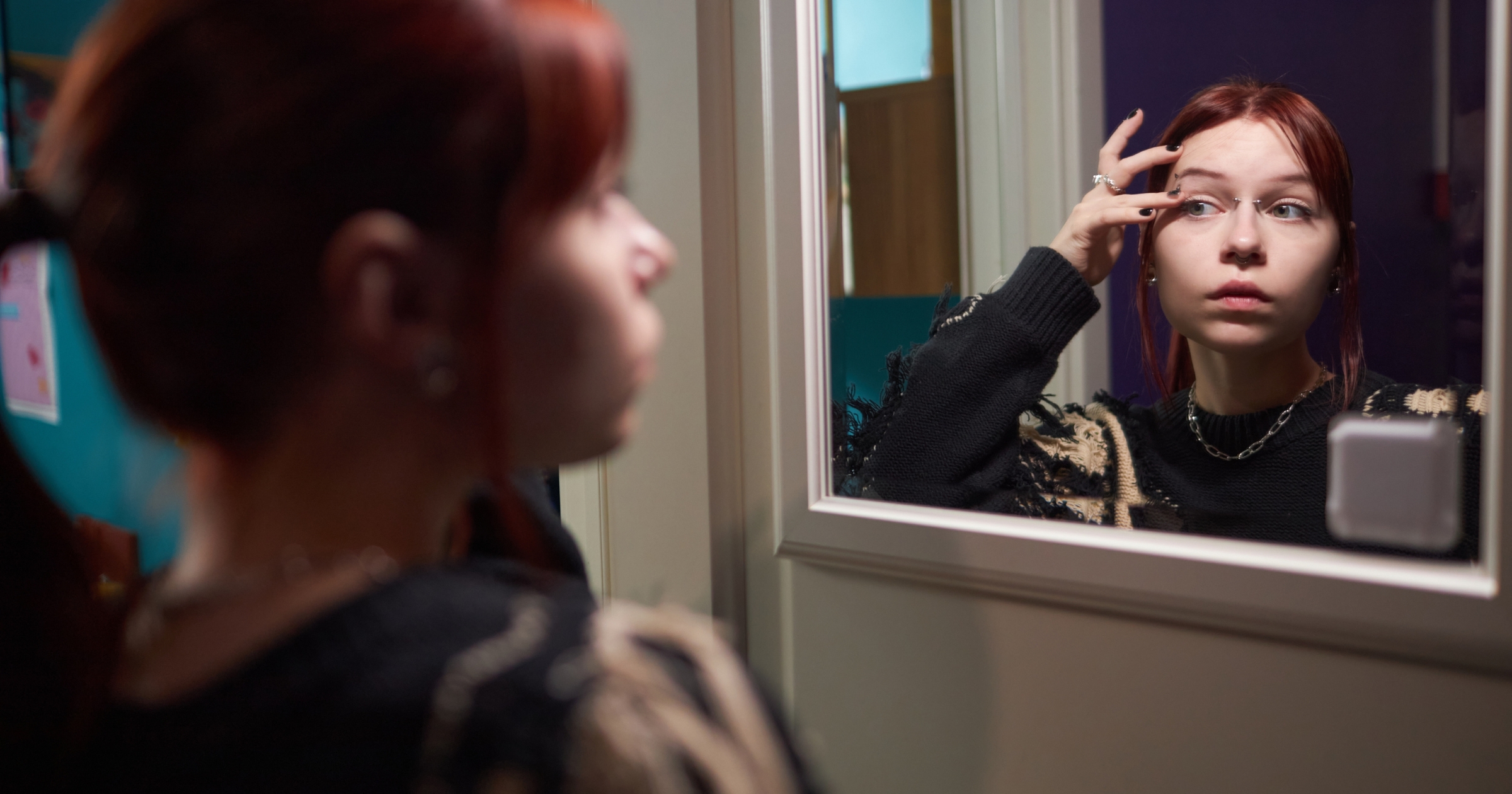
Today, כַּנִרֽאֶה (ka-nir’eh), so it seems, everyone will stop and look at a striking חַלּן רַאֲוָה (halon ra’avah), shop window, or glance at the רֽאִי (re’i), mirror, on the wall before going out. It’s רָאוּי (ra’ui), proper, to disagree graciously, saying, ?נִרֽאֶה לֽךָ (nir’eh lekha?), “You think so?” From the נֽקֻדַּת רֽאוּת (nekudat re’ut), point of view, of a ראֶה חֶשְׁבּוֹן (ro’eh heshbon), accountant, career success is all about numbers; for lawyers, it’s convincing רֽאָיָה (re-ayah), evidence; and for journalists, a juicy רֵאָין (re’ayon), interview.
Our root also has a prime place in Jewish history. In Israel after 1967, the return to Jewish control of matriarch Rachel’s burial place was celebrated in the song “Shuv Lo Nelech,” (“We Shall Go No More”), with its refrain רֽאִי רָחֵל רֽאִי (re’i rahel re’i), “See Rachel see/ [Your children have come home].” Dating to the 16th century is the צְאֶינָה וּרְאֶינָה (tze’enah u-re’enah), literally, “Go forth and see,” pronounced Tzeneh-Reneh in Yiddish and known as the monumental “Jewish Women’s Bible.” Ashkenazi women educated themselves with this Yiddish adaptation and translation of selected biblical texts.
We’ve come to the end of the column and it’s time to say לְהִתְרָאוֹת (le-hit-ra’ot), see you later. Or, since we’re among friends, let’s just end with the shorter !לֽהִית (le-hit), See ya!
Joseph Lowin’s columns for Hadassah Magazine are collected in HebrewSpeak, Hebrew Talk and Hebrew Matters.
 Facebook
 Instagram
 Twitter


Leave a Reply