




Health + Medicine


Hadassah Reimagines the Future of Brain Medicine
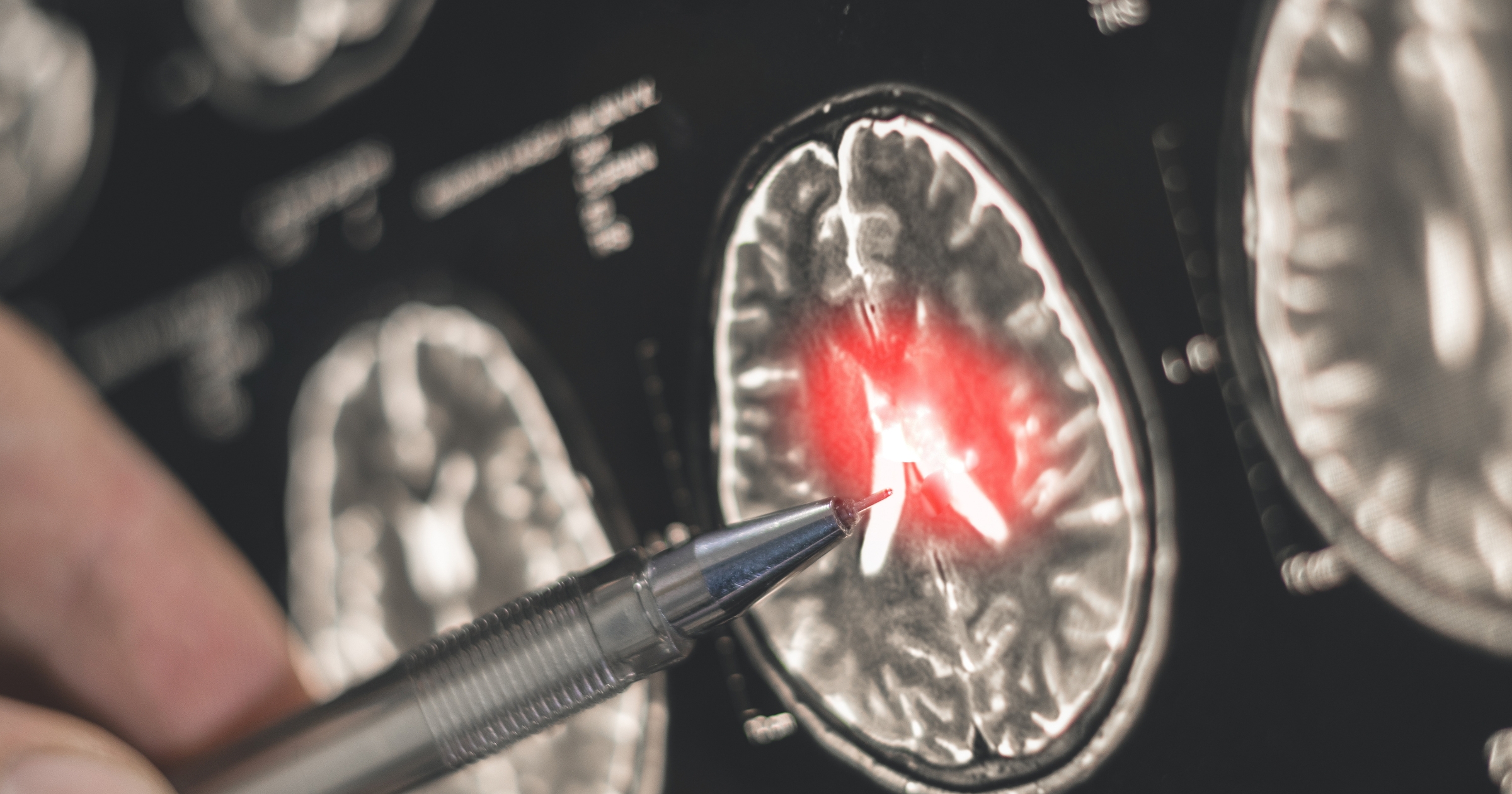
Tova, 79, asks the same question three times during one short exchange. Alzheimer’s disease has eroded her brain networks, and her ability to store and retrieve memories is steadily diminishing. Michael, 69, whose hands tremble uncontrollably, needs 10 minutes to button his shirt; the finely tuned brain circuits that once controlled this routine task have been disrupted by Parkinson’s disease. Yael, 47, wakes each morning wondering whether her multiple sclerosis will allow her legs to carry her steadily through the day.
Neurological conditions, including the brain disorders suffered by these three patients at the Hadassah Medical Organization in Jerusalem, are among the world’s greatest health challenges. According to the World Health Organization, over one in three people worldwide are impacted by a neurological condition, a category encompassing Alzheimer’s and MS as well as epilepsy, strokes and other ailments. Even as doctors and researchers at HMO and worldwide are searching for new treatments to relieve symptoms, they believe the future lies in recognizing the brain as an interconnected whole and finding ways to protect it before disease takes hold and damage is irreversible.
“For decades, medicine’s greatest successes have been measured in longer lives, but today’s challenge isn’t simply adding years. It’s adding years that are healthy and productive,” said Dr. Tamir Ben-Hur, Israel S. Wechsler professor of neurology, chairman of the Division of Clinical Neurosciences at Hadassah Hospital Ein Kerem and one of the primary researchers at HMO using new medical technologies to address brain diseases. “For most people, longevity is worth little unless they can think clearly, move independently and maintain relationships. This is why neuropsychiatric diseases are health care’s last frontier.”
Dr. Ben-Hur uses the term “neuropsychiatry” deliberately. The word recognizes the link between the brain and behavior as well as the growing understanding that the brain cannot be neatly divided into separate systems.
“Neurological disorders, such as Alzheimer’s, Parkinson’s and multiple sclerosis, often bring psychiatric and behavioral changes,” he said. “And conditions traditionally viewed as psychiatric or neurodevelopmental—schizophrenia, autism and more—are increasingly understood in terms of biology and development.”
Hadassah On Call, one of Hadassah’s premier podcasts, helps decode today’s top developments in medicine, from new treatments to tips for staying healthy. In each episode, journalist Maayan Hoffman, a third-generation Hadassah member, interviews one of the Hadassah Medical Organization’s top doctors, nurses or medical innovators. Check out past episodes, including an interview with Dr. Dina Ben-Yehuda, one of Israel’s leading hematologists, who discusses precision medicine, which involves treatments tailored precisely to each person’s genetic makeup, lifestyle and environment. Upcoming episodes include discussions of GLP-1s and Hadassah innovations in treating neurological disorders. Subscribe at hadassah.org/hadassahoncall or wherever you listen to podcasts.
Tova’s disease likely began over a decade ago, long before symptoms were visible. Lost brain tissue is not rebuilt, and the best care that Dr. Ben-Hur can offer her is medication that may slow the progression of her illness.
As more people are living longer, and since the risk of Alzheimer’s doubles every five years after age 65, the disorder is at epidemic proportions, affecting roughly 40 million people worldwide, he said. “The drugs we have neither stop nor cure it, but they’re important proof that its course can be modified.”
Researchers at HMO are hoping to do more than modify the disease course. They are exploring whether early intervention can prevent damage. The idea began with an intriguing discovery made at Hadassah: A study led by urology department head Dr. Ofer Gofrit observed that bladder cancer patients treated with the Bacille Calmette-Guérin vaccine were less likely to develop Alzheimer’s disease than bladder cancer patients who did not receive the vaccine.
First developed in the 1920s to prevent childhood tuberculosis, the vaccine has long been used as an immunotherapy treatment for bladder cancer. Supported by grants from the Israel Science Foundation and the Cure Alzheimer’s Fund in the United States, Dr. Ben-Hur and his team are now researching it to see whether it can help protect the brain before Alzheimer’s destroys it.
They began by recruiting 700 men and women, aged 65 to 80, none of whom had cognitive symptoms of Alzheimer’s, for a five-year clinical trial. All underwent blood tests for biological warning signs of the disease—signals known as biomarkers that indicate Alzheimer’s-related changes long before patients or their families are aware of any cognitive decline.
“The recent discovery of blood biomarkers has revolutionized Alzheimer’s research,” Dr. Ben-Hur said. “It’s given us a simple screening tool years before symptoms appear, allowing us to test treatments when they have the best chance of helping.”
Among those in the Hadassah study is Dr. Ben-Hur himself. “Even though there’s no proven treatment, I wanted to know whether I had the biomarkers,” he said. “At the very least, I could plan my life ahead.”
Those in whom early signs of the disease are found (Dr. Ben-Hur is not among them) receive three doses of the vaccine. Preliminary results suggest improvements in the biomarkers.
Until this or any other approach is proven effective, however, prevention is medicine’s most powerful tool. And, Dr. Ben-Hur notes, it is largely under our own control: our lifestyle.
“Lifestyle alone won’t eliminate neurodegenerative disease, but it can shift the odds,” he said. “Controlling risk factors—high blood pressure, diabetes, unhealthy cholesterol levels, smoking—can reduce susceptibility
to cognitive decline. A diet rich in vegetables and fish, together with regular physical and mental activity, and good sleep habits all promote brain health.”
Neuropsychiatric researchers at Hadassah are looking backward and forward—not only repurposing a century-old vaccine but also developing some of today’s most advanced medical strategies, including organoids and stem-cell technology.
A major bottleneck in developing treatments for brain disorders is the lack of reliable ways to test them. An effort to overcome this is underway in HMO’s pediatric division, where, as part of his research into autism, department head Dr. Ariel Tenenbaum is collaborating with biotech startup Itay & Beyond to develop a human-based drug-testing platform. The company combines brain organoids—miniature living models of lab-grown human brain tissue—with electronic chips to help predict how drugs will work. Still in early stages, the technology cannot yet replicate the full complexity of the human brain.
Dr. Ben-Hur is hoping that stem-cell technology may, in the near future, help repair and protect the damaged nervous system in conditions such as MS and Parkinson’s. “In the next 10 to 20 years, I’m optimistic that early preclinical diagnosis combined with effective interventions will lessen the impact of these costly and devastating diseases,” he said. “We’re getting closer to a clinical trial using stem-cell therapy to regenerate the MS-damaged brain. Our goal is to see whether these cells, derived from human embryonic stem cells, can repair the damage caused by the disease.”
Dr. Ben-Hur and his group laid the scientific foundation for this some 25 years ago, when they were among the first in the world to show that stem cells have powerful therapeutic properties that can reduce harmful inflammation and promote repair after brain injury.
“Our somewhat naive hope was that stem cells would function like replacement parts, restoring what was lost to disease,” he explained. “What we discovered was that they play a more subtle and potentially more powerful role. Rather than simply replace damaged tissue, neural stem cells act as ‘medicine factories,’ releasing signals that calm inflammation, protect vulnerable cells and activate the brain’s own repair mechanisms. But we need more.”
Now, working with Hadassah stem-cell pioneer Dr. Benjamin Reubinoff, he hopes to harness the regenerative potential of stem cells to restore damaged myelin, the protective coating around nerve fibers that MS destroys.
While the human brain remains one of medicine’s greatest therapeutic challenges, Dr. Ben-Hur is optimistic. “In my lifetime,” he said, “I believe we’ll see disease-modifying treatments for some of the major neuropsychiatric disorders.”
Wendy Elliman is a British-born science writer who has lived in Israel for more than five decades. She is the author of the new book, The Outsiders Who Built Irish Entertainment: Maurice and Louis Elliman.
 Facebook
 Instagram
 Twitter

Leave a Reply