




Books
Fiction


REVIEW: ‘Remember to Eat’
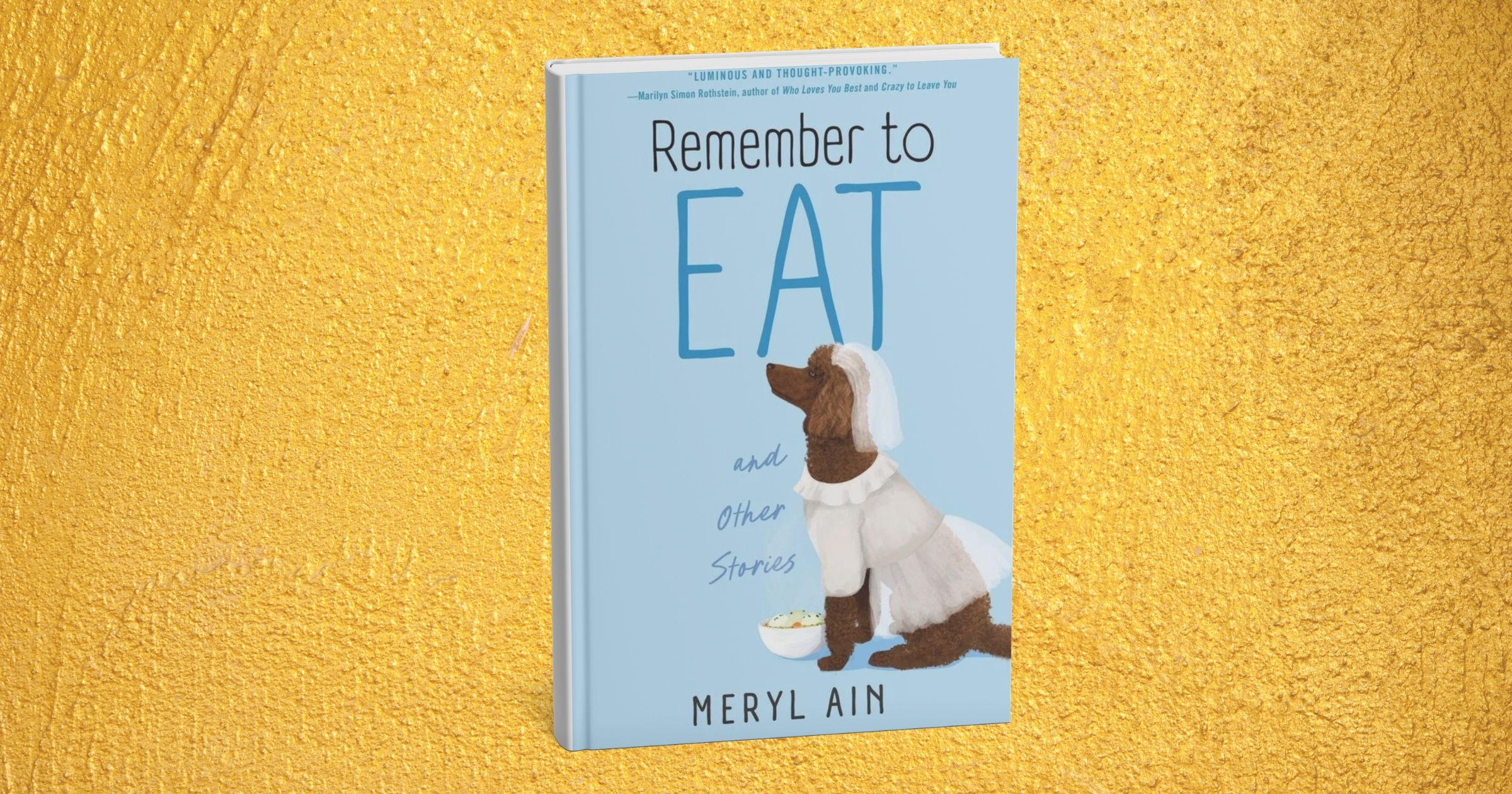
Families are a rich source material for writers, and Meryl Ain’s short story collection, Remember to Eat (Spark Press), delves into the complexities of familial relationships. Through 22 stories, Ain follows one Jewish family over multiple generations, from the years before World War II to the present and near future. Centered on Baby Boomer Marjorie and her mother, Alice, as well as those in their orbits, Ain captures how their roles evolve over time, shaped by faith, illness and life’s milestones.
Ain also explores friendship in the story “I Could Have Written That Book” and the unmooring effects of grief in “Nobody’s Child.” She is at her strongest, however, in the story “Unexpected Blessing,” in which Marjorie’s friend Bobbi laments her son’s choice to become ultra-Orthodox until a medical emergency reveals the values of the Orthodox community in action.
Too often, however, these stories are overshadowed by Marjorie’s sheer unlikability and her embodiment of some of the worst stereotypes of the Jewish mother.
In “Cherished Daughter,” Marjorie decides to surprise her daughter Deborah, repeatedly described as her “golden child.” Deborah, a new mother, has recently returned to work after a six-week maternity leave. Marjorie arrives unannounced to see her new grandchild, who is with a nanny, bearing an array of food. When the nanny refuses to let her into the apartment without first checking with Deborah, Marjorie takes it as a personal affront and cannot understand why she should ask permission to visit.
Rather than recognizing that her daughter is an independent adult juggling a high-powered job and new motherhood, Marjorie concludes that her daughter belongs to “a new generation—one of entitlement and empowerment and privilege.”
She also reviews everything she has done for her daughter since her birth, making it clear that she sees the relationship as transactional.
Some of the stories feel out of place, as if they’d been added to the collection with no anchor or larger purpose. The epilogue—a poem—is a confusing note on which to end the book, especially when the previous story contains a strong closing line from Marjorie: “Perhaps just living, and not analyzing, was the secret.”
As a whole, Remember to Eat provides a thought-provoking window into Jewish family life, exploring what we owe each other, what it means to show up and whether we truly see the people closest to us. Ain is a keen observer of nuance, bringing unspoken feelings to the page and making this a deeply human collection.
Jaime Herndon is a writer and avid reader. Her work can be found at Book Riot, Kveller and other places.
 Facebook
 Instagram
 Twitter

Leave a Reply