



Being Jewish
Commentary


In Every Generation, Defiant Women Rise to Redeem the Jews
There is no shortage of Jewish heroes to celebrate during Women’s History Month, which is observed in March and this year bookended by Purim, on March 2, and Passover, which starts the evening of April 1. From Queen Esther to the female soldiers serving in the Israeli army, including female air force pilots flying sorties over modern-day Persia in support of the new war against the Islamic regime in Iran; from Miriam to the female hostages who were held captive by Hamas, these defiant, inspirational, righteous women sacrificed for the Jewish people, whether they lived in ancient Persia or Egypt or in the modern State of Israel.
The Hebrew phrase for righteous women, “nashim tzidkaniyyot,” and its connection to redemption comes from the Talmudic reading of the Passover story. In the biblical narrative, it was women who defied Pharaoh to save Jewish male infants. The rabbis of the Talmud also recorded that Jewish women during that time prepared meals for their husbands and beautified themselves in order to seduce them, all to combat the men’s despair and reluctance to bring children into their difficult world.
For their active role in preserving their people, the Talmud refers to those Jewish women as “righteous.” As Rav Avira taught: “In the merit of the righteous women who were in that generation, the Jewish people were redeemed from Egypt” (Sotah 11b).
Later sources, such as the 16th-century Kabbalist sage Rabbi Isaac Luria, created an addendum to the Talmudic phrase: “In the merit of righteous women, we were redeemed, and in the merit of righteous women, we will be redeemed.”
I have often wondered what actions performed by women today could bring about a redemption of the Jewish people. After October 7, 2023, I have an answer.
Over the last two-plus years, I have watched women in Israel respond to the existential crisis created by the Hamas terror attacks and ensuing war in Gaza by saving lives, building unity and giving comfort. Policewomen, female paramedics and soldiers raced into the war zone to rescue and heal the wounded. Young female hostages emerged from the tunnels of hell with their heads held high, shaping hearts with their hands, giving the nation permission to exhale. Bereaved mothers and widows chose forgiveness and publicly called for national unity. These heroes offered a distraught nation hope and inspiration.
Amid the turmoil of the war, in July 2025, my great friend and partner-in-activism, photographer Laura Ben-David, passed away after a two-year battle with ovarian cancer. Laura had photographed Jewish women and girls for a photo bank established by my Jewish women’s advocacy organization, Chochmat Nashim, so that Orthodox women would literally be put back into the picture at a time when the haredi world was, due to false claims of modesty, erasing their images from print publications, advertisements and what felt like everyday life.
I was driven to honor Laura as a champion for her people, a righteous woman. Channeling everything I knew of her, I realized that the greatest honor would be for Chochmat Nashim to rename its photo bank for her—it is now the Laura Ben-David Jewish Life Photo Bank—and to recognize Israel’s wartime female heroes at an event in her honor.
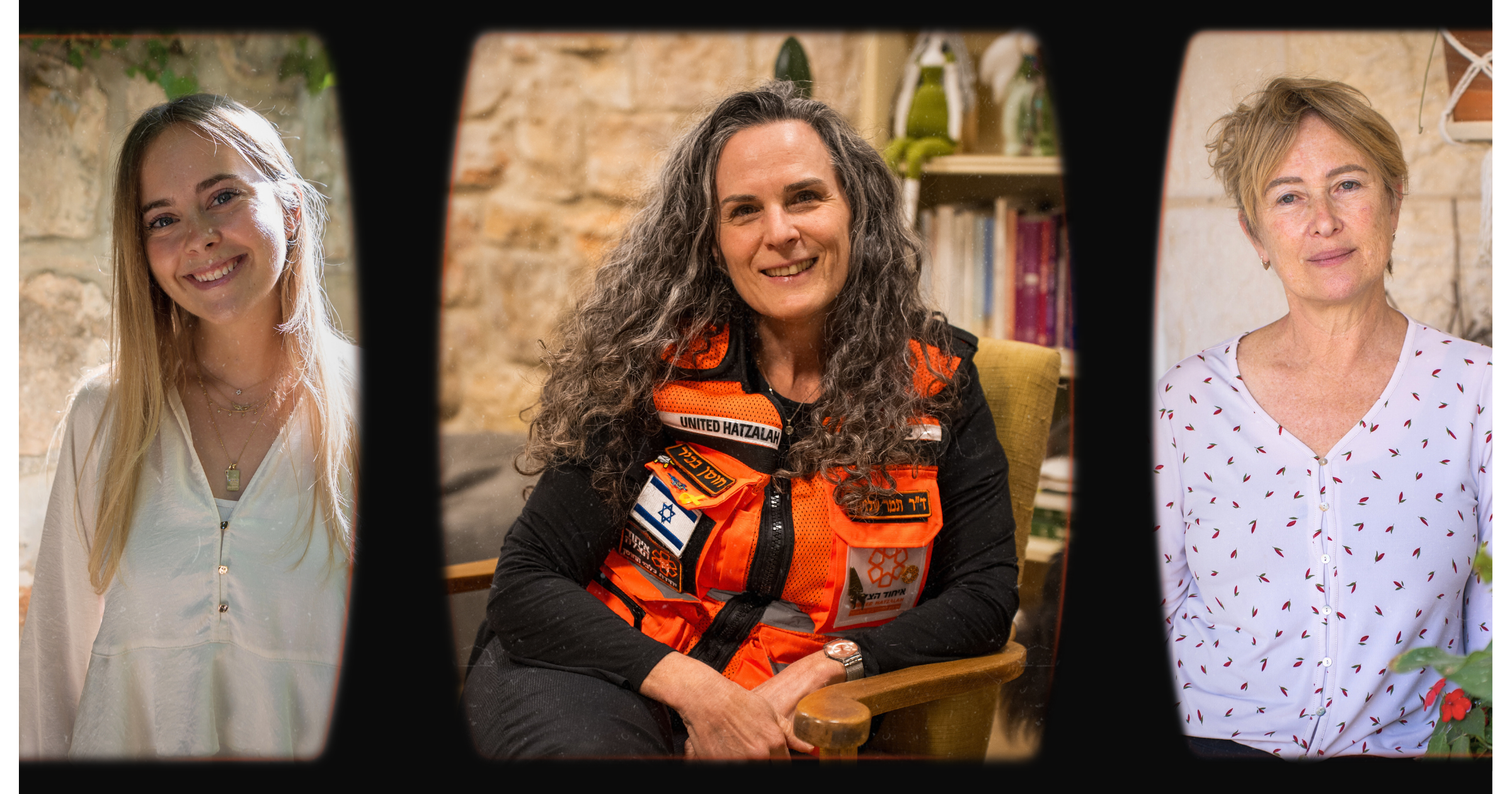
And so, the Women of Iron Awards, conferred at a ceremony in Jerusalem in December, were born. (Find the list of the 18 recipients and a virtual exhibit of their portraits and stories here.)
Among the heroes given the award were Iris Haim, an outspoken voice for unity and forgiveness after her hostage son, Yotam, was mistakenly shot and killed by the Israel Defense Forces in Gaza; Senai Guedalia, a young war widow who started an evening gown gemach in her husband’s name so that women could borrow clothes to make them feel beautiful as they danced at simchas; and Tamar Shlesinger, a trauma therapist who, on October 7, remained on the phone for 12 hours with two young siblings hiding in a closet after they had witnessed their parents’ murder.
As we learn from Queen Esther’s daring that saved the Jews of Persia, from the courageous women in Egypt and from today’s “women of iron,” our history is rich with women who defied those in power and stepped into roles for which they were often unprepared.
Some women even gave their lives in defense of their nation, and we cannot forget their sacrifice.
They include some tatzpitaniyot, or observer soldiers, stationed at Kibbutz Nahal Oz in the South, who had alerted their IDF superiors about suspicious activity along the Gaza border in the months preceding October 7. Their warnings went unheeded, one of the key failures that led to the massacre and the army’s lack of preparedness to respond.
In Jewish tradition, redemption comes through tikkun, or repair: fixing what is broken and making amends for failure. The tikkun for the IDF and the government’s negligence must include women’s voices and perspectives. For both those who died and survived, we must rejoice in their bravery and strength.
Shoshanna Keats Jaskoll is a writer, speaker and activist living in Israel. As co-founder of Chochmat Nashim, she raises the voices and visibility of women in Judaism. Her work can be seen in The Times of Israel, The Jerusalem Post, The Jewish Chronicle and other outlets. Email info@chochmatnashim for more information on the “Women of Iron” exhibit.
 Facebook
 Instagram
 Twitter

Leave a Reply