



Food


How Israeli Farmers Prepare for Annual Shavuot Demand
Shavuot, the spring holiday when it’s customary to eat dairy foods, begins the evening of May 21. In the land of milk and honey, Israelis take that tradition—along with, perhaps, Lactaid pills—very seriously. On tables across the country you will find blintzes, pashtidot (savory quiches) and all manner of dairy delights, maybe even the results of the accompanying recipe for No-Bake Tahini Cheesecake from my new cookbook, Zariz.
To keep up with demand, dairy farmers across Israel work overtime, increasing production ahead of the holiday even as they continue to recover from the aftermath of two years of war that began with the Hamas attacks on October 7, 2023, and navigate the added strain of the conflict with Iran and Hezbollah.
On a day that now feels like a lifetime ago but was, incredibly, just a month before the February 28 outbreak of the Israeli-American war with Iran, I drove an hour south of Tel Aviv to visit the Treister family’s Buffalo Farm. Turning into Moshav Bitzaron, past green farmland and handsome homes, I took in a landscape that felt more Berkshires than Beersheva, in a country better known for citrus groves and high-tech startups than lush pastures.
Inside the farm’s cheese shop, a refrigerated wall stacked with buffalo milk mozzarella, burrata and yogurt set the tone. Hanoch Treister, the second generation of a family that transformed a slightly harebrained agricultural experiment into a cornerstone of Israeli food culture, greeted me with a smile.
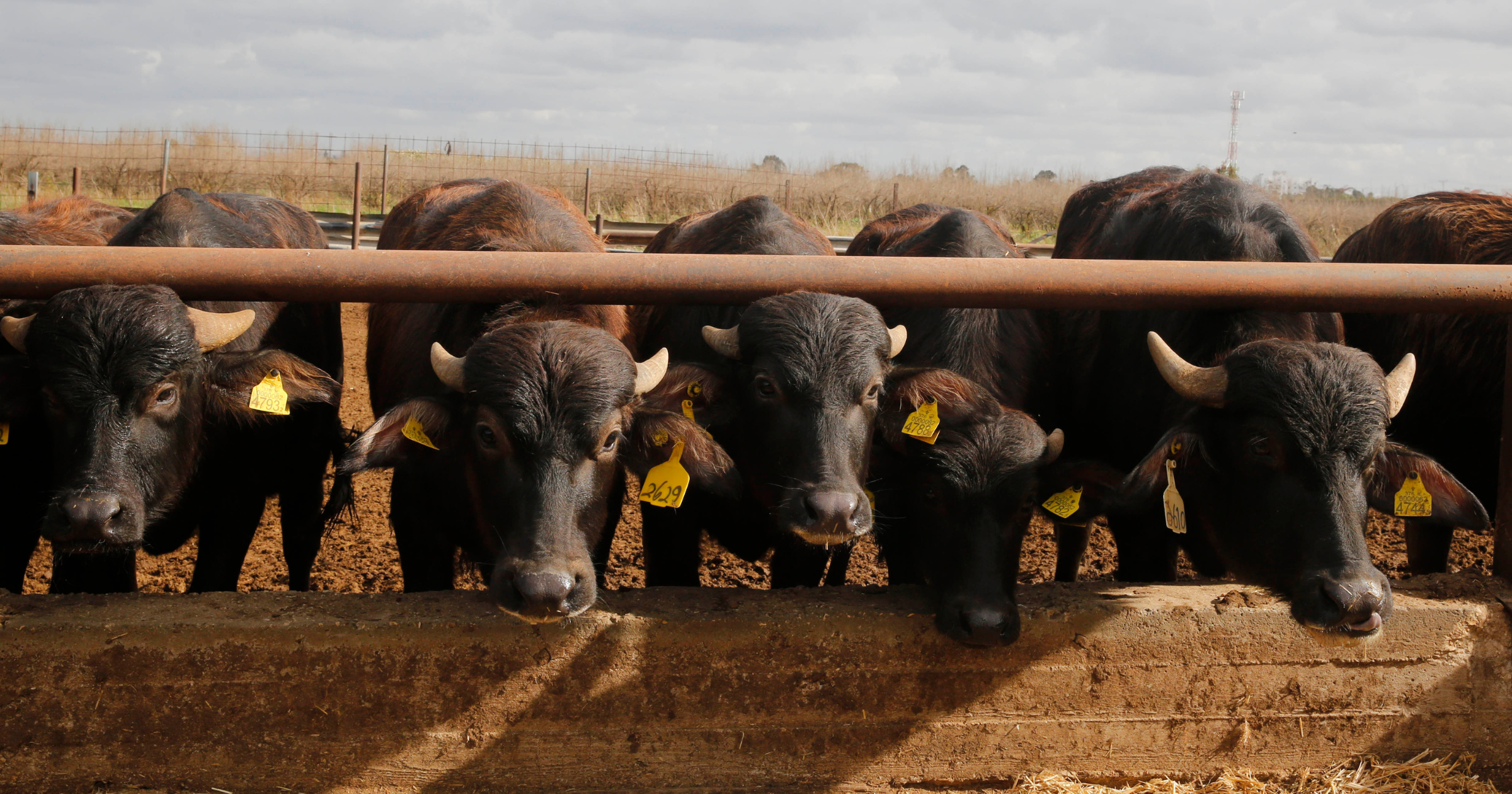
“Come, let’s go visit the animals,” he said, driving us a few minutes down the road. There, 400 buffalo munched on a custom blend of feed and lounged contentedly in muddy pens—a far cry from the farm’s early days in 1994, when his parents, Irit and Hagai, started the business.
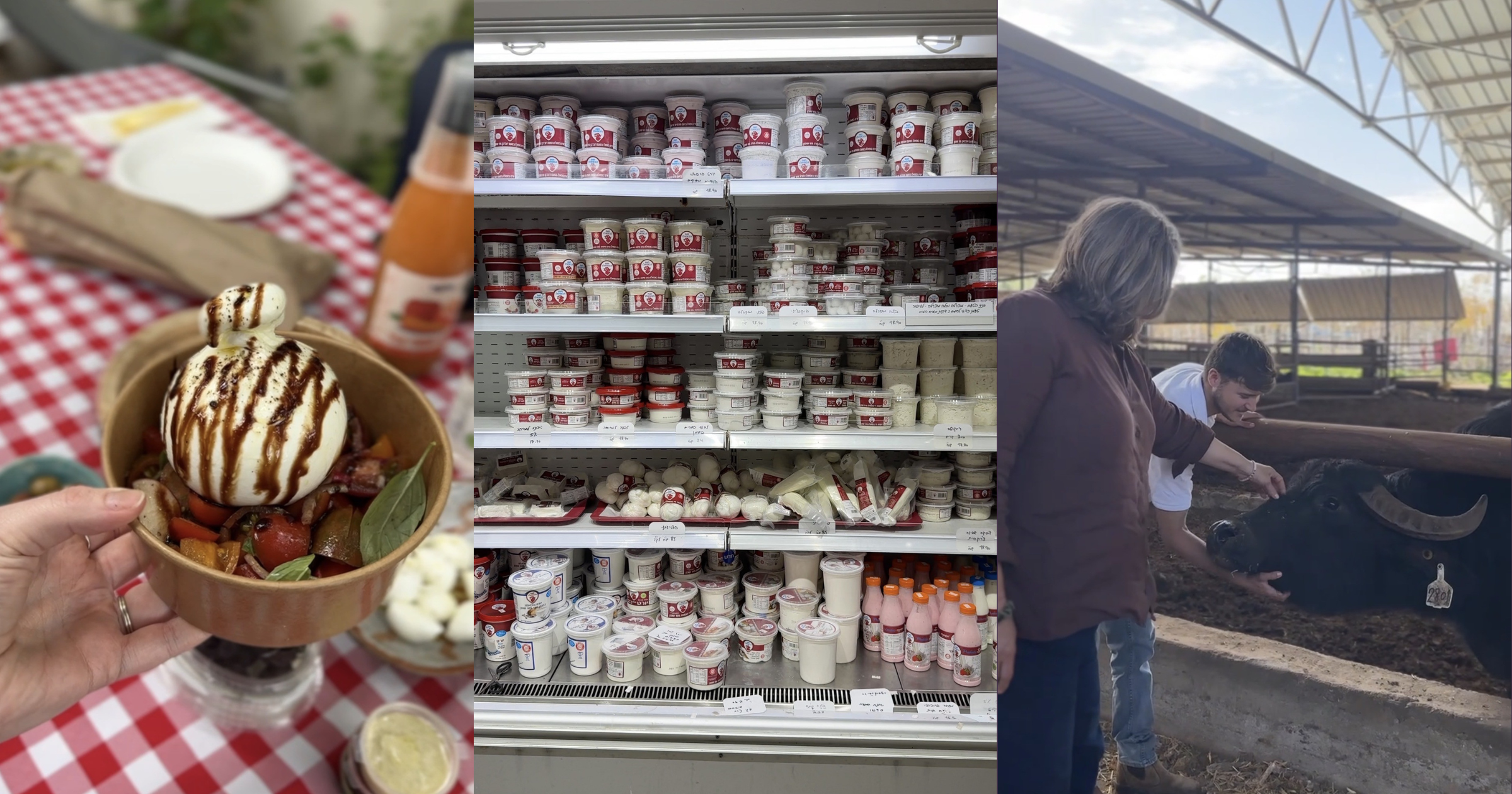
The family had farmed the land for generations, everything from Jaffa oranges to almonds and flowers, but with profits declining, they were inspired by buffalo farms they encountered on agritourism trips to Turkey and Macedonia. Navigating the bureaucratic maze of importing water buffalo from Italy’s Campania region, they forged relationships with farmers there that endure to this day.
“No one in Israel understood what we were doing or even knew what buffalo mozzarella was,” Irit Treister, who is also an artist, recalled later at her home, surrounded by her paintings and ceramics. Traditional mozzarella is made with buffalo milk, though nowadays, cow milk versions are more common.
The Treisters traveled frequently to Italy to learn milking techniques, cheesemaking traditions and herd management. But perhaps their greatest challenge was convincing Israelis to try something entirely new. Curiosity quickly turned into enthusiasm. Media coverage helped, and as Israel’s modern culinary scene began to flourish in the mid-1990s, their cheeses found their way into restaurants and home kitchens alike.
Today, their plush mozzarella and cream-filled burrata can transport you to Italy in a single bite. Their yogurts, labneh, ricotta and even buffalo milk ice cream offer a distinctive depth and tang thanks to buffalo milk’s high fat content of 6 to 8 percent. In comparison, the fat content of cow milk is typically 3.25 percent.
Despite the farm’s success, it remains tethered to the broader realities of life in Israel. Periods of conflict disrupt operations, deter visitors from the farm’s popular weekend brunches and make it difficult to maintain a steady workforce.
Still, these challenges pale in comparison to those faced by Be’eri Dairy, located on Kibbutz Be’eri in the Gaza envelope. The kibbutz suffered devastating losses on October 7. More than 100 residents were killed by Hamas terrorists and dozens taken hostage, shattering the tight-knit community where nearly every family was affected.
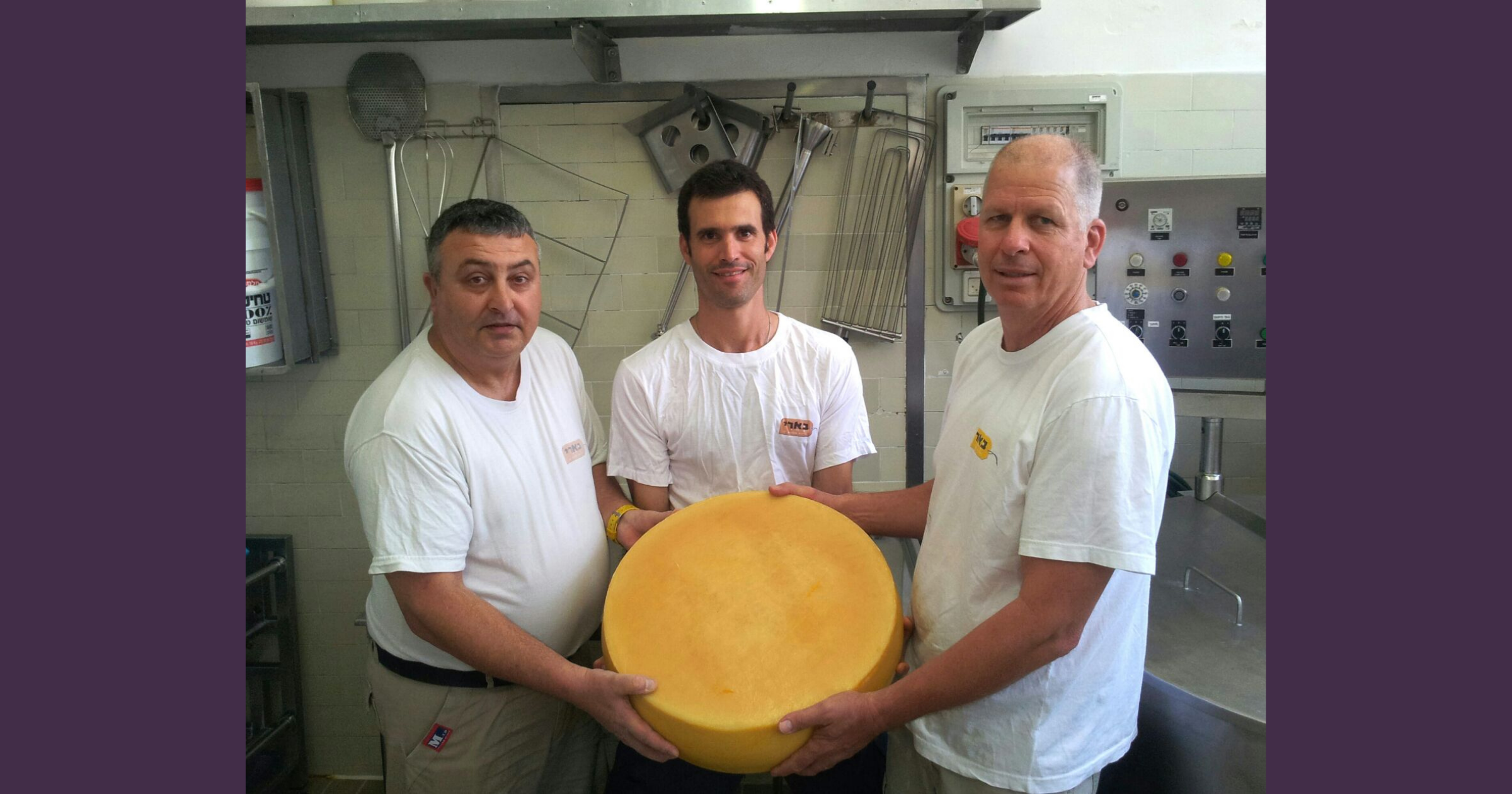
The dairy lost one of its founders, cheesemaker Dror Or, a respected artisan in Israel and internationally. His business partner, Dagan Peleg, has carried on, reopening the dairy months before Or’s death was confirmed in May 2024.
“Though Dror is not with us, we try to keep his memory alive,” Peleg told me by phone.
Before October 7, Shavuot was the highlight of the kibbutz calendar—a celebration that featured blessings for children, performances and a table whose centerpiece was a 55-pound wheel of Emmental made especially for the holiday.
Now, 80 percent of the community lives in temporary housing on Kibbutz Hatzerim, near Beersheva. While Be’eri is being rebuilt, celebrations remain on hold.
“But when we’re back,” Peleg said, “I’m going to make that huge wheel of cheese, and I’ll be thinking about Dror the whole time.”

Ingredients
- 5 tablespoons unsalted butter, melted
- 1 (8.8-ounce) package Biscoff cookies
- 1 1/2 tablespoons light or dark brown sugar
- 1/4 teaspoon kosher salt
- 3/4 cup heavy whipping cream
- 1 3/4 pounds full-fat brick- style cream cheese, drained of any excess liquid
- 1 1/2 cups full-fat labneh or Greek yogurt, drained of any excess liquid
- 1 3/4 cups confectioners’ sugar
- 3 tablespoons cornstarch
- 1 1/2 teaspoons pure vanilla extract
- 1 cup tahini paste
- 1/2 cup raspberries
Directions
- Brush the bottom and sides of a 9-inch springform pan with a bit of the melted butter, then line the bottom with parchment paper. Reserve 4 cookies. Place the remaining 28 cookies in a large Ziploc bag and seal; bash and roll with a rolling pin until fine crumbs form, 30 seconds. Add the butter, brown sugar and 1/8 teaspoon of the salt to the bag, reseal and shake until the crumbs are coated. Press crumbs firmly into the bottom of the pan; transfer to the freezer while you make the filling.
- In the bowl of a stand mixer fitted with the whisk attachment, beat the cream on medium-
high speed until stiff peaks form, 2 to 3 minutes. Scrape the whipped cream into a separate bowl, then add the cream cheese, labneh, confectioners’ sugar, cornstarch, vanilla and the remaining 1/8 teaspoon salt to the mixer bowl. Beat on high until fluffy, 2 to 3 minutes. Reduce the speed to low, whisk in the tahini, then stop the mixer and fold in the whipped cream by hand. - Remove the crust from the freezer, spread the mixture evenly over the crust, cover with plastic wrap, and chill for at least 5 hours but preferably overnight.
- Uncover, run a hot knife around the edges of the pan, release the cake, transfer to a serving dish and top with the raspberries. Crumble the reserved 4 cookies over the top and cut the cake into 10 equal-sized wedges.
Adeena Sussman lives in Tel Aviv. Her new cookbook, Zariz: 100 Easy, Breezy, Tel Aviv-y Recipes, was published in April. She is also the author of the New York Times best-selling Shabbat: Recipes and Rituals from My Kitchen to Yours and Sababa: Fresh, Sunny Flavors from My Israeli Kitchen.
 Facebook
 Instagram
 Twitter

Amy Jacoby Budish says
Sounds like a great idea, but my food science 101 class taught me that cornstarch can’t serve as a thicker without heat, so I’m wondering whether the testers found the cheesecake solidified despite this or whether we should substitute some other ingredient, or just serve frozen?
Rosanne Lutz says
I signed up for the interview but haven’t gotten q code
Arielle Kaplan says
Watch or listen to the program recording here: https://www.hadassahmagazine.org/video/48150-2/