



Being Jewish


Sephardic and Mizrahi Women Reflect on Jewish Life in America
Most of America’s estimated 7.5 million Jews trace their roots to Eastern Europe and Russia’s Pale of Settlement. But roughly 591,000 adult Jews have a different story. For many, their histories stretch back to the Golden Age of Spain and the expulsion of 1492 and, later, to the upheavals that forced Jewish communities from North Africa and the Muslim-majority countries of the Middle East in the 20th century. These are the Sephardic and Mizrahi Jews, whose traditions, languages and customs have long enriched American Jewish life.
RELATED- A Minority Within a Minority: The Sephardic American Experience
As the United States marks its 250th birthday, meet four Sephardic and Mizrahi Jewish women who are preserving that heritage for future generations, carrying forward the foods, music, rituals and family stories that remain at the heart of their communities.
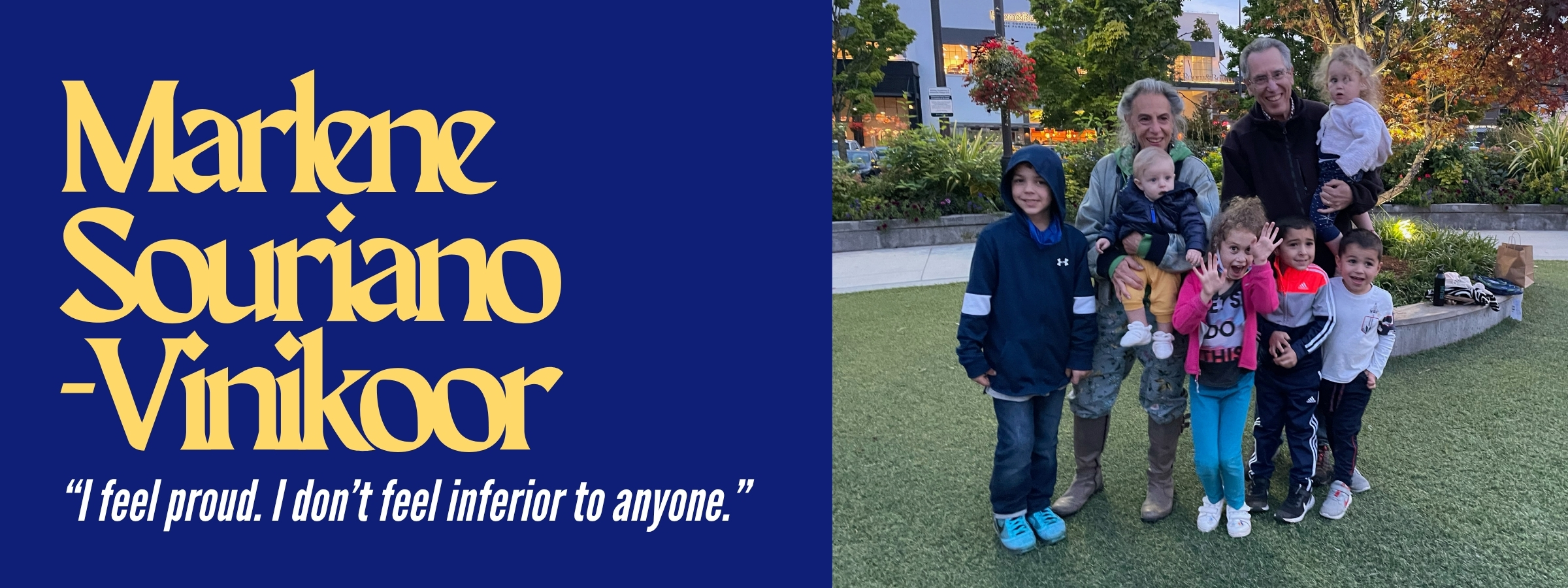
Marlene Souriano-Vinikoor grew up in Seattle’s Turkish Sephardic community. Both her parents were born in Turkey; they met and married in Seattle as young immigrants in the 1920s. She, her parents and three sisters shared a home with her maternal grandmother, who only spoke Ladino. The children would answer her in English.
Souriano-Vinikoor didn’t realize how much Ladino she had passively absorbed until her first visit to Turkey in the 1970s to meet her cousins, aunts and uncles. “They didn’t speak English, and I didn’t speak Turkish,” the 75-year-old said in an interview, “so the unifying language was Ladino.”
Like many Jews of their generation, her parents were eager to become “American,” though they maintained distinct Turkish customs, such as holding a fijola, or baby-naming ceremony, for Souriano-Vinikoor and her twin sister, Charlene. While the twins and their younger sister initially went to an Orthodox Jewish day school, their oldest sister was allowed to attend public school and a Reform synagogue, where she was confirmed. “They wanted to be assimilated,” she said, “not to the point of relinquishing what they were, but just to be modern.”
When she was 12, a redevelopment project in Seattle’s old Jewish neighborhood in the Central Area forced her family and many of their friends south, where Souriano-Vinikoor went to public school for the first time. “I didn’t really embrace or try to emphasize what I was,” she said. “I mean, I was Jewish, and that was enough.”
She earned a bachelor of arts from the University of Washington and held a variety of jobs over the years. She taught art and weightlifting and worked in a Federal Reserve Bank and for the Jewish community center.
Souriano-Vinikoor’s husband is not Sephardic, so she chose not to speak Ladino to her three children. Now grown, they are part of Jewish communities, but not Sephardic ones. The congregants in her Sephardic synagogue, Ezra Bessaroth, are elderly, she said, and it’s hard to attract younger members.
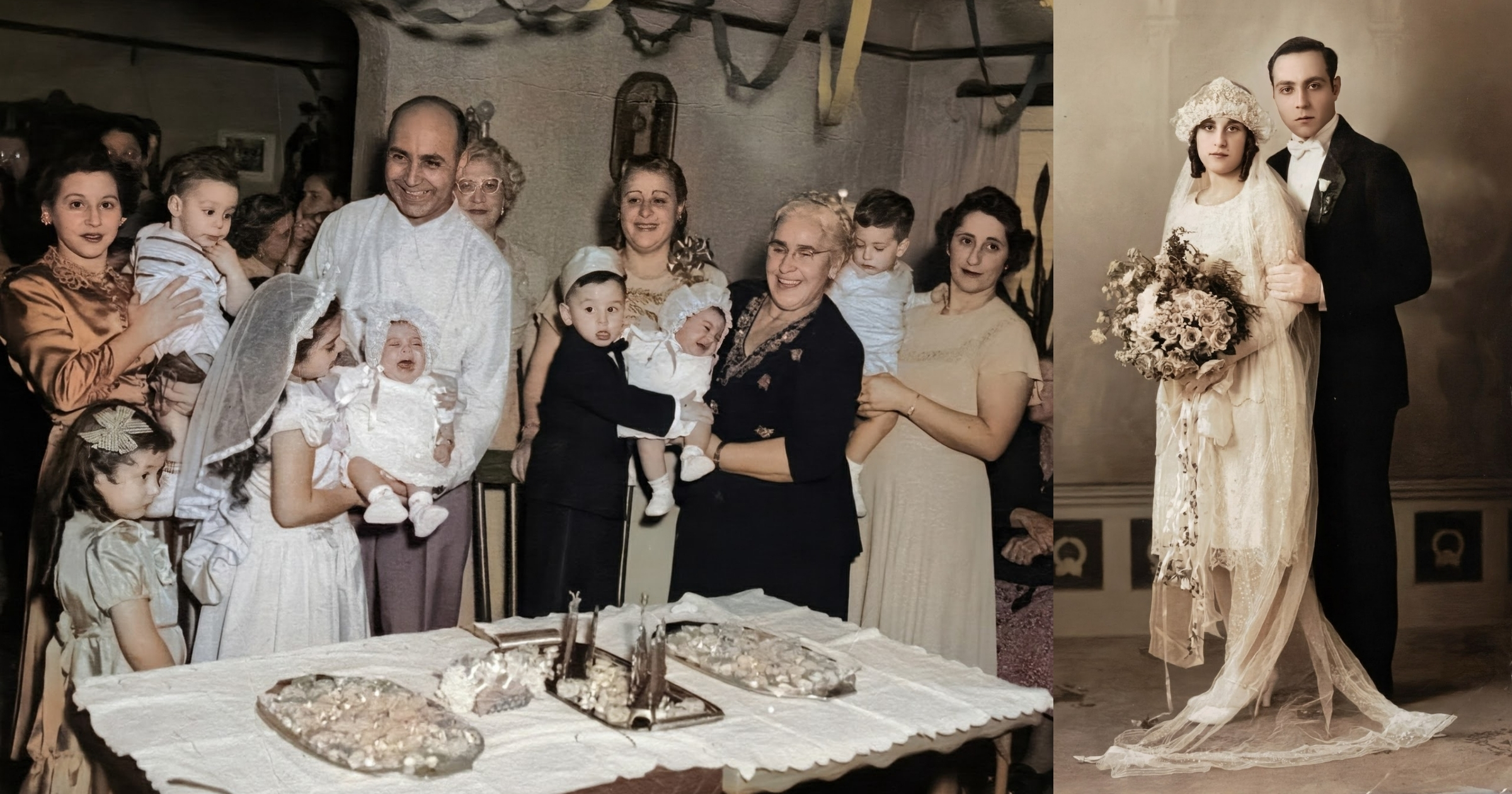
The primary connection her children and grandchildren have to Sephardic traditions is through food, Souriano-Vinikoor said. Some of their favorites are borekas, which are turnovers filled with cheese or vegetables such as potato, spinach and eggplant; yaprakes, stuffed grape leaves with marinated rice and meat filling; and kurabiye, a crumbly, shortbread-type cookie.
“For the chagim, we sing some of the songs in Ladino with Sephardic tunes,” she said. “Ocho Kandelikas” is a beloved song for Hanukkah, and “Ken Supiense i Entendiense,” Ladino for “Who Knows One,” is a mainstay at Passover.
For Tu B’Shevat, Souriano-Vinikoor prepares baskets filled with the seven species for her grandchildren as part of
the futikas, or “little fruits,” Sephardic celebration of the holiday, just as her grandmother did when she was a young girl.
Her own journey of self-discovery continues. In 2013, she took a year of academic-level Ladino at her alma mater and has continued learning the language in classes and informal salons.
“I have fond memories of my life, my background, what I’ve accomplished,” said Souriano-Vinikoor, who is a board member of the Seattle Sephardic Network. “And the Ladino classes, the Judaic, Sephardic classes that I’ve taken have evolved into a part of my life. It’s made me a complete person. It’s validated me. It’s amazing what I feel now, as opposed to what I didn’t feel growing up. I feel proud. I don’t feel inferior to anyone.”
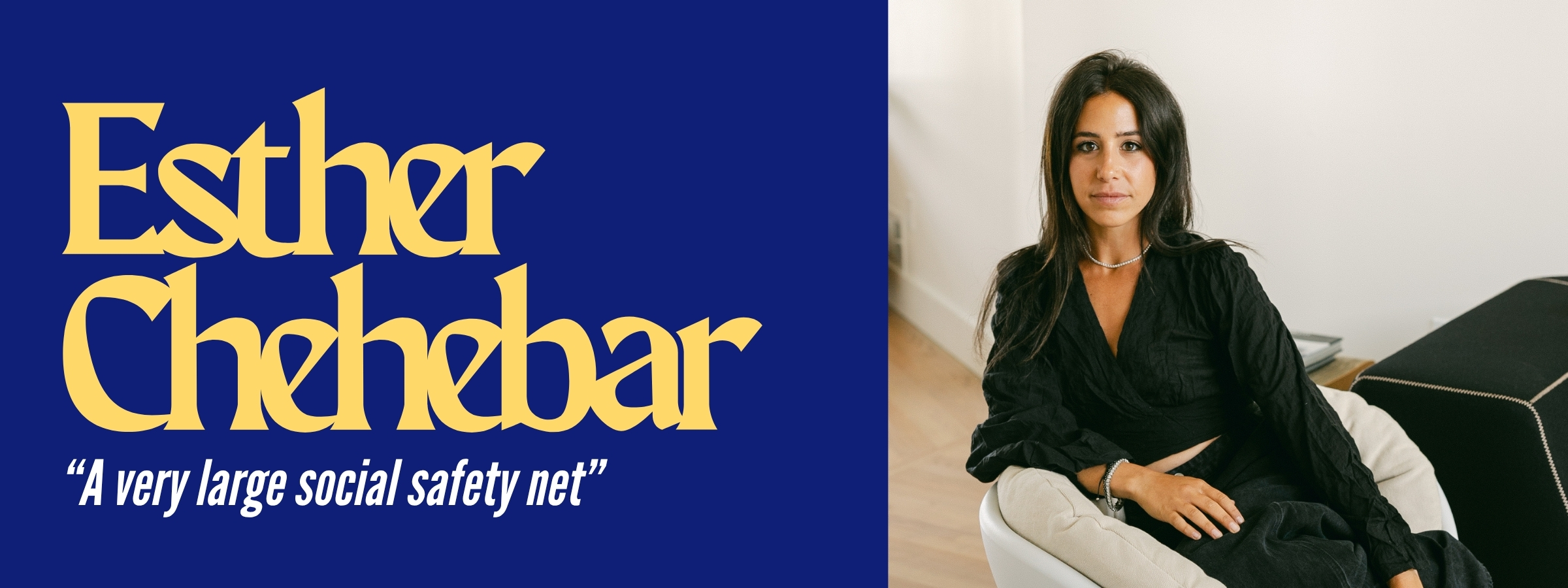
Esther Chehebar got married at 21—early for most American Jews, but right on target for her Syrian Jewish community in Brooklyn.
The 34-year-old, who has an undergraduate degree from New York University and a master’s from The New School, chronicled the customs of her community in Sisters of Fortune, a 2025 novel focused on three young Syrian Jewish siblings struggling with love, family and marriage in 2009-era Brooklyn.
Chehebar said the picture she drew is pretty true to life. Her main characters’ father works in textiles on the Lower East Side, as did the writer’s paternal grandfather, who arrived in the United States in 1960 and immediately settled into the growing Egyptian-Syrian Jewish neighborhood centered around Bay Parkway in Brooklyn. (Many Egyptian Jews originated in Syria, she explained, and share the same traditions.)
In those years, she said, there was a Sephardic yeshiva in the neighborhood, but many of the men, including her father, didn’t graduate high school.
“From the age of bar mitzvah, they went to work,” Chehebar said during an interview. “And the work they did was centered in wholesale and retail, because that’s sort of woven into the Sephardic DNA. They were merchants in Syria and Egypt as well.”
Life revolves around the family. Young women tend to live at home until they marry, and women rule the kitchen.
“The community always had a very large social safety net,” she said. “If there was talk of someone coming over, someone you knew, even distantly, immediately they would be embraced by whomever was already here. They’d be given apartments, they’d be given a helping hand in work, they’d be helped with their English.”
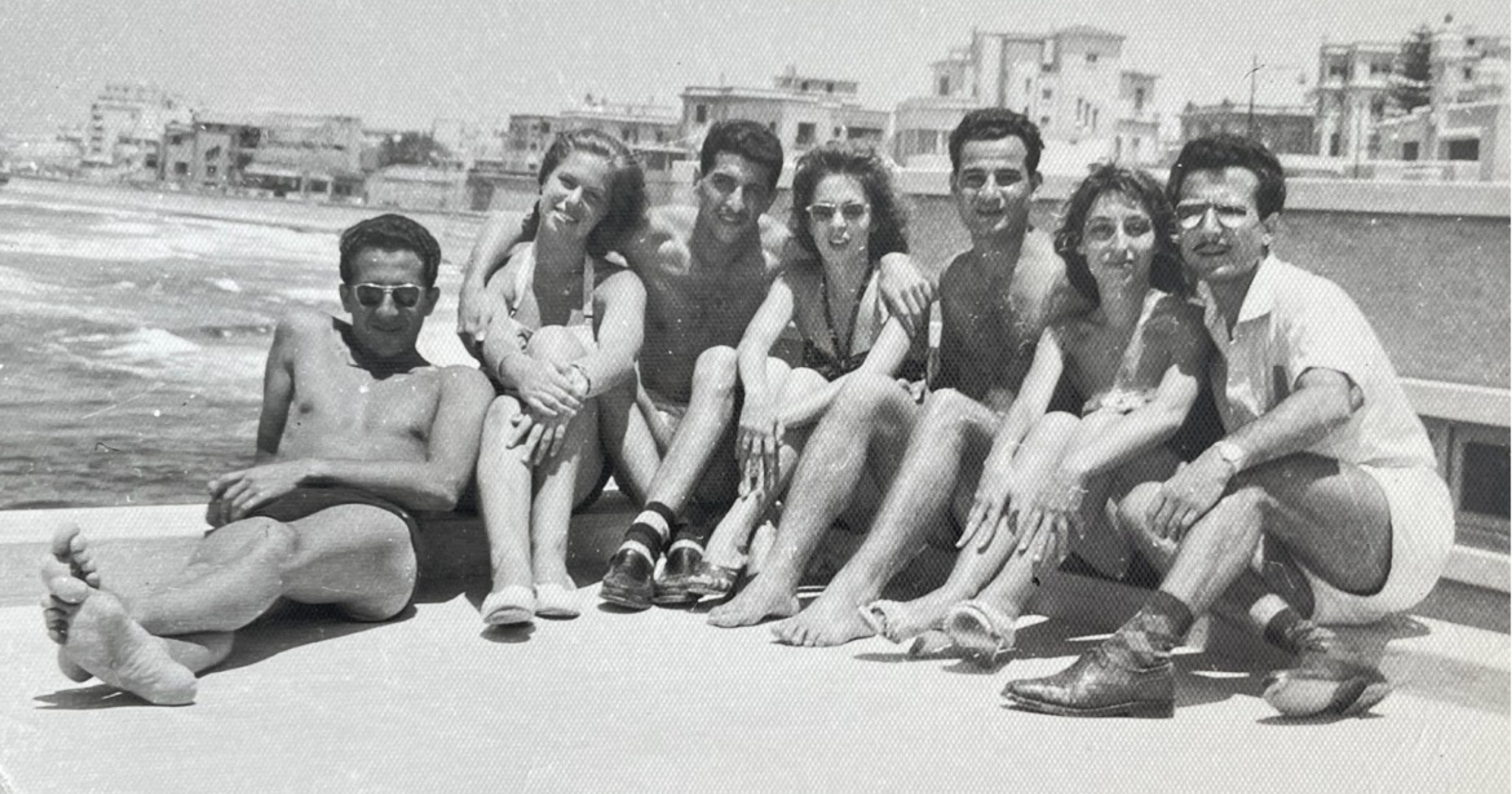
Another core value, Chehebar added, is the “desire to make sure that the children were going to enroll in the yeshiva, and they were going to stay close to home, and, you know, married each other.”
Still today, she said, “the preference is to marry Syrian.” Not everyone does. Chehebar’s husband is Egyptian, although his mother’s family is from Aleppo. But her sister is married to “an Ashkenazi boy from Florida—he’s great.”
Chehebar grew up with her grandparents in the same Brooklyn house where her mother had. “I was a pretty angsty teenager,” she recalled, yearning for adventure. “My entire life up until that point had revolved around my community. I had a wonderful childhood and lived within mere blocks of my cousins and the kids I went to school with. I attended a Sephardic yeshiva. My family traveled with the pack to community vacation destinations like Aruba and decamped to Deal, N.J., for the summers.”
When she married, she and her husband moved to Manhattan, a common practice among young Syrian couples who would spend a year or two there before “returning home” to Brooklyn. “It was widely understood that Brooklyn is where you raised a family,” she said.
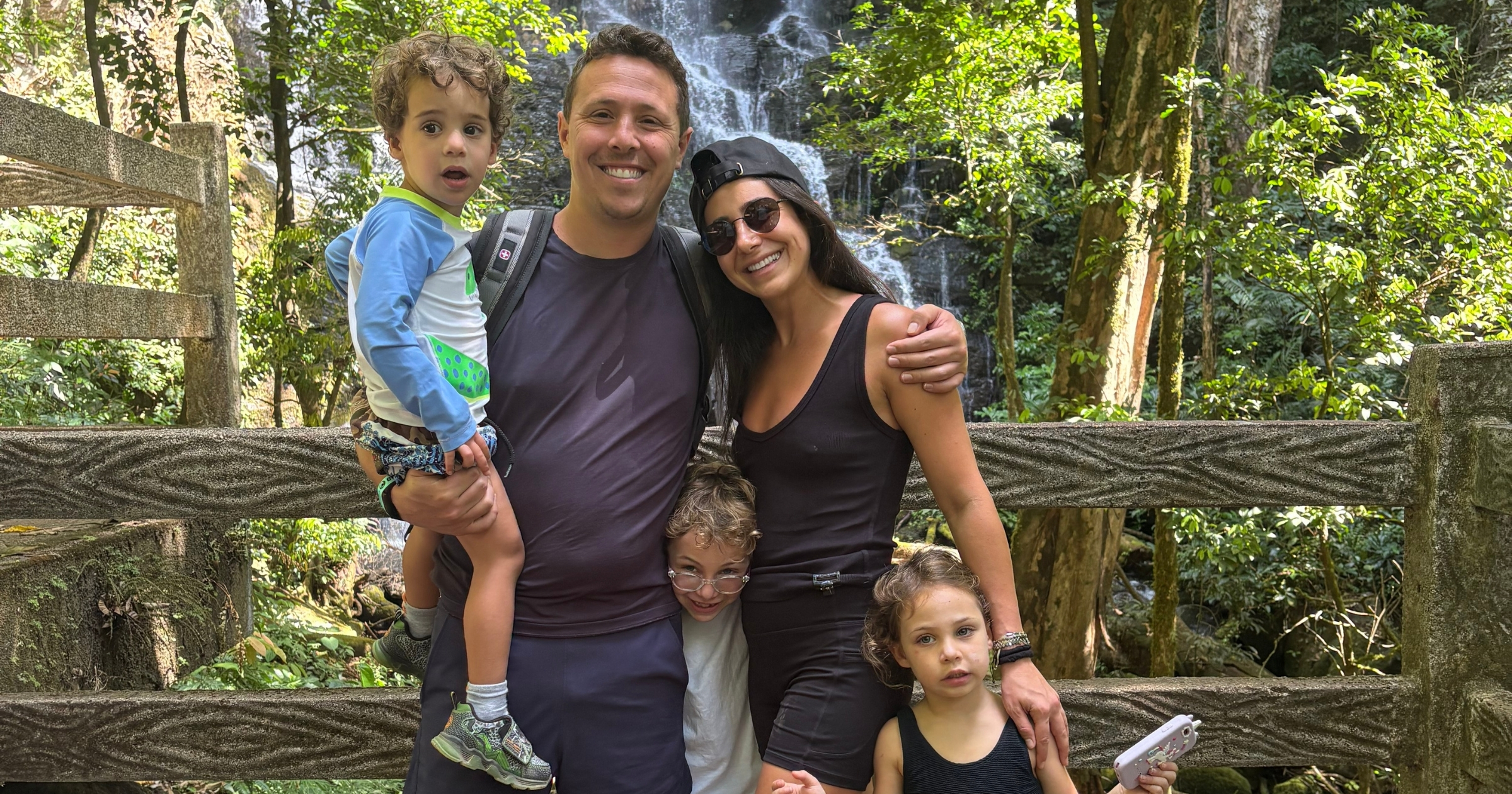
After 10 years, the couple did indeed move back to Brooklyn, where their third child was born.
Today, almost 50,000 Syrian Jews live in Brooklyn. It’s grown so overcrowded that two years ago, Chehebar, her husband and their children moved full-time to Deal, a beachfront town that has long had a Syrian Jewish community.
Chehebar’s parents eventually followed her to Deal. “When we first moved, it was like we were moving to Texas,” she said about the distance from Brooklyn. “Now they live nearby. They’re eating Shabbat by me. They come over all the time.”
Chehebar said she and her husband “never truly considered” living outside the community.
“I love how my kids are growing up with a deep sense of tradition,” she said, especially around food and Shabbat rituals. Chehebar’s children have learned Sephardic pizmonim in school—songs and melodies to praise God that they recite in synagogue on Shabbat with their father. And the family dining table regularly features Middle Eastern classics like kibbeh, which are stuffed meat tornadoes, and sambusak, mini calzone-like pastries. “There are so many things I appreciate about my heritage.”
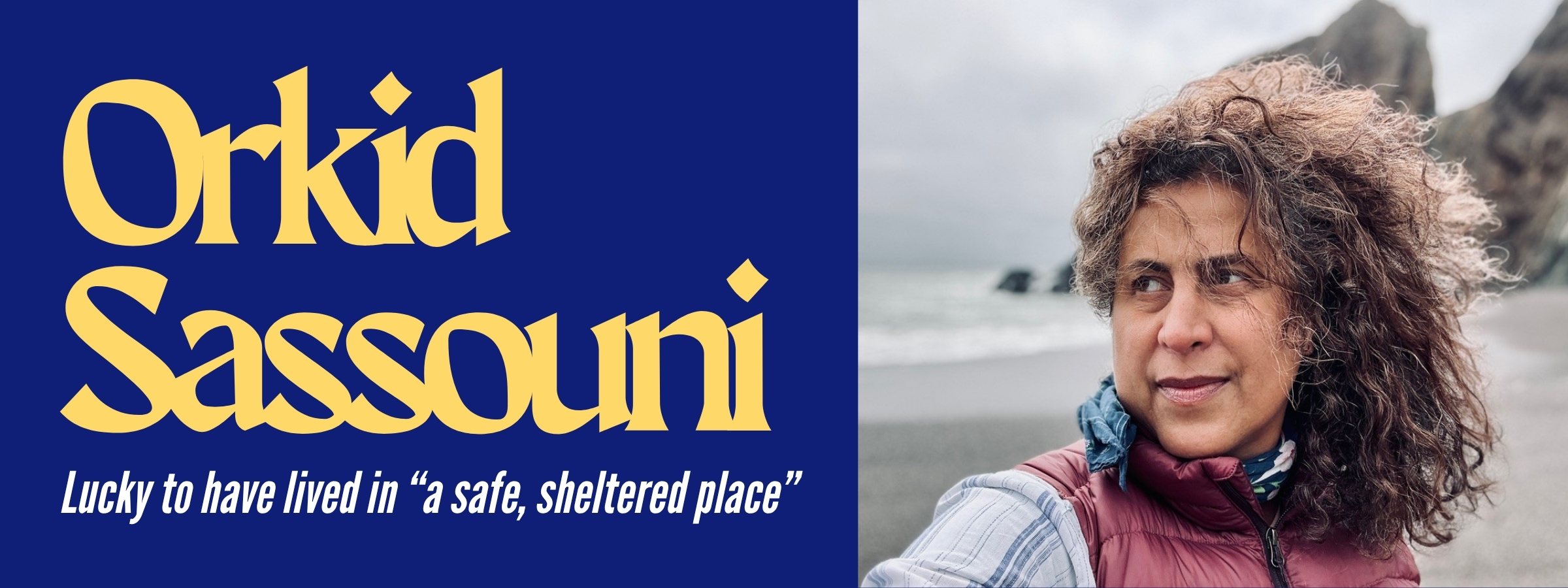
Orkid Sassouni’s family left Iran because her mother had a bad feeling. It was January 1979, and the Islamic Revolution was in full swing. On January 16, the Shah went into exile, and with moments to spare, 8-year-old Orkid, her two sisters and parents packed what they could and jumped on a plane to Spain. From there, they flew immediately to New York, where they had relatives.
It wasn’t bad for Jews before the revolution, said Sassouni, now 55 and living in San Francisco. Still, she said, “we were Jewish at home and hid our identity in the street.” There were about 100,000 Jews in Iran then; today, there are an estimated 8,000 to 15,000.
The family settled in Great Neck, a Long Island town with a large Jewish population. Sassouni was sent to public school, the first time she’d been to school at all. She had become deaf after an illness, and her mother hadn’t wanted her to attend the only school for the deaf in Iran since it was Muslim-run.
So there she was, in New York, with no English, depending on books and whatever teachers wrote on the blackboard. There was no help for deaf students at the time, she recalled. “I failed a lot of classes,” Sassouni said through the American Sign Language interpreter who was taking part in the Zoom interview.
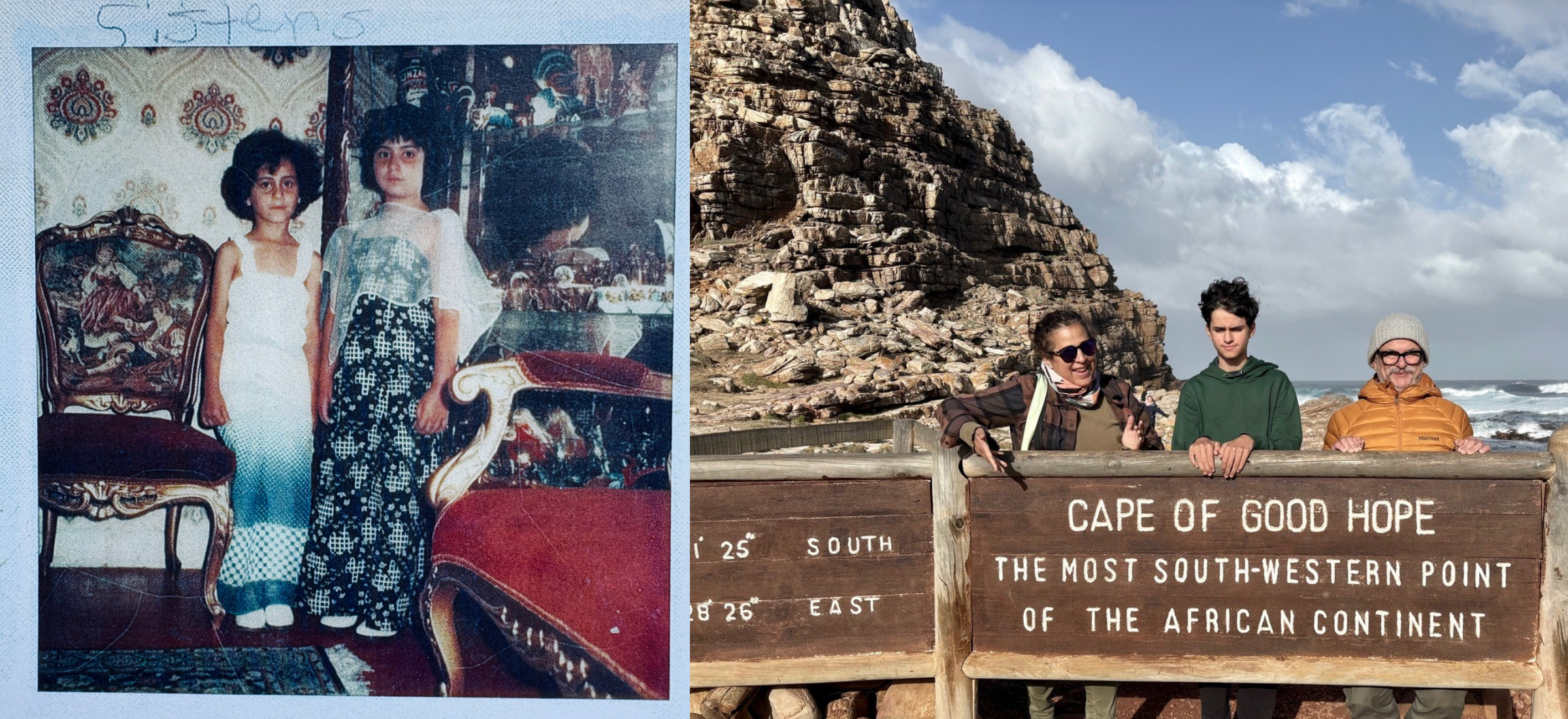
Living in Great Neck was the first time Sassouni resided in a heavily Jewish neighborhood. About half the Jews were Ashkenazi, and half were Iranian. “We had our own synagogue,” she said. “The Ashkenazim didn’t agree with how we practiced Judaism.”
Of course, the food at home was Persian. “Over time,” she said, “we got used to lox and bialys, but we always balanced it out with the Persian food—feta, Persian bread, gormeh sabzi [an herb-rich stew].”
Sassouni caused quite a stir when she insisted on going away to college, to Gallaudet University in Washington, D.C., the nation’s premier university for the deaf. “Single Persian girls didn’t leave home,” she said. “I was the first in my family and the community.”
In college, she encountered a proud deaf community for the first time. “I had a split identity,” she said. “My deaf self, learning American Sign Language and being accepted for who I was, and my Persian girl identity when I’d fly home for holidays.”
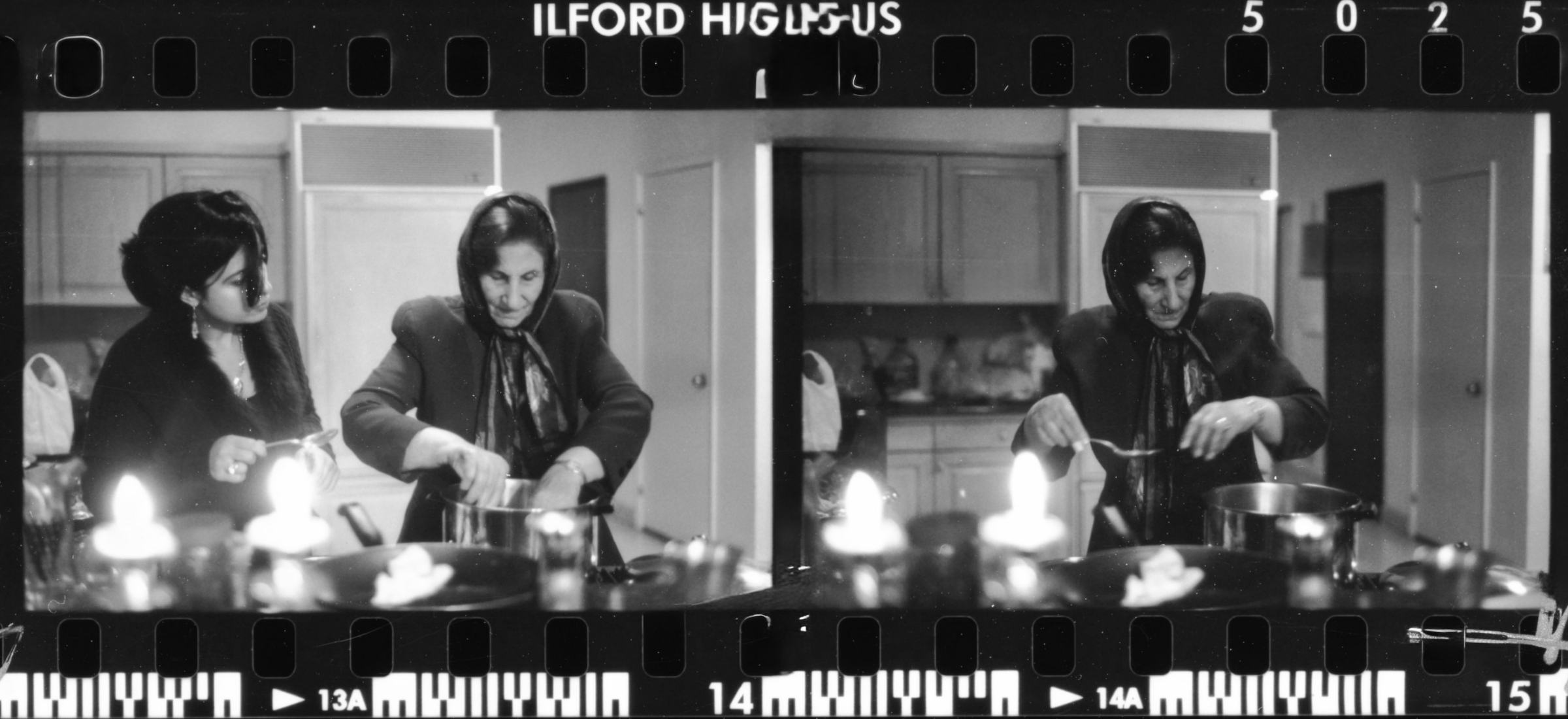
Sassouni majored in art history and museum studies at Gallaudet and later earned a second undergraduate degree from Parsons School of Design. She became a documentary photographer, focusing on the deaf community. For the last 20 years, she has worked at the San Francisco Public Library, most of that time in deaf services.
Sassouni’s husband is not Jewish, but the couple is raising their son Jewishly. Now 15, he had a bar mitzvah and is looking forward to his final summer at Jewish camp.
“I’m proud of being Persian/Iranian-American, and also of being a deaf woman who had to overcome many hurdles,” she said. “Looking back to how I grew up, I feel lucky to have lived in a safe, sheltered place where we were free to do anything we wanted. Not like Iran.”
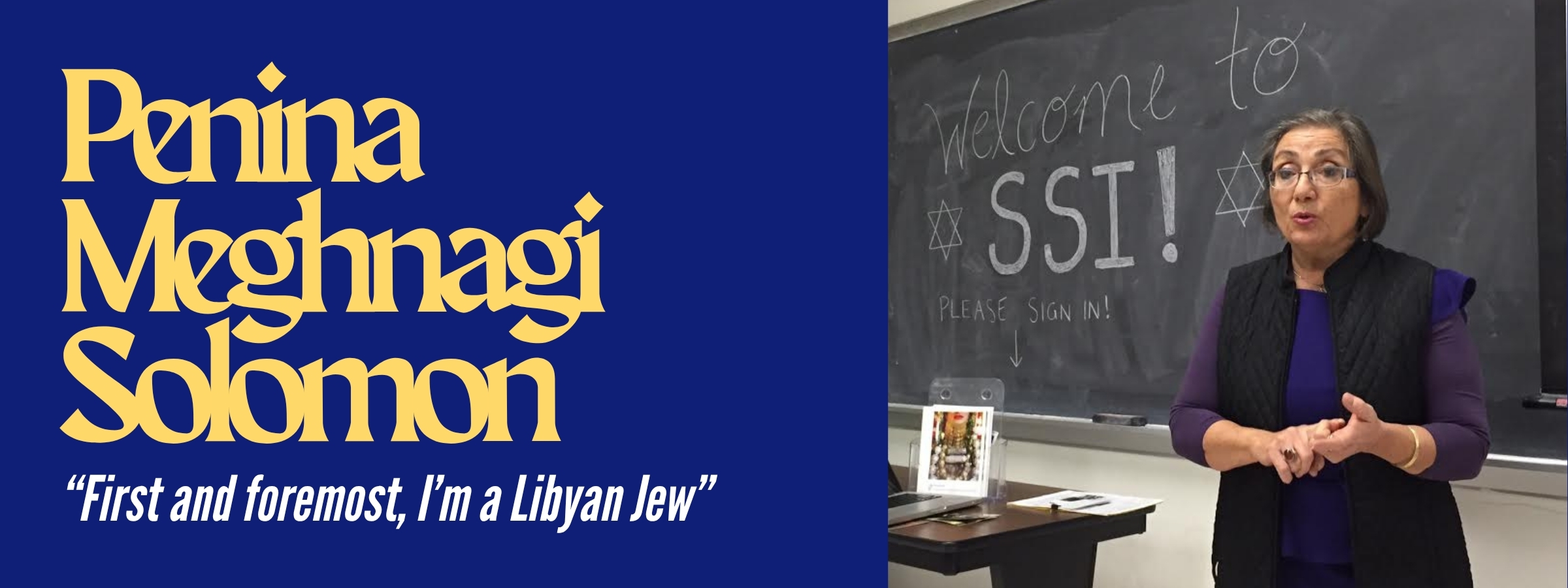
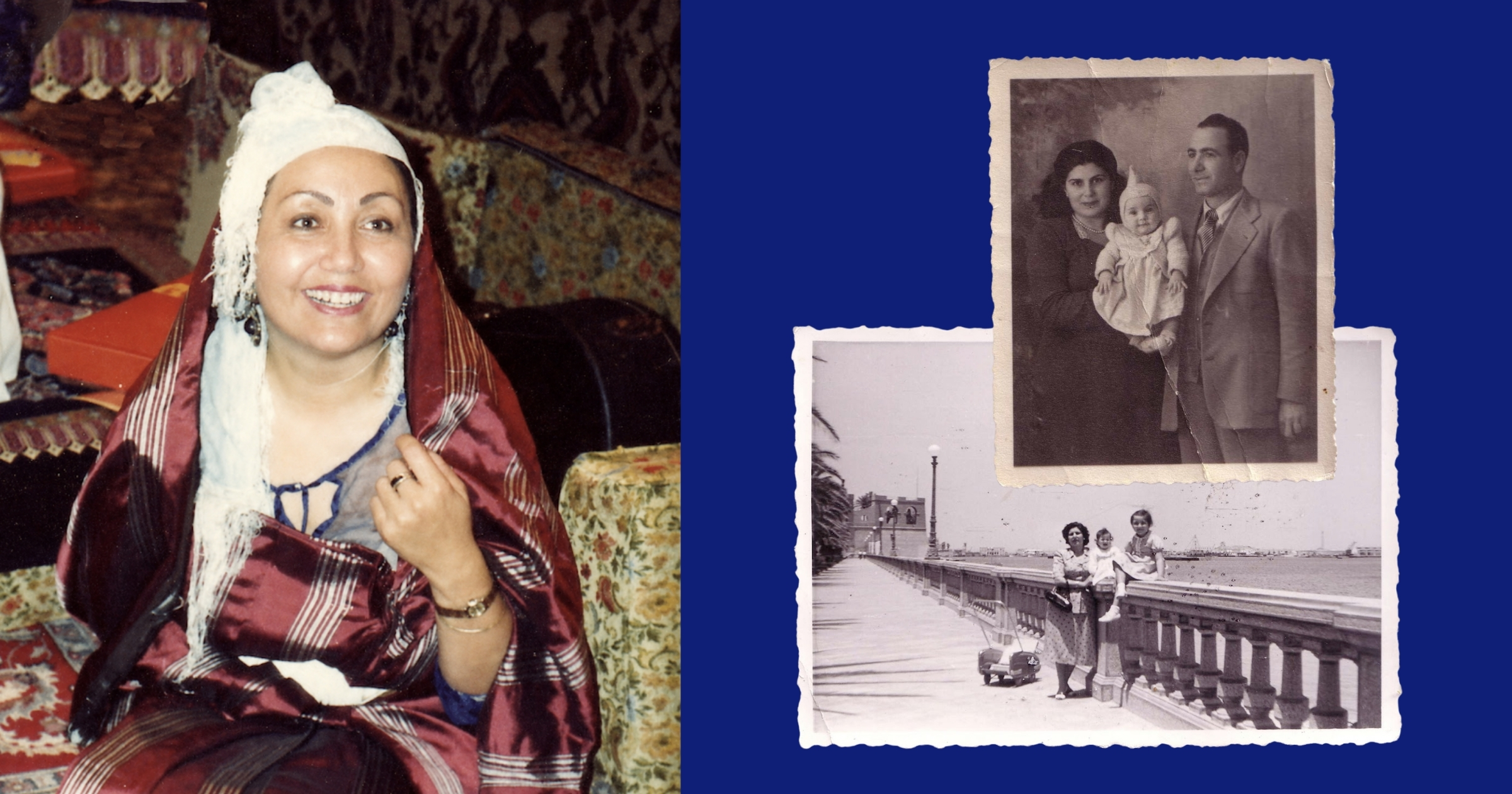
Penina Meghnagi Solomon was born in 1949 in Tripoli, Libya, which then had about 40,000 Jews. In the years following her birth, more than 30,000 of them immigrated to Israel. Libyan Jews were one of the few Jewish communities from Muslim-majority countries to suffer during the Holocaust, when many were sent to local concentration camps. Solomon’s uncle died in one.
Her family was well-off. Her father worked in reclaiming and exporting metals, while her mother, with hired help, took care of their four children. They spoke Italian, a legacy of Italy’s colonization of the country in 1911, and they incorporated Italian dishes into their Arabic cuisine at home. “We had Sephardic North African—the couscous, the meatballs, the chraime [spicy fish-tomato stew]—and we had the lasagna and the pasta and the cannoli,” she said, laughing, during an interview.
But in June 1967, following Israel’s victory in the Six-Day War, Libya joined other Arab countries in kicking out its Jews. Most of the remaining 7,000 Libyan Jews were airlifted into Italy by the Italian Navy, forced to leave everything they owned behind. Solomon’s family was among them.
In Italy, Jewish organizations housed the refugees in camps. “It was nice. They had showers, they brought us kosher food, and it was good because we were young,” she recalled. But “I don’t think it was good for my mother or the other adults.”
The family stayed in Italy until 1970 and then followed most of the other refugees to Israel. She was already 21 “and very Zionistic,” she said, so she struck out on her own and went to a kibbutz, where she met her husband, who was from Southern California. In 1973, they moved with their newborn son to Los Angeles, where she has lived ever since.
“Shock!” Solomon said of her first reaction to the United States. “America is a bigger-than-life place. Everything is humongous, big streets, big freeway, big everything.”
The hardest thing for her was when Jews would ask whether she “spoke Jewish,” meaning Yiddish. She had learned about Ashkenazim on the kibbutz, where she also encountered Yiddish. “But I didn’t speak it,” she said. “I speak six languages, thank God, but not Yiddish.” Solomon is fluent in Italian, Arabic, Hebrew, English, French and Spanish.
She and her husband settled in an observant Jewish neighborhood, with kosher stores and Orthodox synagogues. They sent their three sons to day school—Ashkenazi, as there was no Sephardic one at the time.
For the past 20 years, Solomon has worked as an administrative assistant at Kahal Joseph, a Modern Orthodox congregation in downtown Los Angeles. She is very active in Sephardic circles. For Purim, she said she prepares “all the Sephardic sweets you want, and my friends wait for Purim so I can give them.” She also teaches cooking classes. “I tell the girls, remember that when our mothers and grandmothers were cooking, it was a whole family event. This one peels, this one chops. I tell them, today, we have shortcuts.”
Solomon has been in America for more than 50 years, but she said her heart is still in North Africa. She teaches adult education workshops in Sephardic culture and sings in a Ladino choir.
“First and foremost,” she said, “I’m a Libyan Jew. And I’m a very proud Sephardic Jew. I feel that it’s very rich. We’re like the spices, you know? There’s so much closeness. You hug, you kiss. When someone comes to your house, if you’re Sephardic, it’s ‘Come on in, have a coffee and biscotito,’ ” she said, using the Italian word for ka’ak, a typical Sephardic ringlet-shaped cookie that could be savory or sweet.
Jewish families leaving Libya in 1967 were allowed only one suitcase, but that didn’t destroy their spirit, Solomon said. “We couldn’t take our belongings, but we took the music, we took the food, the customs,” she said. “You don’t need a box to put it in. You just take it with you. That’s our wealth.”
Sue Fishkoff is a former editor of J. The Jewish News of Northern California and the author of The Rebbe’s Army: Inside the World of Chabad-Lubavitch and Kosher Nation: Why More and More of America’s Food Answers to a Higher Authority.
 Facebook
 Instagram
 Twitter
Leave a Reply